On May 16 1944, Romani families in Auschwitz-Birkenau armed themselves with stones, tools, and sheer collective will, forcing the SS to retreat – leaving a legacy of defiance that speaks directly to the fascisms of today, says VICTORIA HOLMES
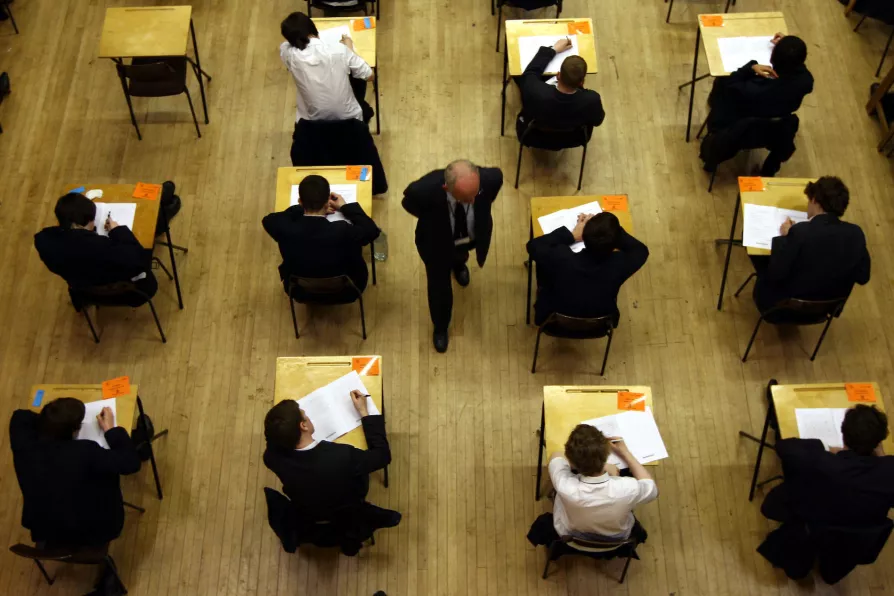
The government’s case for abolishing most jury trials doesn’t stand up to scrutiny, argues KIM JOHNSON MP – and it must be stopped before it does lasting damage to democracy
Former Labour MP LAURA SMITH makes the case for The Many slate in the elections to Your Party’s new executive
A past confrontation permanently shaped the methods the state will use to protect employers against any claims by their employees, writes MATT WRACK, but unions are readying to face the challenge
MEIC BIRTWISTLE offers an appreciation of the renaissance man GARETH MILES
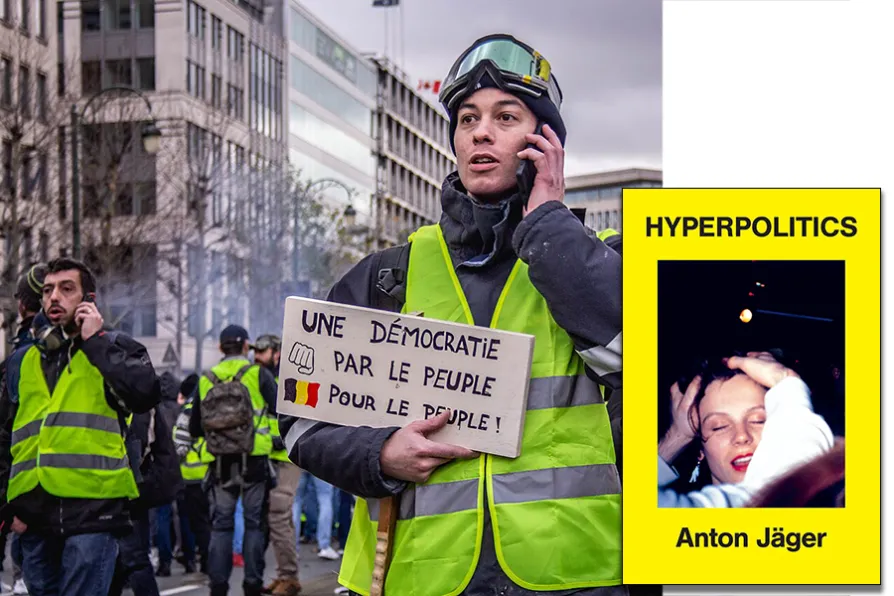
JAN WOOLF ponders the works and contested reputation of the West German sculptor and provocateur, who believed that everybody is potentially an artist
SHARON GRAHAM reflects on the lessons of Murdoch’s confrontation with print workers – and argues that, in an age of AI, automation and net zero, only early organisation, collective power and planning can stop history repeating itself
VIJAY PRASHAD details how US support for Syrian President Ahmad al-Sharaa allowed him to break the resistance of the autonomous Syrian Democratic Forces (SDF)
Trump’s ‘Peace Council’ is not a peace project, but a war and colonial council that renews Western colonialism, writes SEVIM DAGDELEN
JOHN LANG recalls how Murdoch used scabbing electricians and even devised a fake newspaper to force a confrontation with printers – then sacked them all
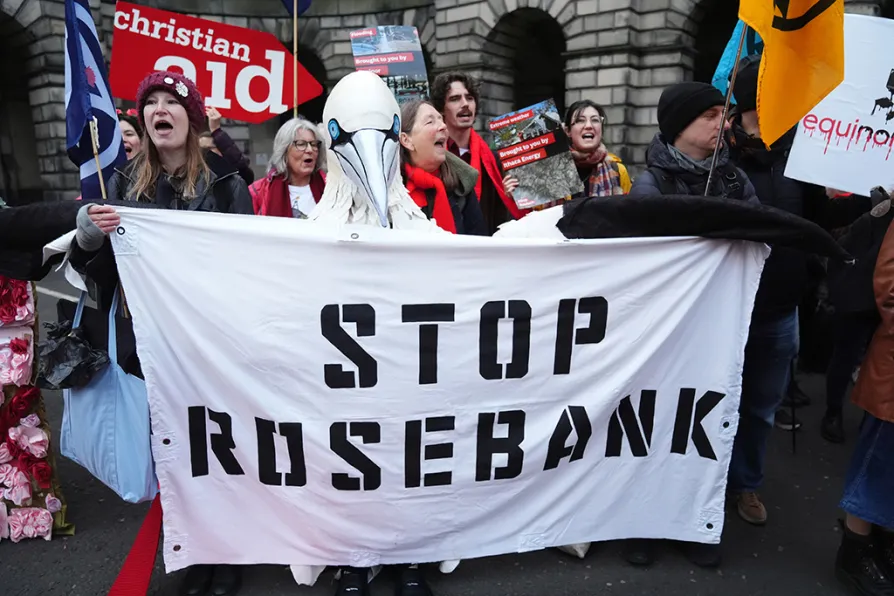
Lawyers to challenge approval of data centre in Britain that ‘pollutes on the scale of an international airport’
The US attack on Venezuela raises grave threats to Cuba and the region, writes NATASHA HICKMAN of Cuba Solidarity Campaign
The newly catalogued News International Dispute Archive ensures the history of the Wapping dispute – and the solidarity it inspired – is preserved, accessible and alive for future generations, says MATT DUNNE
Forty years on, TONY DUBBINS revisits the Wapping dispute to argue that Murdoch’s real aim was union-busting – enabled by Thatcherite laws, police violence, compliant unions and a complicit media
Claims that digital media has rendered press power obsolete are a dangerous myth, argues DES FREEDMAN
Trump’s vision of ‘might is right’ signals the collapse of the postwar order — and a warning of who may be next, warns BOB ORAM
JULIA THOMAS unpicks the mental processes that explain why book-to-film adaptations so often disappoint
The once beating heart of British journalism was undone by technological change, union battles and Murdoch’s 1986 Wapping coup – leaving London the only major capital without a press club, says TIM GOPSILL
LAURA DAVISON traces how Murdoch’s mass sackings, political deals and legal loopholes shattered collective bargaining 40 years ago – and how persistent NUJ organising, landmark court victories and new employment rights legislation are finally challenging that legacy
As advertising drains away, newsrooms shrink and local papers disappear, MIKE WAYNE argues that the market model for news is broken – and that public-interest alternatives, rooted in democratic accountability, are more necessary than ever
LOUISA BULL traces how derecognition, outsourcing and digitalisation reshaped the industry, weakened collective bargaining and created today’s precarious media workforce
A handful of journalists at The Times faced a stark personal and political choice in 1986 – cross the picket lines for cash and career, or stand with organised labour at great personal risk. BARRIE CLEMENT recalls why refusing to scab at Wapping was not just an act of union loyalty, but a stand for the future of journalism
Four decades on, the Wapping dispute stands as both a heroic act of resistance and a decisive moment in the long campaign to break trade union power. Lord JOHN HENDY KC looks back on the events of 1986
Enduring myths blame print unions for their own destruction – but TONY BURKE argues that the Wapping dispute was a calculated assault by Murdoch on organised labour, which reshaped Britain’s media landscape and casts a long shadow over trade union rights today
On the 40th anniversary of the Wapping dispute, this Morning Star special supplement traces the long-planned conspiracy that led to the mass sackings of printworkers in 1986 – a struggle whose unresolved injustices still demand redress today, writes ANN FIELD
Trump threatens war and punitive tariffs to recapture Iranian resources – just as in 1953, when the CIA overthrew Mossadegh and US corporations immediately seized 40% of the oil, says SEVIM DAGDELEN
BRENT CUTLER welcomes a valuable contribution to discussions around the need to de-carbonise energy production
STEVE ANDREW is intrigued by a timely and well-researched book that demonstrates the conflicted history of the central Asian country
Once derided by Farage as a ‘fraud,’ Jenrick has defected to Reform, bringing experience and political ruthlessness to the populist right — and raising the unsettling prospect of a Farage-led movement with a seasoned operative pulling the strings, says ANDREW MURRAY
Forward’s rise as the tournament’s leading scorer reflects a journey shaped by heritage and belief as Morocco reach the final, writes JAMES NALTON
JOHN GREEN’s palate is tickled by useful information leavened by amusing and unusual anecdotes, incidental gossip and scare stories
MOHAMMAD OMIDVAR, a senior figure in the Tudeh Party of Iran, tells the Morning Star that mass protests are rooted in poverty, corruption and neoliberal rule and warns against monarchist revival and US-engineered regime change
It is time to stop tolerating the governing elites incompetence which makes our lives a daily misery, argues MATT KERR