ROB WARZYNIAK wades knee deep through a pile of ‘dead canaries’ of Trumpist policies which exacerbated the horrors of US capitalism domestically


 Latest editorial

Wapping at 40: how Murdoch planned and executed the sacking of a union workforce
On the 40th anniversary of the Wapping dispute, this Morning Star special supplement traces the long-planned conspiracy that led to the mass sackings of printworkers in 1986 – a struggle whose unresolved injustices still demand redress today, writes ANN FIELD
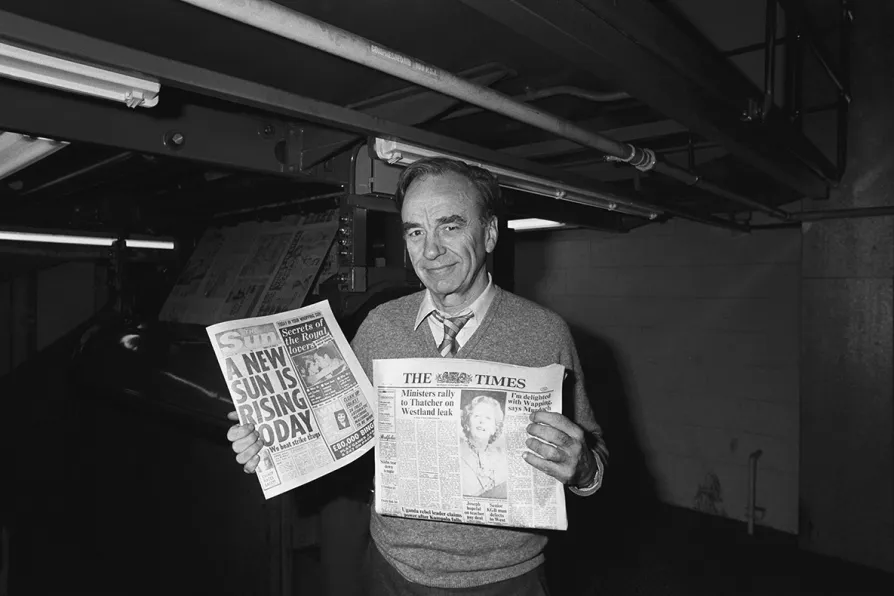 Newspaper proprietor Rupert Murdoch holds copies of The Sun and Times papers, at his new high technology print works in Wapping, East London, January 26, 1986

Without evidence or Nato consultations Berlin’s answer to the Leipzig incident is a rupture of relations. SEVIM DAGDELEN examines why
FRANCISCO DOMINGUEZ introduces the background to a conference on defending Latin America’s sovereignty
The glacier collapse in Nepal is yet another warning that a warming planet is making Himalayan disasters more frequent and destructive – but the countries facing the greatest risks are often those least responsible, says LI YANG
Nick Blair is set to benefit from a hugely lucrative contract to ‘virtually’ train the British army for its next war. Like father, like son, writes SOLOMON HUGHES
Even when tragedy strikes, Western media cannot resist the opportunity to turn it into a sordid propaganda opportunity, as the Nepal-China border tragedy shows, writes CARLOS MARTINEZ
Trade unions should be at the heart of the anti-racist push for reparations for the historic legacy and continuing impact of slavery, writes ROGER McKENZIE





FOR the 40th anniversary of the dispute this Morning Star special supplement honours the brave struggle of all the workers sacked by a vicious multinational.
A conspiracy to get rid of the trade union workforce took several years in planning and execution and led directly to the strike. The stages of the conspiracy are recorded here in a timeline of the history of the dispute.
Strikers, supporters, journalists, legal advisers and academics give their account of what took place before, during and after the strike which began on January 24 1986, and ended on February 5 1987.
Over several years negotiations had taken place intermittently with the owner of The Sun and the News of the World for a move to Wapping of the printing and warehouse/distribution stages of production of the two newspapers.
During 1985, shortly after the end of the miners’ strike, the company halted negotiations. It announced a few months later the only subject for talks would be new conditions for the fictitious London Post.
Less than a year from the calamitous outcome of the miners’ strike to defend their industry, printworkers were sacked within 30 minutes of beginning their own strike for survival in January 1986.
During 1986 elements of the conspiracy were revealed. Accusations of preparing and training a pirate, scab workforce levelled against the company proved to be true. Eleven days after the dismissals the Morning Star published a leaked letter to the company from its lawyers, Farrer’s.
It reiterated the advice of how to dismiss an entire workforce by provoking a strike. A few months later, revealed in the court cases brought by the company in an attempt to prevent the unions from pursuing the dispute, was the establishment a year earlier of “shadow” companies formed for each main component of production and distribution.
This was done to render illegal any industrial action or picketing as the workers were dismissed by their original employer not by the “shadow” companies.
These and other steps in Murdoch’s plan were also exposed by Linda Melvern, a former member of the Sunday Times Insight team. The book was published in November 1986.
In the threatening atmosphere of the 1980s, trade unions and trade union members were vilified at every turn and blamed for all society’s ills. Murdoch’s News International, printer and publisher of The Times, Sunday Times, The Sun and News of the World was cheered on.
Its ruthless example was followed by P&O Ferries and subsequently countless other companies and employers exploiting the absence of effective legal protection of the rights of workers to defend themselves.
The inability to use trade union strength to enforce rights has corroded working life for millions of people. Progress towards better social and working conditions and rights for the working class has been slammed into reverse by the nation-changing onslaught of capitalists, employers, landlords, the government and the law.
Editorial excess, now reflected and magnified on an unimaginable scale in social and digital media, allows manipulation of truth and outright lies in the absence of redress, right of reply or union protest action.
The brazenly hypocritical claim by Murdoch that getting rid of the unions and union members would result in more and diverse publications was parroted by other publishers and media commentators. There are now fewer newspapers and more concentrated monopoly ownership of print and digital media.
Much has been written about the Wapping dispute, mostly from the point of view of the employers, blaming the print unions and their members for their own demise, new technology, excessive pay, overmanning.
The Workers Story of the dispute, starting with the 25th anniversary events, sought to dispel the myths. In this Morning Star 40th anniversary commemoration the causes and conduct of the dispute are examined; the anti-union laws, the role of the police, the state of the media then and now, the need for renewal of trade union mobilisation, measures for media democracy, ownership and the right of reply.
The just demands of the sacked workers for reinstatement of jobs and trade union rights remain unfulfilled but standing to be taken up by a new generation of determined trade unionists.
Ann Field is a retired national officer of Unite GPMU sector.

Similar stories
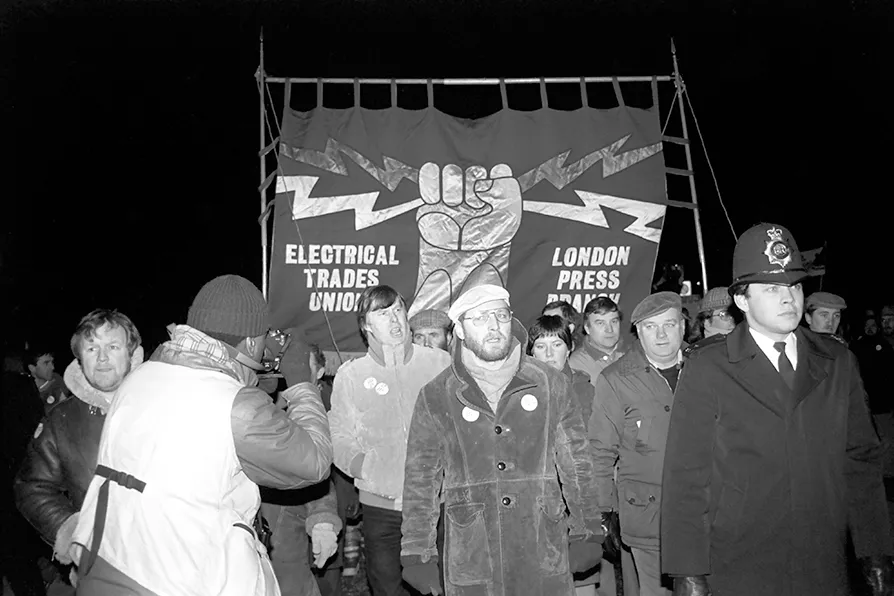
A past confrontation permanently shaped the methods the state will use to protect employers against any claims by their employees, writes MATT WRACK, but unions are readying to face the challenge
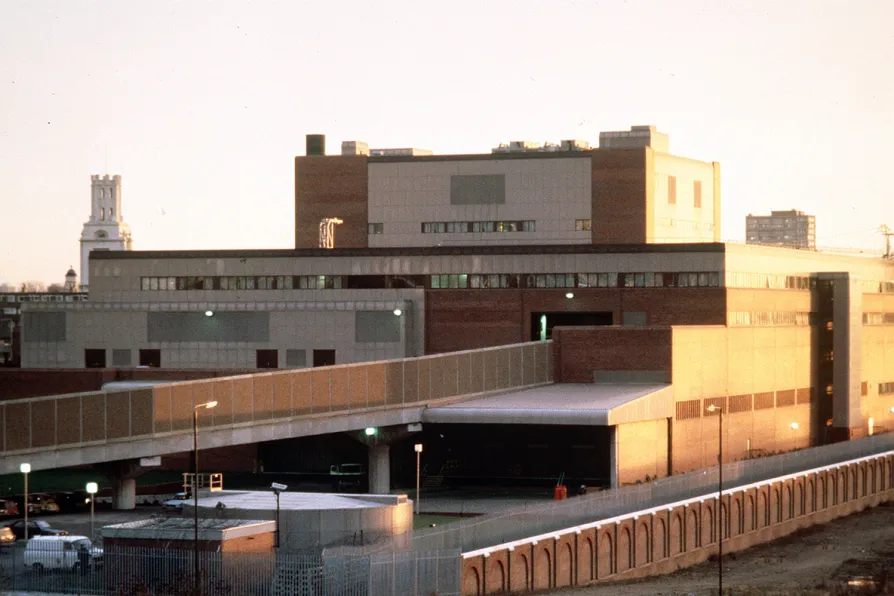
Forty years on, TONY DUBBINS revisits the Wapping dispute to argue that Murdoch’s real aim was union-busting – enabled by Thatcherite laws, police violence, compliant unions and a complicit media
![[Pic: Andrew Wiard]](https://msd11.gn.apc.org/sites/default/files/styles/desktop/public/2026-01/19860503_a_wiard_0003.jpg.webp?itok=mR5zV0nE)
The once beating heart of British journalism was undone by technological change, union battles and Murdoch’s 1986 Wapping coup – leaving London the only major capital without a press club, says TIM GOPSILL
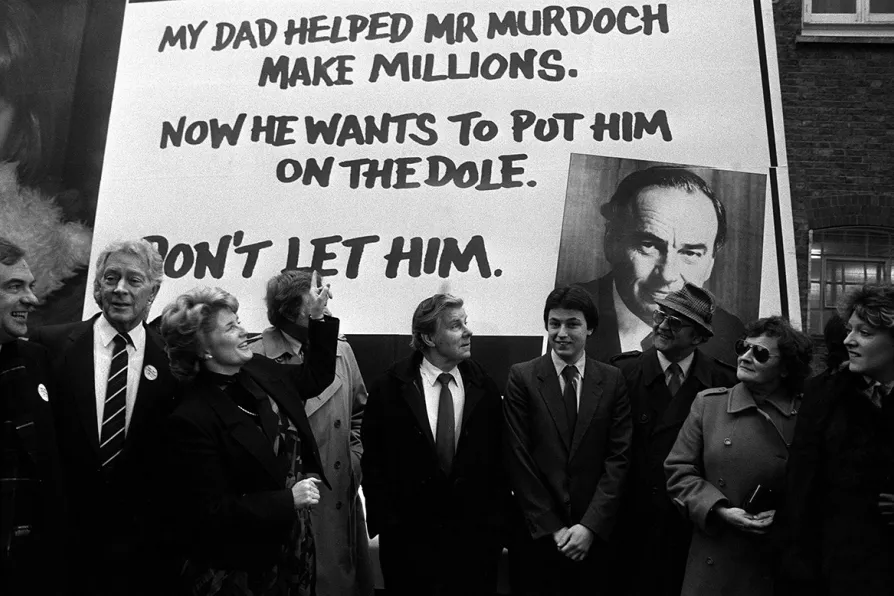
Enduring myths blame print unions for their own destruction – but TONY BURKE argues that the Wapping dispute was a calculated assault by Murdoch on organised labour, which reshaped Britain’s media landscape and casts a long shadow over trade union rights today