ROB WARZYNIAK wades knee deep through a pile of ‘dead canaries’ of Trumpist policies which exacerbated the horrors of US capitalism domestically


 Latest editorial

Wapping dispute still shapes the fight for workers today
A past confrontation permanently shaped the methods the state will use to protect employers against any claims by their employees, writes MATT WRACK, but unions are readying to face the challenge
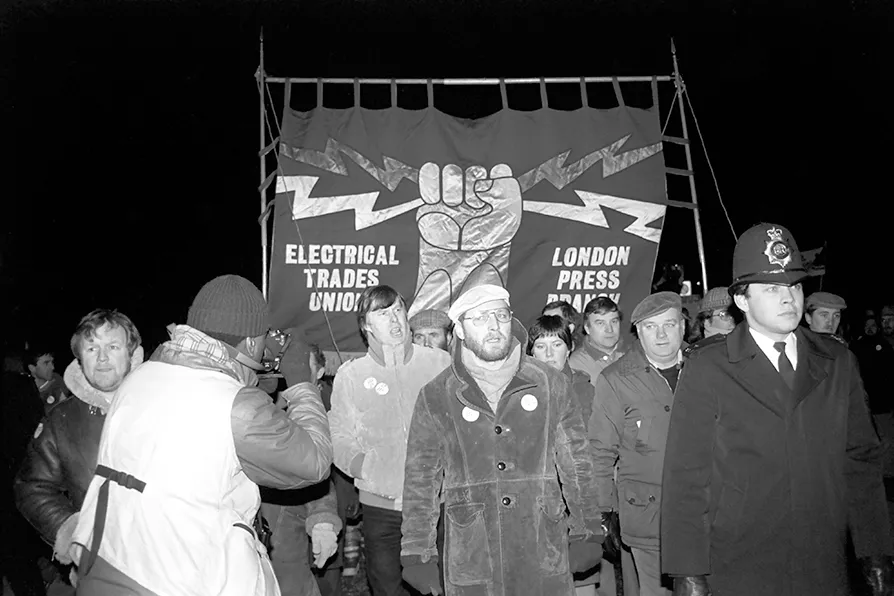 WORKING CLASS SOLIDARITY: Pickets mass outside the Rupert Murdoch's new News International printing plant in support of the print unions on February 22 1986

Without evidence or Nato consultations Berlin’s answer to the Leipzig incident is a rupture of relations. SEVIM DAGDELEN examines why
FRANCISCO DOMINGUEZ introduces the background to a conference on defending Latin America’s sovereignty
The glacier collapse in Nepal is yet another warning that a warming planet is making Himalayan disasters more frequent and destructive – but the countries facing the greatest risks are often those least responsible, says LI YANG
Nick Blair is set to benefit from a hugely lucrative contract to ‘virtually’ train the British army for its next war. Like father, like son, writes SOLOMON HUGHES
Even when tragedy strikes, Western media cannot resist the opportunity to turn it into a sordid propaganda opportunity, as the Nepal-China border tragedy shows, writes CARLOS MARTINEZ
Trade unions should be at the heart of the anti-racist push for reparations for the historic legacy and continuing impact of slavery, writes ROGER McKENZIE





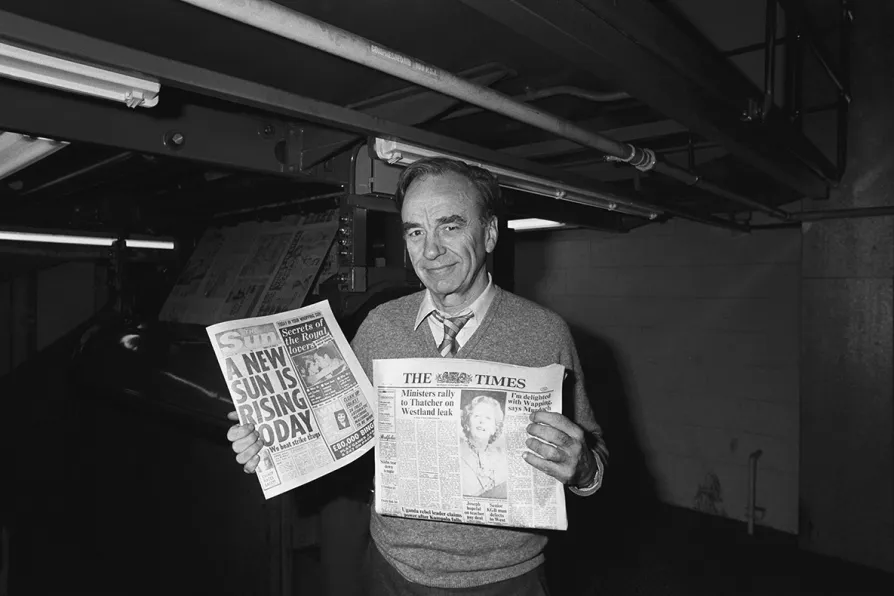
FORTY years ago on a cold January night in 1986 as many as 6,000 print workers stood outside Rupert Murdoch’s new printing plant in Wapping in east London.
They were met not with negotiators from News International but lines of riot police, horseback charges and a media narrative painting them as rioters rather than workers trying to protect their jobs.
The story was replayed most evenings for more than a year. Along with many locals, as a resident of east London I was there regularly, supporting the pickets; we saw first-hand the huge scale of the resources thrown at the dispute by the Metropolitan Police and by Murdoch himself.
The dispute at Wapping was never about new technology replacing so-called outdated working practices, but a confrontation designed to break trade union influence and shift power from workers to employers.
Murdoch used it with backing from the Thatcher government as a way to break the collective strength of a skilled, organised and well-paid workforce. Overnight, thousands of workers were dismissed, locked out, and replaced.
Tory ministers — supported by much of the media — framed the conflict as a battle against union power and the full levers of the state were used against the print workers.
Policing by the Met built on tactics developed during the Miners’ Strike, particularly the brutality seen at the Orgreave Coking Works in South Yorkshire.
Thousands of officers were deployed every evening to control and ultimately break the striking workers. Baton charges, mass arrests, and the creation of exclusion zones showed the refinement of militarised policing in industrial disputes and protests which are still felt today.
Special Branch and MI5 monitored union activists by bugging phones and spying on working people.
It followed the attack on the National Union of Mineworkers which was a powerful and organised trade union that was deeply rooted in working-class communities.
In its eyes, having defeated the NUM and the miners, the Thatcher government and its allies wanted to take on the print unions and send a message that the state would always stand up to unions seeking to resist.
The consequences of these disputes and others that followed were profound for trade unions with a long-term decline in union membership in the private sector.
National collective bargaining structures were dismantled in many sectors, leaving workers negotiating from a position of weakness. Pay stagnated and job security eroded with the rise of precarious work with little rights and benefits.
Employers acted with impunity, confident that the law and the state would back them.
Throughout the 1980s, anti‑union laws restricted secondary action, limited picketing, and exposed unions to the risk of crippling financial penalties.
Today’s tech billionaires deploy the same tactics. Elon Musk’s hostility to unions is well known with his companies taking part in union‑busting, surveillance of workers and using technology to control them. When he took over Twitter, one of his first acts was to sack workers who spoke out.
Murdoch used the replacement of print technology as his opportunity while Musk uses algorithms and data but the arguments are the same – say technological change is inevitable and then use it to undermine workers’ rights.
The political project that regrettably diminished trade unions in the print and mining industries laid the groundwork years later for the marketisation of education, the disastrous fragmentation of school structures, and attacks on national pay frameworks.
The same anti‑union laws that constrained the Wapping workers still restrict teachers and other public-sector workers, although the Employment Rights Act will roll back some of these restrictions, we still have a long, long way to go.
For NASUWT teachers, the relevance of Wapping and the Miners’ Strike speaks directly to the pressures teachers face in 2026.
The restructuring of the school system through forced academisation, fragmentation of services and outsourcing the roles provided by local authorities could be said to mirror the divide‑and‑rule tactics used in both disputes.
Technology, too, is being used in ways that echo the Wapping strategy.
The reliance and overuse of data collection systems, workload‑intensifying platforms and managerial dashboards are presented as neutral tools to assist teachers. But in practice, they often erode professional autonomy, increase surveillance by management and reduce teachers’ ability to challenge unreasonable demands.
The consequences of much of this are laid bare in the NASUWT’s Where Has All the Money Gone? report, which exposes how billions intended for children’s education have been siphoned into private companies, consultancy firms, supply agencies, and fat cat executive pay across unaccountable academy trusts.
Teachers face spiralling workload, falling pay and a behaviour crisis and when they take action to defend their profession, they do so under the same restrictive laws designed in the era of Wapping to make effective industrial action as difficult as possible.
So Wapping was a deliberate reordering of power in the workplace whose effects are still felt in every staffroom and in other workplaces across Britain.
But it also teaches us that none of what happened 40 years ago is inevitable. Workers can and do organise and unions can rebuild their memberships. When workers stand together the balance of power can and will shift again.
The fight for better pay, manageable workload, and properly funded schools is not separate from the battles of the past. It is part of the same long struggle by trade unions for dignity, democracy, and justice at work.
Labour’s Employment Rights Act contains new rights for workers and powers for trade unions — the challenge for our movement is to use it to make these new rights a reality and win the future battles for our members.
Matt Wrack is general secretary of NASUWT – The Teachers’ Union.

Similar stories
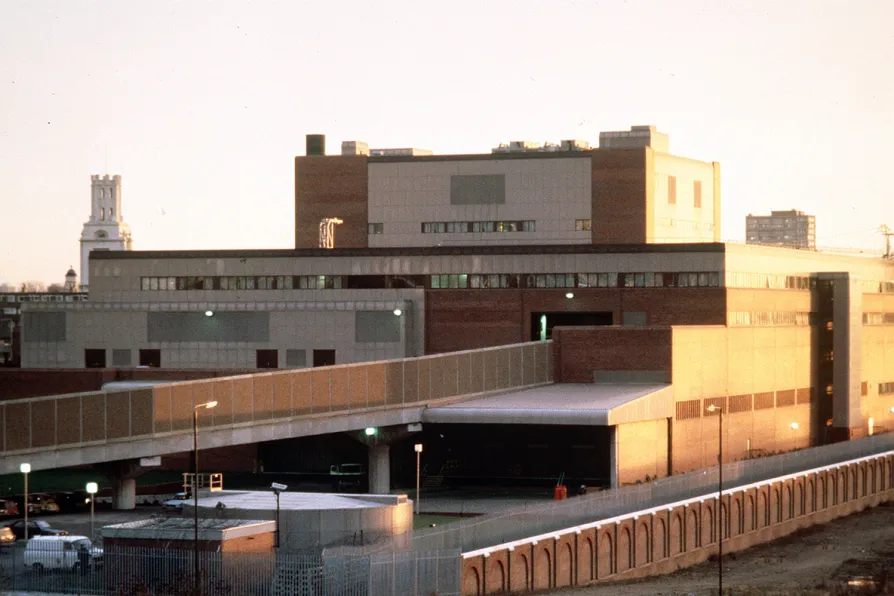
Forty years on, TONY DUBBINS revisits the Wapping dispute to argue that Murdoch’s real aim was union-busting – enabled by Thatcherite laws, police violence, compliant unions and a complicit media
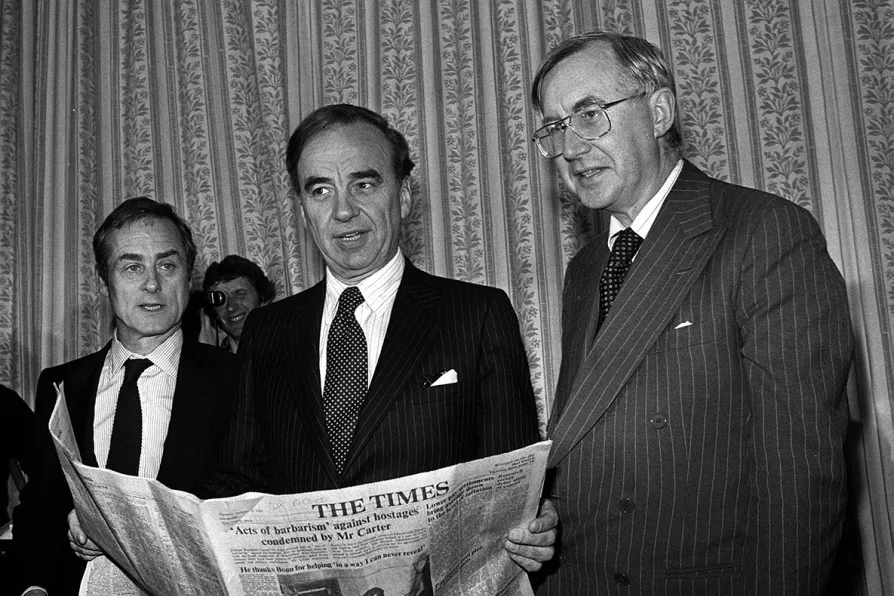
Four decades on, the Wapping dispute stands as both a heroic act of resistance and a decisive moment in the long campaign to break trade union power. Lord JOHN HENDY KC looks back on the events of 1986
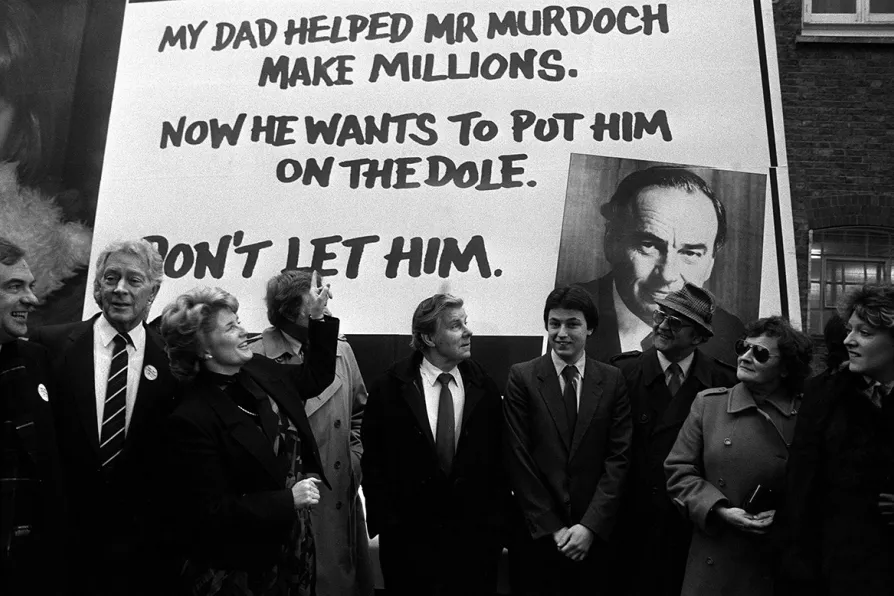
Enduring myths blame print unions for their own destruction – but TONY BURKE argues that the Wapping dispute was a calculated assault by Murdoch on organised labour, which reshaped Britain’s media landscape and casts a long shadow over trade union rights today
On the 40th anniversary of the Wapping dispute, this Morning Star special supplement traces the long-planned conspiracy that led to the mass sackings of printworkers in 1986 – a struggle whose unresolved injustices still demand redress today, writes ANN FIELD