TUC president and POA leader STEVE GILLAN speaks to Ben Chacko on the eve of Congress 2026


 Latest editorial
From Wapping to the digital age
LOUISA BULL traces how derecognition, outsourcing and digitalisation reshaped the industry, weakened collective bargaining and created today’s precarious media workforce
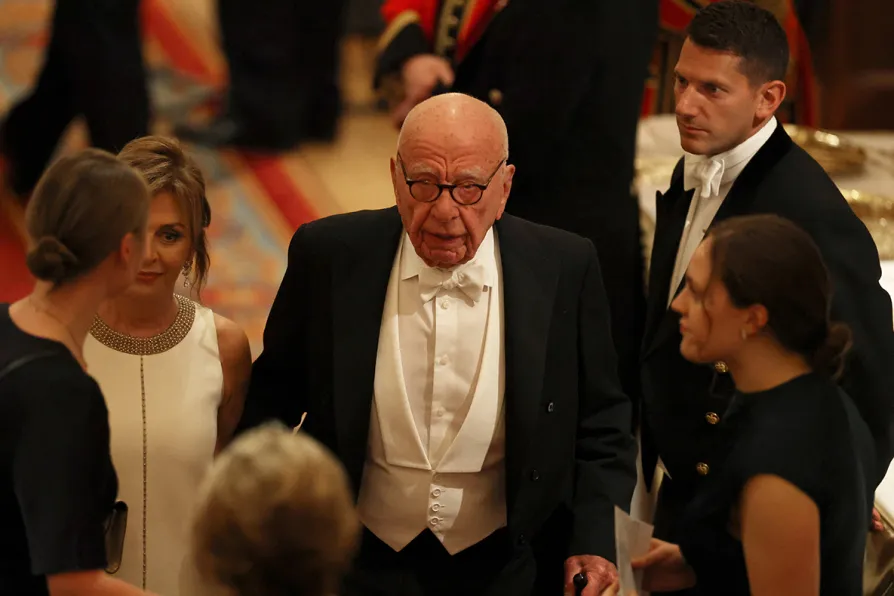 Rupert Murdoch arrives to attend the state banquet for US President Donald Trump and First Lady Melania Trump at Windsor Castle, Berkshire, on day one of their second state visit to the UK, September 17, 2025

DOUG NICHOLLS welcomes a turning point at this year’s Congress, where many motions call for a co-ordinated plan to revive British industry, a perspective outlined in his new book
HOPE VIRGO of campaign Dump the Scales warns MPs voting today they should be alert to the threat legalised assisted death poses to people with eating disorders
The Together Alliance is hosting two summits, North and South, to build power and plan action against the scourge of racism peddled by the right. DANIEL KEBEDE urges mass participation
The drift toward militarisation in Europe is not inevitable, left-wing and peace movements can preserve sovereignty and prevent war, says DÁIRE HUGHES MP
Whatever differences exist among international sympathisers of the Bolivarian revolution about its current trajectory, they should unite against the imperialist power that is the source of an enforced retreat, argues ROGER D HARRIS
Trade unions need to step up and force a turn in the policies of the labour movement to effectively confront the far-right threat, argues NICK WRIGHT





FOR decades the strength of the print unions through collective bargaining had been underpinned by the fact that the unions and not the employers controlled the supply of labour for many jobs in the national newspaper industry.
This was never illustrated more so than during The Times newspaper lockout in 1978-79 when the unions redeployed the displaced workforce.
So, when the Wapping dispute occurred News International had learned the lessons from the past — setting up an alternative site with a compliant workforce and an alternative distribution system with compliant unions.
Murdoch had two big other assisting factors. His lawyers had unlocked the substantial wealth of Reuters (a trust company owned by the national newspapers) to finance the changes, especially the redundancy programmes and the relocation from Fleet Street, and a supportive government willingly introducing employment legislation to restrict the unions’ ability to fight back, including the sequestration of union assets.
Once the companies had relocated their production and distribution operations, they introduced a two-tier workforce by hiring substantial agency labour rather than permanent workers. These new companies legally separated print workers from commercial workers, support staff and journalists, ensuring that collective industrial action would not take place again without falling foul of secondary action.
Without the power of the production workers, the ability of the NUJ and the commercial workforce to fight back against derecognition in the 1990s proved too difficult.
They were the biggest casualties of derecognition and the loudest advocates for legislation to provide trade unions with the right to union recognition and collective bargaining. While this may have halted further attacks, the individual nature of the legislation introduced in 2000 and the lack of access trade unions were given meant that it never really restored the balance to British industrial relations.
With each decade that has subsequently passed the newspaper companies have continued to shed labour through digitalisation and longer working hours, generally reducing terms and conditions and expanding into online products and services as consumers satisfied their desire for information in non-printed formats.
As print runs have shrunk, employers have used technology and water-tight legal agreements to expand the contract printing model.
At the same time commercial operations have developed complementary websites, social media platforms and branded apps.
Some companies originally outsourced IT departments to save more costs but this has now been reversed. Some form of digital worker is now the most common occupation in the national newspaper industry of the 21st century.
Many pundits have predicted the extinction of national newspapers, but the industry continues to adapt and develop in a global market, accepting that contraction of the market is not going to stop. So far the online format has ensured quality editorial content via familiar search engines but the recent arrival of generative AI brings new challenges.
In an age where tech giants with almost unlimited resources have entered the market and technological change is on a global basis job insecurity and the need to force employers to upskill their own workers has never been more necessary. And those issues cannot be challenged by individual actions.
Alongside homeworking, continuing restrictive laws and red tape, unions’ abilities to attract and organise workers is limited and it does not create a supportive scenario for unionisation. And yet, unions are still organising and digital and tech workers are still demanding a collective voice and as they continue to challenge on workplace issues.
Louisa Bull is former national officer, GPM&IT Sector, Unite the Union.

Similar stories
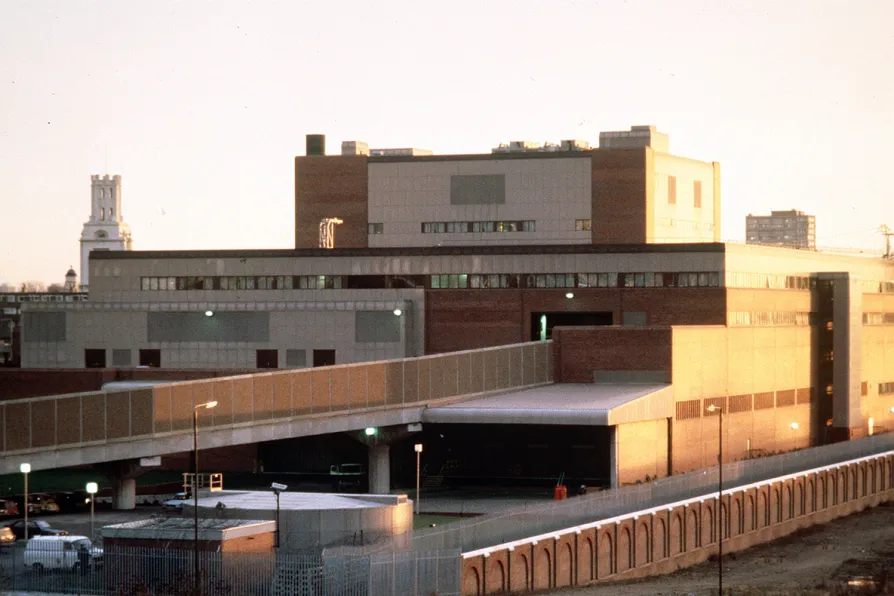
Forty years on, TONY DUBBINS revisits the Wapping dispute to argue that Murdoch’s real aim was union-busting – enabled by Thatcherite laws, police violence, compliant unions and a complicit media
![[Pic: Andrew Wiard]](https://msd11.gn.apc.org/sites/default/files/styles/desktop/public/2026-01/19860503_a_wiard_0003.jpg.webp?itok=mR5zV0nE)
The once beating heart of British journalism was undone by technological change, union battles and Murdoch’s 1986 Wapping coup – leaving London the only major capital without a press club, says TIM GOPSILL
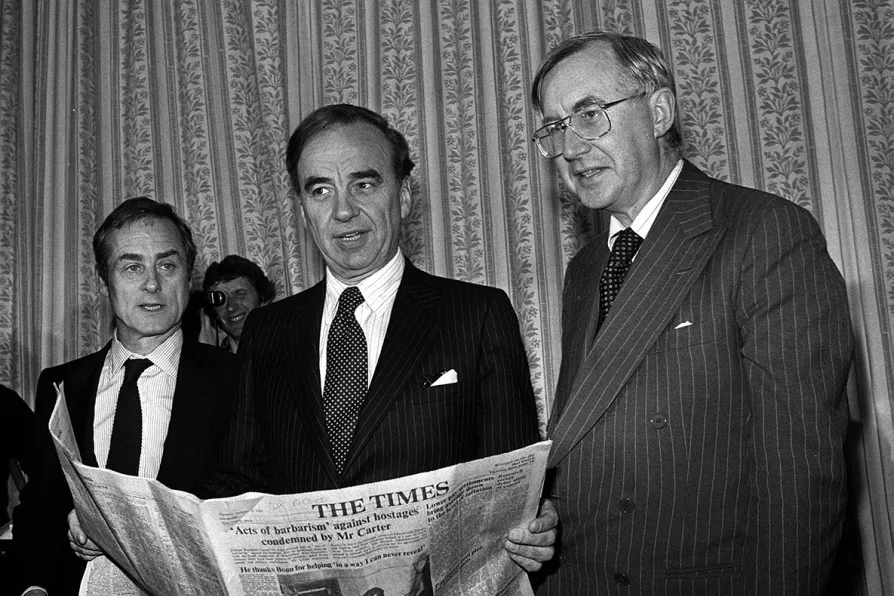
Four decades on, the Wapping dispute stands as both a heroic act of resistance and a decisive moment in the long campaign to break trade union power. Lord JOHN HENDY KC looks back on the events of 1986
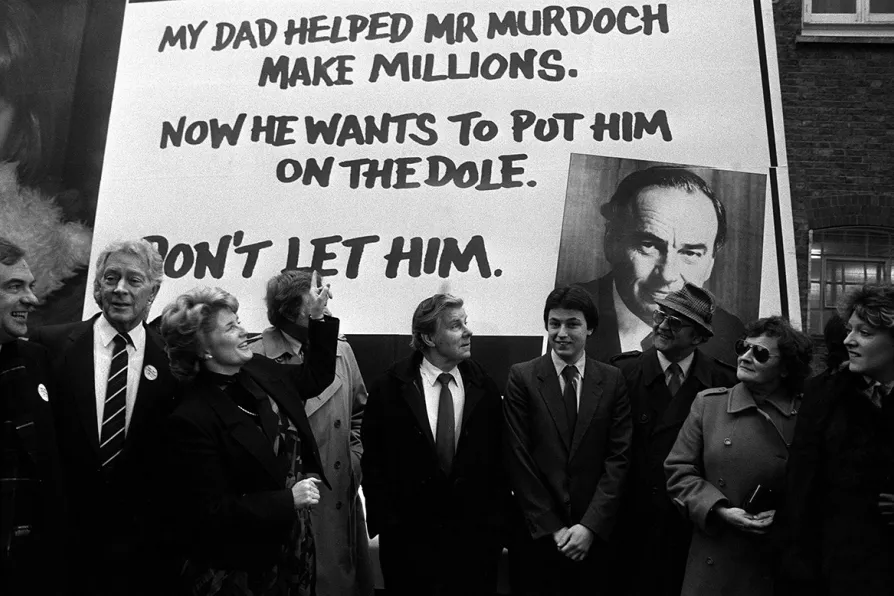
Enduring myths blame print unions for their own destruction – but TONY BURKE argues that the Wapping dispute was a calculated assault by Murdoch on organised labour, which reshaped Britain’s media landscape and casts a long shadow over trade union rights today