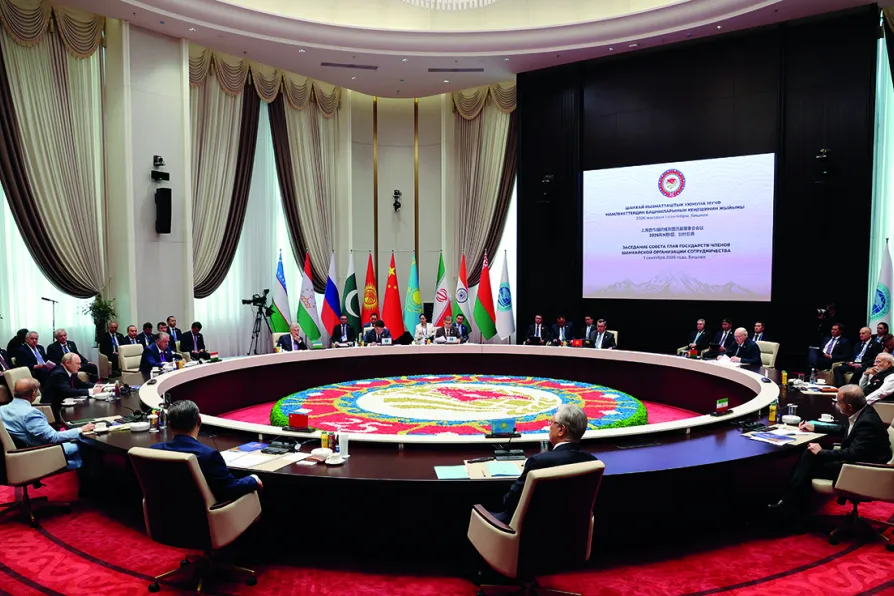
The 25th anniversary meeting of the Shanghai Co-operation Organisation in the Kyrgyz capital may offer a glimmer of hope that international relations do not need to be defined by endless confrontation, writes KENNY COYLE


 Latest editorial

2D or Not 2D: Crystals that open up New Dimensions
Scientists invent a deceptively simple way to build a helter-skelter of atoms
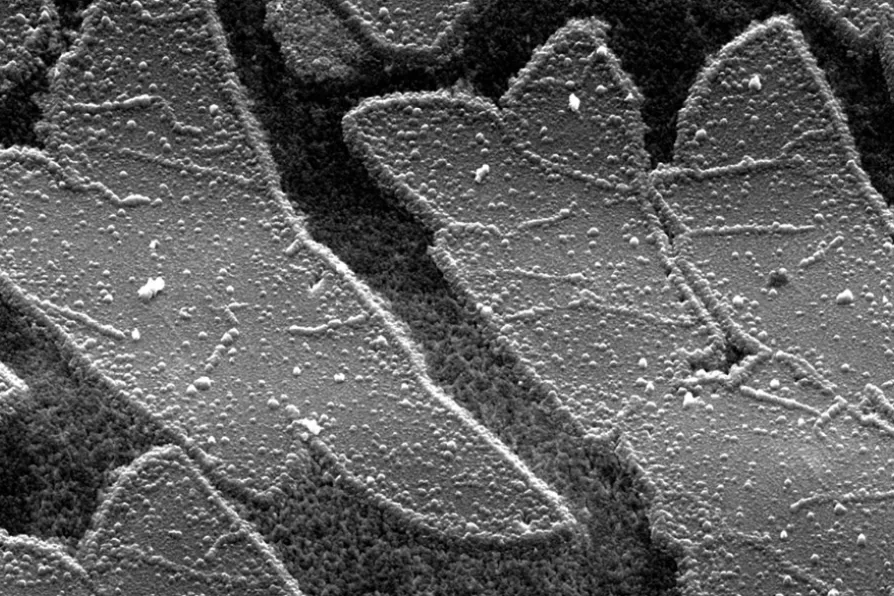 These microscopic butterflies are one of the smallest, lightest and most expensive ones in the world as they partially consist of the novel one atom thick material graphene
[Maido Merisalu/Creative Commons]
These microscopic butterflies are one of the smallest, lightest and most expensive ones in the world as they partially consist of the novel one atom thick material graphene
[Maido Merisalu/Creative Commons]
The artist, who has just died, is embedded in the subconscious of the Palestinian people
The five young men killed in the A66 crash were responsible for a devastating tragedy — but the crash should force us to ask difficult questions about wider society, argues RENATA MEDEIROS MIRRA
Britain funds the policing of black culture 16 times better than the culture itself. The Diamond Jubilee is the moment to end that, argues CLAUDIA WEBBE
Despite Andy Burnham’s declaration defending the continued partition of the island, all major international and internal trends are converging to make Irish reunification inevitable
Humans are part of the ‘animal kingdom’ – and of nature in general – but also distinct from it and labour (work) is part of what makes us unique, declared Engels. His insights 150 years ago into how our species came to be and how we differ from the rest of nature, are as important today as they were then, says the MARX MEMORIAL LIBRARY
Committee for the Defence of the Iranian People’s Rights general secretary GAWAIN LITTLE discusses the impact of the US-Israeli war on the Iranian people and economy





EVERYTHING is made of atoms. To understand this, we’re asked to imagine that the smooth continuous materials around us are each made up of tiny lumps.
Rather than acting like little inert building bricks, each is humming with the energy of existing. Every atom is itself an immense void with even tinier positive and negative charged matter suspended in space, whizzing round each other and changing configuration to give the atom its own particular properties.
The dynamism of the charges moving around and interacting both inside the atom and outside of it defines the ways that charge and energy can move between them, through space, sometimes joining them together in configurations of molecules of infinite variety.

Similar stories
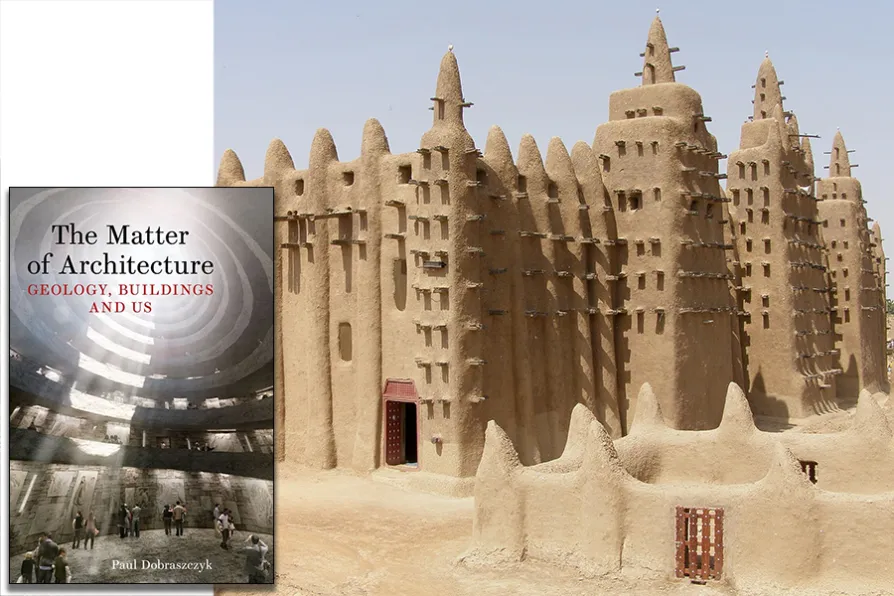
JAMES WALSH is moved by a provocative and original take on the relationship between ecology and architecture, and a plea to work with, not against, the materials and minerals of our world
![Meat [Pic: Cindie Hansen / Creative Commons]](https://msd11.gn.apc.org/sites/default/files/styles/desktop/public/2026-07/cindie-hansen-8IQlsHB2OS8-unsplash.jpg.webp?itok=AgeMqKnO)
Innovation in biotechnology is changing how we conceive of meat, say ROX MIDDLETON, LIAM SHAW and MIRIAM GAUNTLETT of SCIENCE AND SOCIETY
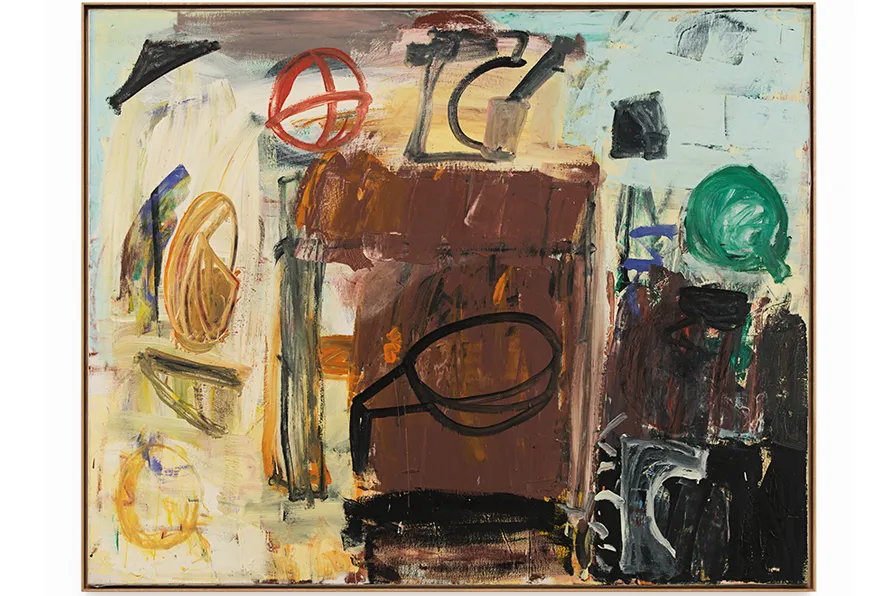
MIRANDA RICHMOND relishes the gloriously liberated art of Roy Oxlade, and traces his method back to the thinking of David Bomberg, his acknowledged teacher
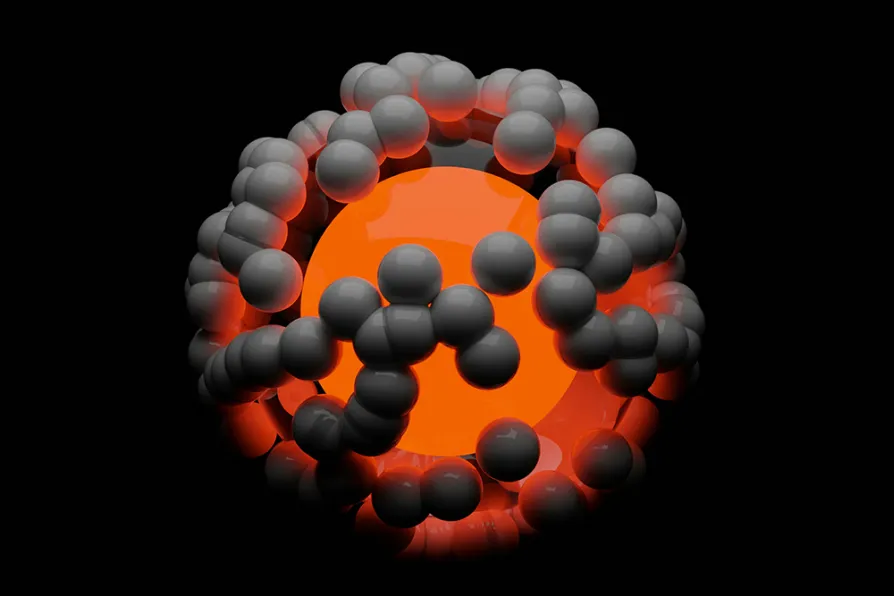
Neutrinos are so abundant that 400 trillion pass through your body every second. ROX MIDDLETON, LIAM SHAW and MIRIAM GAUNTLETT explain how scientists are seeking to know more about them