

 Latest editorial

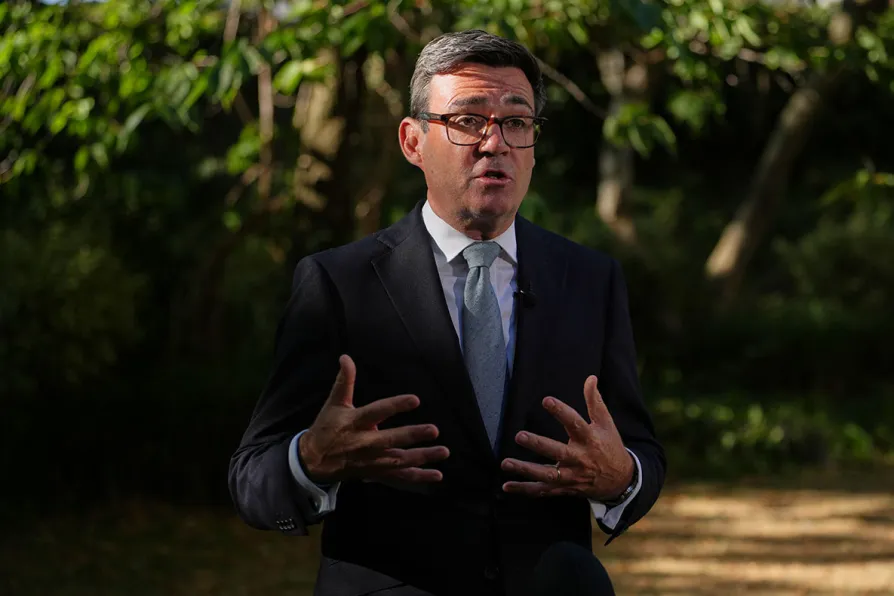
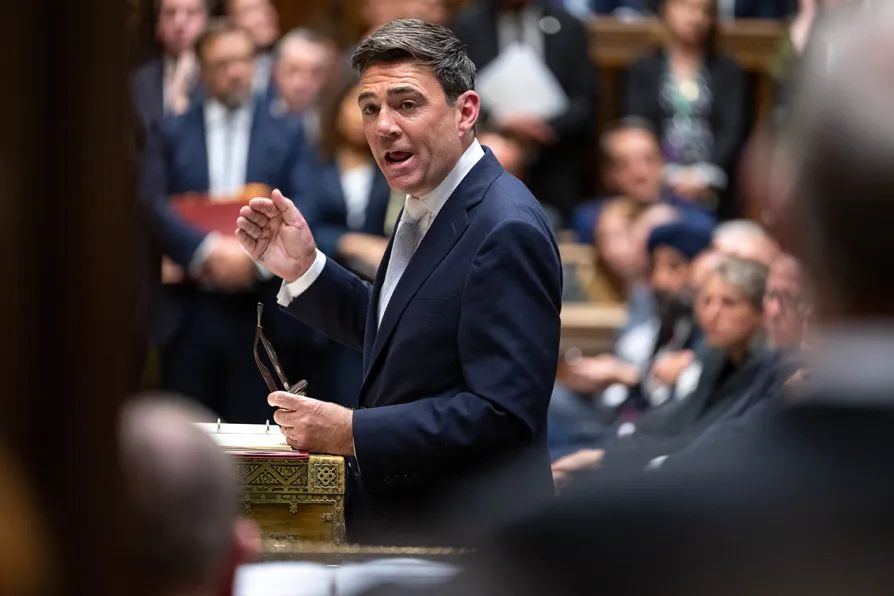 House of Commons Handout photo issued by the House of Commons of Prime Minister Andy Burnham making a statement to MPs in his first appearance in the House of Commons, London, since becoming PM, September 1, 2026
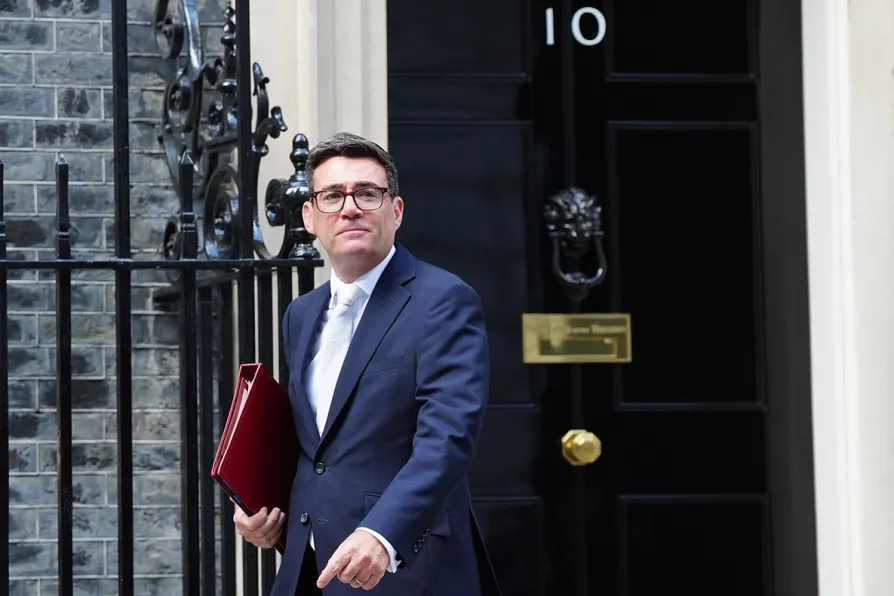





BURNHAM and Badenoch traded blows over spending, debt and borrowing costs today — but both missed the point.
If they raised their eyes beyond Westminster to the renewed carnage being unleashed on Iran by the megalomaniac in the White House — whose overnight blitz claimed 19 more lives, including that of a four-year-old child attending a wedding, and prompted Iranian retaliatory fire across the Middle East — they might see it is no longer possible to pretend foreign policy and the cost of living can be neatly separated.
Badenoch asserting the 28-year high in the cost of servicing state debt is because markets are worried about a “spendthrift” Labour prime minister is nonsense.
Burnham’s claim that it is the delayed reaction to the Tories leaving Britain exposed to “turbulence on global markets” is not much better — unless he is about to reveal far more dramatic price and capital controls than he has hinted at so far. As for our “turning the corner” under Labour’s wise stewardship, it’s not happening.
British borrowing costs are not the only ones hitting historic highs — the same is true of US, Japanese and German debt.
The most obvious reason — as the sound and fury in the Gulf suggests — is inflation driven by surging energy prices, which are themselves a reaction to an unprovoked US and Israeli war launched against Iran which has choked up one of the world’s most important trade routes.
The immediate impact of the Iran war — which is reigniting because of the vanity and recklessness of a US president who can’t face the notion that he has lost — is worth stressing because the British government is complicit in it.
It is not lifting a diplomatic finger to deter Trump’s aggression and continues to allow the US to use our bases to prosecute the war, in which this week’s wedding bombing in Kuhestak was only the latest and far from the largest massacre of civilians.
No questions at PMQs, from the leader of the opposition challenged this outrageous policy. Yet the Centre for Economics and Business Research estimated on Monday the war will cost the typical British household £2,400 by the end of next year in increased costs: sums that will make Burnham’s VAT adjustments and bus fare caps pale into insignificance.
A cost-of-living government cannot stay wedded to a White House setting the world on fire.
Nor do MPs query the material reason for our exposure to market “turbulence.” It is not all about energy, but a lot of it is: energy inputs influencing the prices of literally everything else. The closure of the Strait of Hormuz hits energy prices hard because of our ongoing dependence on fossil fuels, which must be extracted in particular parts of the world and then shipped or piped vast distances.
Labour has diluted its green transition policies and the Tories are markedly worse, effectively denying climate change is a problem at all.
But taking environmental concerns seriously also has foreign policy implications, when the United States is a proud climate-denier working to sabotage international agreements on reducing emissions, puts pressure on our government to drill new oilfields in the North Sea and is behind the march of energy and water-intensive data centres to power the development of AI — which itself is a colossal investment bubble driving up inflation and diverting capital that could be deployed far more productively.
A climate-conscious government is also one that can’t stay wedded to a White House setting the world on fire. And climate chaos is now a major driver of scarcity in international markets leading us back to inflation and the cost of living.
There is no way out of a crisis on this scale that preserves either the Thatcherite consensus Burnham says he rejects or the US alliance still sacrosanct at Westminster. We need bolder voices than this.

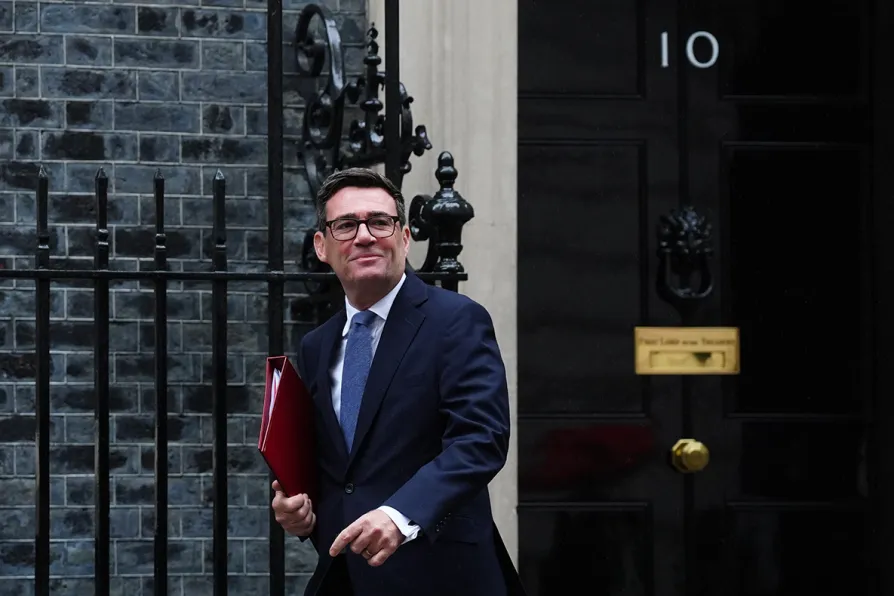
PM tells MPs he want welfare cuts and backs Nato demands for soaring military spending
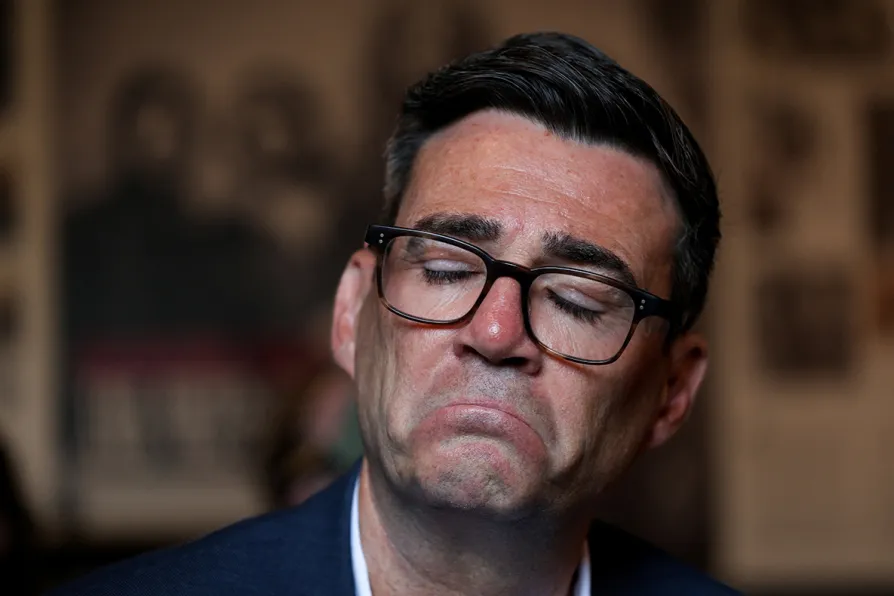
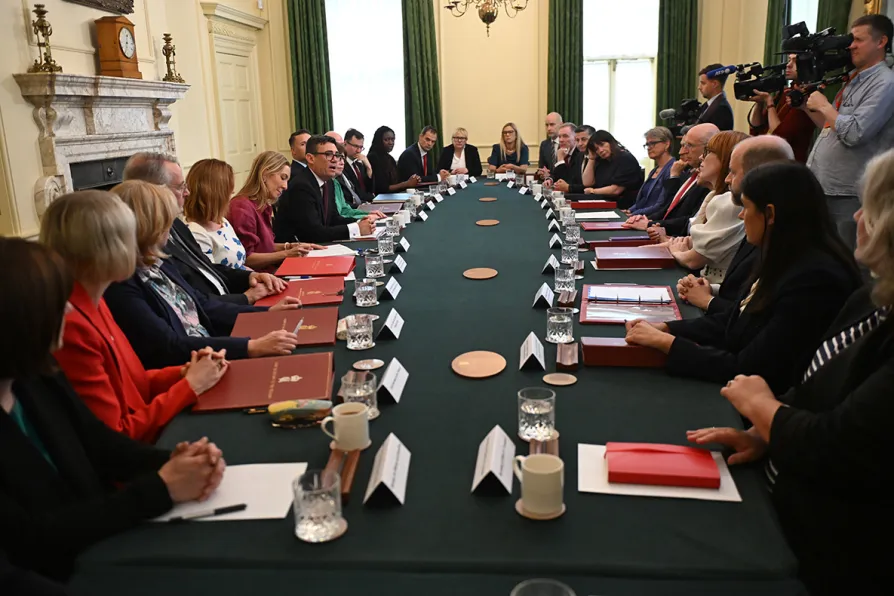
New PM slashes fuel bills and culls Starmer deadwood, but peace activists warn that placing John Healey as new Chancellor shows ‘beyond doubt that the military industrial complex is in charge of Burnham’s economic policy’