
 Prime Minister Andy Burnham





THE Insource Now! campaign being launched by the RMT and Unison unions shames a Labour government that promised “the biggest wave of insourcing for a generation,” but has actually seen increased spending on private contractors within public services.
High-profile campaigns of this kind, mobilising public opinion and putting real pressure on decision-makers at all levels, need to be part of the labour movement’s arsenal as we engage the new Labour administration — remembering that that term can mean battling an enemy as well as negotiating with an ally.
We are familiar with promises made in opposition, like Rachel Reeves’s insourcing pledge, not materialising.
We need to face facts: that pattern is set to continue under Andy Burnham. The capitalist class has noticed: a Financial Times op ed published over the bank holiday weekend detailed “Andy Burnham’s summer of quietly backing away from radical pledges.”
There has been no movement on nationalising even bankrupt Thames Water, let alone progress on public ownership for the whole scandalously mismanaged sector, whose shareholders make a fortune from actively degrading the network, wrecking the environment and endangering public health.
His big noises on council housing amount, so far, to a continuation of Keir Starmer’s policy. He has ducked introduction of rent controls. Intervention over rapidly rising energy prices is limited to VAT tweaks, not price controls or nationalisation.
An apology for Labour’s previous stance on Gaza has not produced any shift in government policy on Israel or the occupation of Palestine. Abasement before the United States and its frenetically aggressive far-right leader continues to extend to allowing it to use British bases to fight a war our government officially deplores.
It’s early days yet, Burnham’s defenders plead. It is right he began with a cost-of-living tour and listening exercise. His hand will be revealed soon, as the new government approaches its first Budget. A 10-year plan is hinted at.
Whether we credit such excuses or not, the summer is over. We are in September and a fortnight from the “workers’ parliament,” the TUC Congress.
If some in the labour movement are inclined to give Burnham the benefit of the doubt, they should remember that the country — despite his relative personal popularity — is not: people have been let down, let down and let down again. They are sick of politicians promising and not delivering and sick of governments cringing before all-powerful markets.
Burnham may or may not have a 10-year plan, but he doesn’t have 10 years. He has a maximum of three years to make enough of a difference to see off the threat of a Reform or other far-right government. Should he fail, those reforms trade unionists do celebrate such as the Employment Rights Act will be targeted immediately.
In that light this month’s TUC Congress must look not just to agree positions but to signal the start of co-ordinated pressure on government to act in line with those positions. Key motions on reshaping the economy prioritise both extension of public ownership and the strategic use of state power to reindustrialise Britain: many stress the need for speed.
Turning the labour movement into a public-facing campaigning force is key both to changing government policy and reasserting the transformative power of the labour movement after decades of declining membership. Heightened union visibility will aid recruitment campaigns, especially in unorganised workplaces, and build industrial power. Ensuring this is consistent and sustained at local level means greater support from unions at national level for trades councils, which have the potential to serve as focal points for community mobilisation, including against Reform-led councils.
Any inclination to defend Labour for fear of something worse needs nixing. Unless Labour are forced to do far more than Burnham is offering, something worse is what we’ll get.

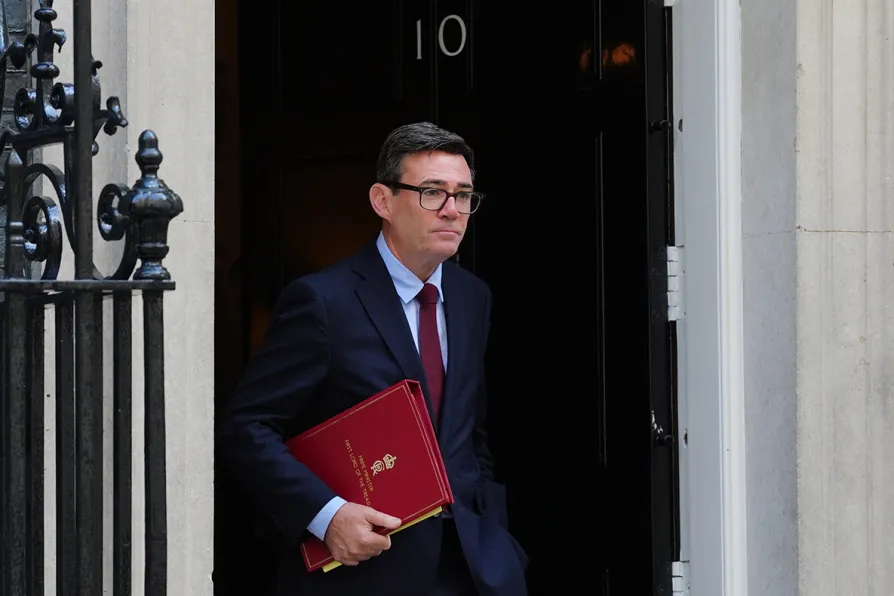
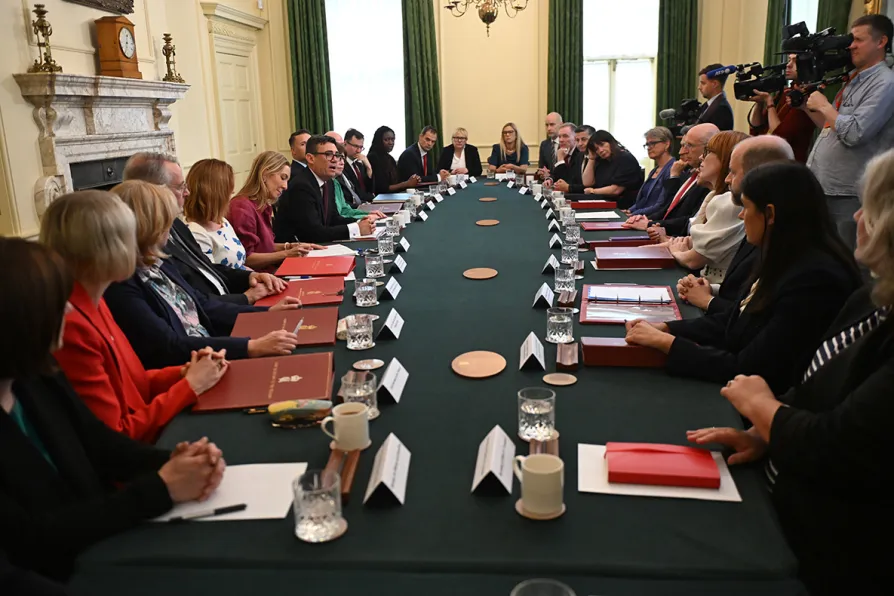
New PM slashes fuel bills and culls Starmer deadwood, but peace activists warn that placing John Healey as new Chancellor shows ‘beyond doubt that the military industrial complex is in charge of Burnham’s economic policy’
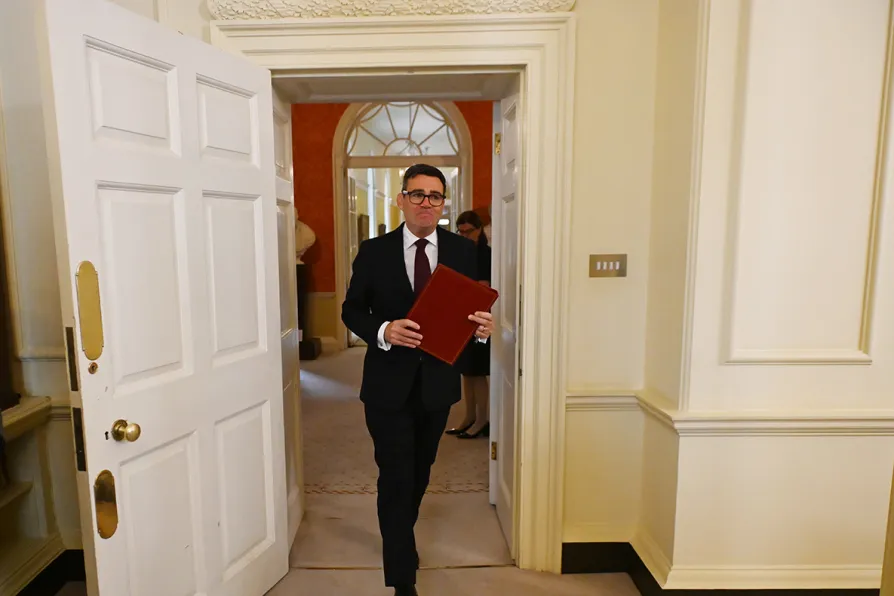
Can entrenched institutional power be overcome?