The 25th anniversary meeting of the Shanghai Co-operation Organisation in the Kyrgyz capital may offer a glimmer of hope that international relations do not need to be defined by endless confrontation, writes KENNY COYLE


 Latest editorial

Flying visits
New research suggests that peregrines which migrate long-distances have a superior long-term memory, write ROX MIDDLETON, LIAM SHAW and JOEL HELLEWELL
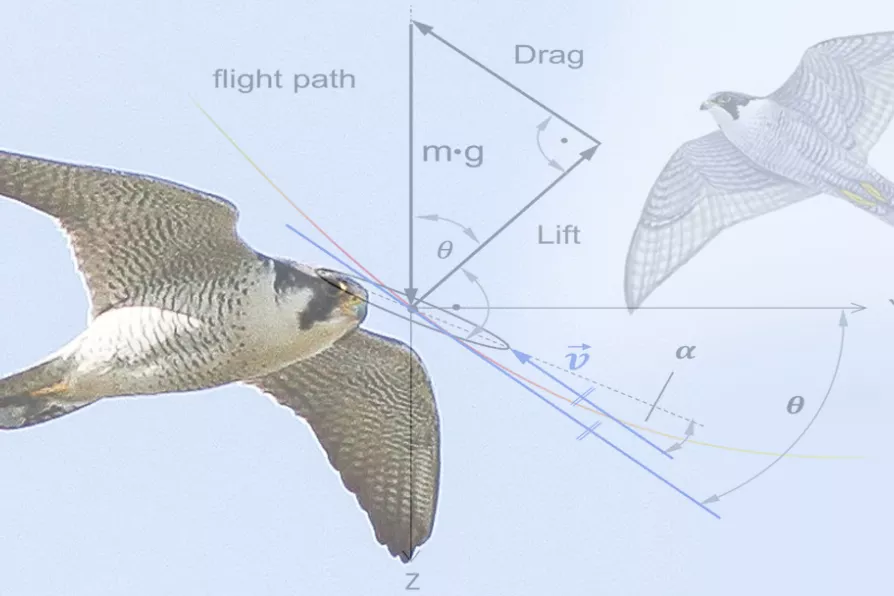 The researchers noticed that there were two clear groups of birds: short-distance and long-distance and by looking at the bird’s genomes, they report evidence that this difference might have genetic causes

The artist, who has just died, is embedded in the subconscious of the Palestinian people
The five young men killed in the A66 crash were responsible for a devastating tragedy — but the crash should force us to ask difficult questions about wider society, argues RENATA MEDEIROS MIRRA
Britain funds the policing of black culture 16 times better than the culture itself. The Diamond Jubilee is the moment to end that, argues CLAUDIA WEBBE
Despite Andy Burnham’s declaration defending the continued partition of the island, all major international and internal trends are converging to make Irish reunification inevitable
Humans are part of the ‘animal kingdom’ – and of nature in general – but also distinct from it and labour (work) is part of what makes us unique, declared Engels. His insights 150 years ago into how our species came to be and how we differ from the rest of nature, are as important today as they were then, says the MARX MEMORIAL LIBRARY
Committee for the Defence of the Iranian People’s Rights general secretary GAWAIN LITTLE discusses the impact of the US-Israeli war on the Iranian people and economy





PEREGRINE FALCONS are known for their speed: when one dives from a great height at more than 320km (199 miles) per hour, for a brief moment it will be the fastest animal on Earth. But they are also endurance flyers, migrating thousands of kilometres.
In a new study published in Nature, an international team of researchers investigated peregrine migration. As they note in their response to one peer reviewer who complained about the relatively small size of the dataset, “for a top predator living in the remote Arctic” only accessible in “short Arctic summer breeding windows,” they did pretty well: they tracked 56 birds and took blood samples from 35 individuals.
The peregrines in the study breed in the Arctic north, along the top of Russia and migrate south to a huge variety of locations: northern Africa, India, China and Indonesia. By putting satellite trackers on birds and watching their flight patterns over multiple years, the researchers hoped to be able to understand why the birds took the routes they did.

Similar stories
![Meat [Pic: Cindie Hansen / Creative Commons]](https://msd11.gn.apc.org/sites/default/files/styles/desktop/public/2026-07/cindie-hansen-8IQlsHB2OS8-unsplash.jpg.webp?itok=AgeMqKnO)
Innovation in biotechnology is changing how we conceive of meat, say ROX MIDDLETON, LIAM SHAW and MIRIAM GAUNTLETT of SCIENCE AND SOCIETY

Coal-fired stoves in traditional homes are the primary source of extreme levels of air pollution in over-crowded Ulaanbaatar. As more people become climate-displaced, the situation is likely to worsen, write SCIENCE AND SOCIETY

Neutrinos are so abundant that 400 trillion pass through your body every second. ROX MIDDLETON, LIAM SHAW and MIRIAM GAUNTLETT explain how scientists are seeking to know more about them
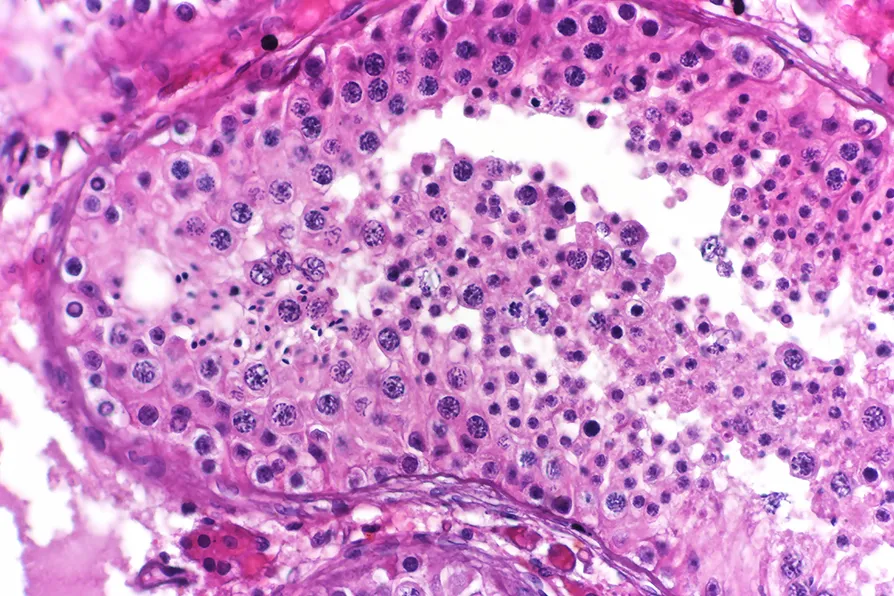
New research into mutations in sperm helps us better understand why they occur, while debunking a few myths in the process, write ROX MIDDLETON, LIAM SHAW and MIRIAM GAUNTLETT