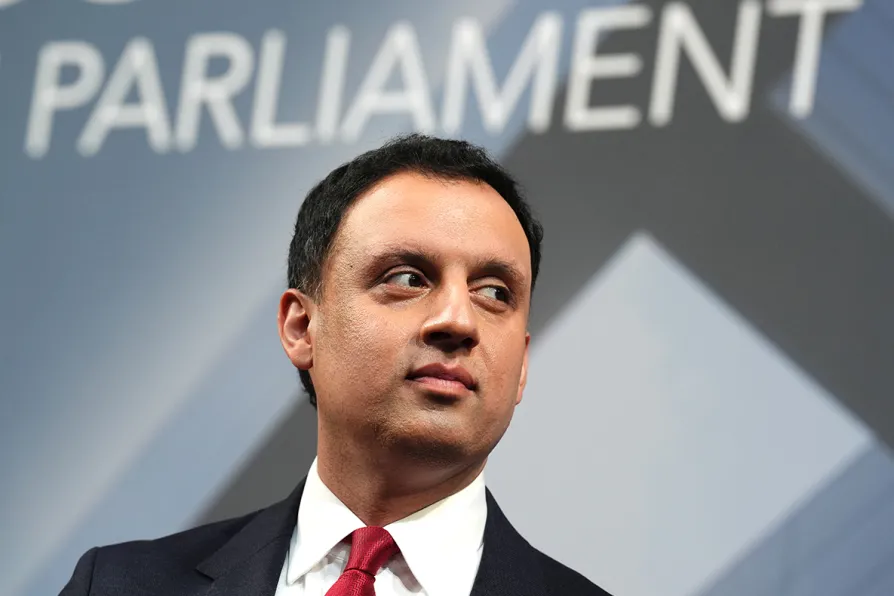
Scottish Labour's leaders cannot keep blaming Westminster for the collapse at the ballot box, says VINCE MILLS


 Latest editorial

Liverpool’s elite Athenaeum asked to confront its slave trade past
Behind a progressive historical facade, this prestigious institution is partly built on the wealth of slave traders, writes LAURENCE WESTGAPH, calling for the private members club to engage with its history honestly
 The library inside The Athenaeum Club, Liverpool
[Michael D Beckwith]
The library inside The Athenaeum Club, Liverpool
[Michael D Beckwith]
Over 30 years since apartheid was abolished, nasty anti-migrant rhetoric sweeps the corporate media. The Commnunist Party is ready to fight back, says ROGER McKENZIE
Over 100,000 people are expected on Brussels’s streets today. Ben Chacko speaks to Belgian Workers Party’s PETER MERTENS on wage and pensions attacks that have united the fightback
FRED BAYER says the cuts to the congress cycle could be disastrous for the Scottish trade union movement
Berlin’s Soviet war memorials are becoming the latest front in a political struggle to ‘de-Sovietise’ German history. NICO POPP reports
Western Marxism is a particular version of Marxist theory developed in – and acceptable to – the capitalist nations of Europe and North America and largely divorced from political action, argues the MARX MEMORIAL LIBRARY





I AM a community activist and historian of slavery. Five years ago, before the events that followed the tragic death of George Floyd, I founded the Liverpool Black History Research Group (LBHRG). Unlike many scholarly entities, LBHRG operates outside the confines of academia.
Rooted in the Liverpool 8 community, our collective comprises dedicated community researchers and activists. Our mission is to challenge institutions, correct misleading narratives about slavery, and raise awareness of the significant role the slave economy played in Liverpool’s growth. Ultimately, we seek to secure reparations for these historical injustices.
Over the years, we have spearheaded several projects, challenging the City Council, two universities, and a major bank to reveal their ties to slavery. Our latest project scrutinises the Liverpool Athenaeum, the city’s oldest private members’ club, founded in 1797.
Recently, we released our Phase One findings, which reveal that over 50 per cent of its founding shareholders had connections to the slave trade. This revelation casts a long shadow over the Athenaeum’s prestigious history, demanding a critical re-evaluation of its narrative.
The Athenaeum was established by selling shares at 10 guineas each, fostering an image of exclusivity and influence. However, recent controversies surrounding allegations of racism within its membership underscore the need to confront the true historical context of its founders.
Our research meticulously examines the first 250 shareholders, aiming to uncover their ties to the slave economy. This comprehensive investigation is divided into two phases: the first focuses on direct connections to the slave trade, while the next will examine indirect ties, such as trading in slave-produced goods or supplying materials used in the trade.
Our initial findings are stark: 90 out of the 250 shareholders (36 per cent) had direct ties to the slave trade. These included members of elite slave-trading families like the Aspinalls, Earles, Gregsons, Heywoods, and Gladstones.
Of these, 57 were already established in the slave trade upon joining the Athenaeum, while 33 began their involvement afterwards. This suggests that discussions and connections made within its walls may have encouraged other proprietors to pursue fortunes in the trade of enslaved people.
Additionally, 37 shareholders (14.8 per cent) were identified as direct descendants of slave traders, further entrenching the club’s connection to this abhorrent trade. Among the 22 officers on the first committee, 11 had direct connections to the slave trade, with two more being descendants of slave traders.
George Case, the club’s first president, was a prolific slave trader, responsible for over 140 slave voyages that transported over 45,000 Africans to be enslaved on plantations.
It is important to stress that these findings represent the least case scenario and may increase as research continues. Our project also identifies a small number of shareholders who held abolitionist sympathies, suggesting their influence was clearly overshadowed by the majority who had vested interests in maintaining the slave trade.

Similar stories
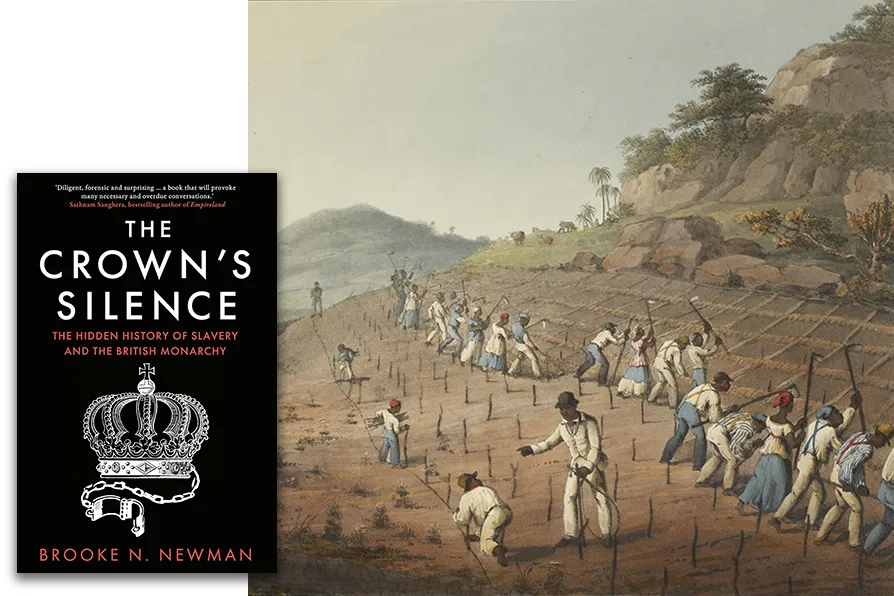
ELLIS RAE recommends a stunning history of the active role played by the British monarchy in establishing and profiting from slavery
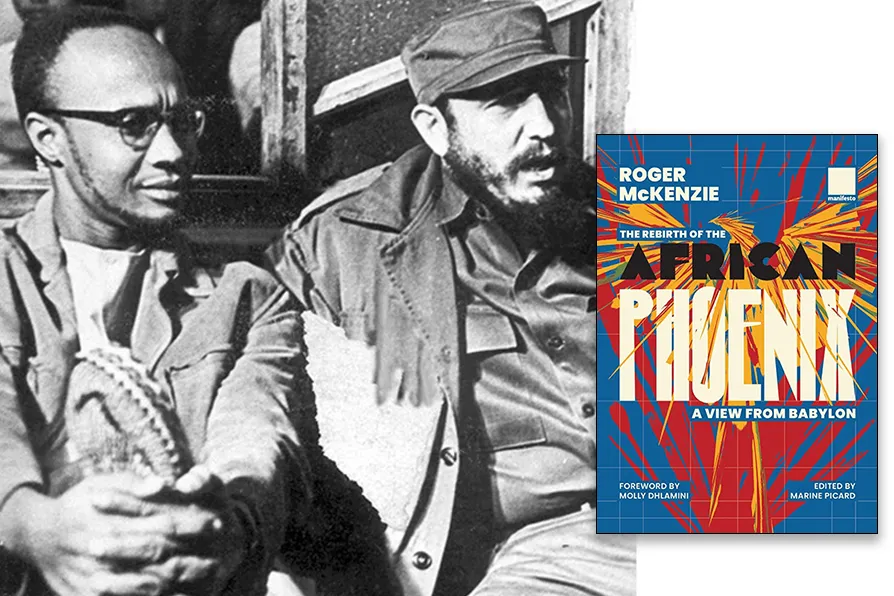
MOLLY DHLAMINI welcomes a Pan-Africanist and Marxist manifesto that charts a path for Africa’s resurgence

SUE TURNER is appalled by the story of the only original colonising family to still own a plantation in the West Indies
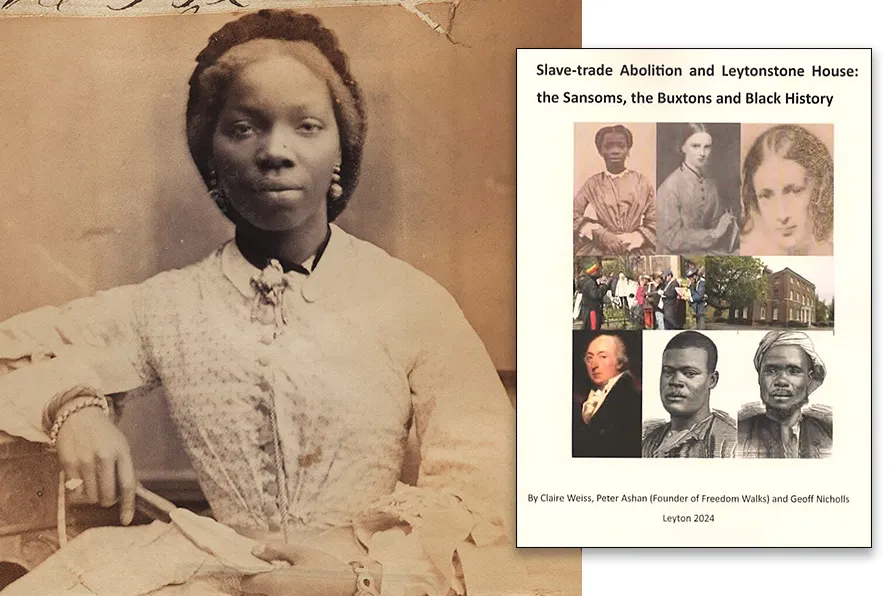
BOB NEWLAND relishes a fascinating read as well as an invaluable piece of local research