ANDY HEDGECOCK and MARIA DUARTE review Late Fame, The Death of Robin Hood, Leviticus, and Gail Daughtry and the Celebrity Sex Pass


 Latest editorial

The British monarchy’s unforgiven crime against humanity
ELLIS RAE recommends a stunning history of the active role played by the British monarchy in establishing and profiting from slavery
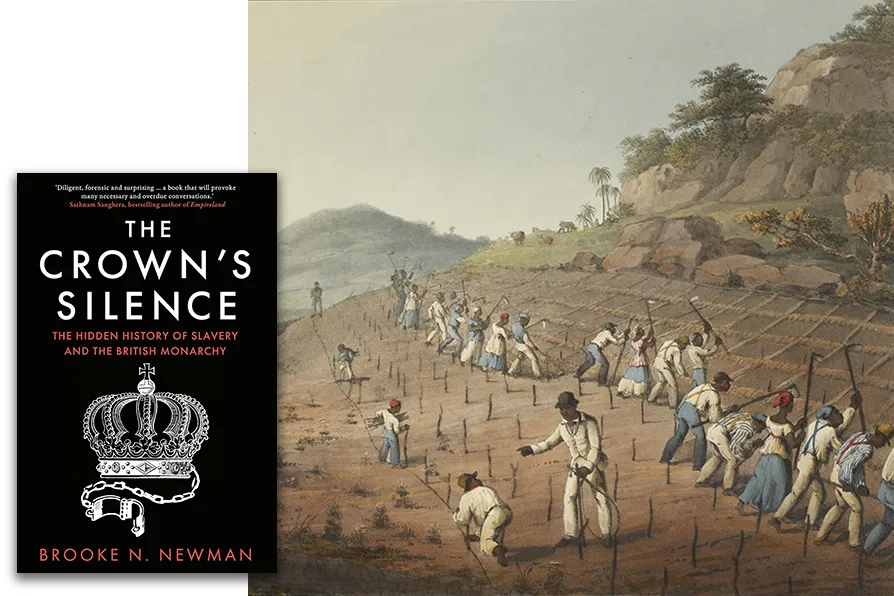 Slaves planting sugar-cane in the British colony of Antigua, 1823 [PIc: William Clark / Public Domain]

GORDON PARSONS enjoys Kant’s ‘mind-boggling’ theory of human reality: that we create the reality we experience
DAVID RABY welcomes a biography that emphasises how Fidel’s unique characteristics became hallmarks of the ongoing Cuban revolutionary process
IAN SINCLAIR recommends a readable, if partisan, account of the astonishing campaign of New York's new mayor
MATTHEW HAWKINS witnesses a contemporary ballet that represents human life as subjected to artificial intelligence
by Marwa Paikan





The Crown’s Silence
Brooke N Newman, Mudlark, £25
BROOKE N NEWMAN’s The Crown’s Silence critically appraises the role of the monarchy in the transatlantic slave trade. Newman claims that the monarchy remains “silent” on the full scale of this history.
The historical narrative begins with Elizabeth I who secretly sanctioned the first English slave ships. It wasn’t until the later reign of Charles II, by granting monopoly rights to colonial, chartered companies like the Royal Africa Company, that England had “officially entered” into the transatlantic slave trade.
In the War of the Spanish Succession Britain won the contract that granted monopoly rights to “supply enslaved Africans” to Spanish colonies in America. This contract was transferred to a new chartered company, the South Sea Company. Like the Royal Africa Company, the South Sea Company was deeply connected to the monarchy. By the time of the arrival of George I to the throne, the South Sea Company was branding enslaved “African women, men, and children” with an image of the crown.
Later, the Crown itself was purchasing enslaved Africans to serve in the navy, which Newman describes as a “specialised enslaved workforce employed in the king’s name.”
By the mid-1700s Britain was using the migration of native peoples in North America, seen as British subjects, to claim “an imperial foothold” in the region. These lands were disputed between the French and the British, beginning the Seven Years War.
After the French capitulated in Canada, Britain took to the Caribbean, occupying Cuba for 10 months. Shockingly, Newman reports, in British-occupied Cuba the enslaved population increased by 80 per cent. This is because sugar plantations were key in funding empire.
With the expansion of North American territories, the British were seeking to “plant large-scale settlements” upon Indigenous lands. In the face of armed native resistance George III asserted the Crown’s “sovereignty over North America and Native nations.”
At this time, with the widespread publication of slave narratives — autobiographical accounts of the lives of freed black people, such as Olaudah Equiano, that shed light upon the brutal realities of slavery — the abolition movement was starting to grow.
The Quaker London Abolition Society campaigned alongside the Sons of Africa, Britain’s first black abolitionist organisation. Newman says that hopes to recruit the king to the cause were “routinely dashed,” while the monarchy covertly “co-ordinated opposition.”
When the Bill to end the transatlantic slave trade was passed in 1807, all but one royal opposed it. The Bill also had “little effect” upon the “seven hundred thousand” still enslaved in the Caribbean.
As George IV came to the throne, the king was the “largest purchaser of enslaved people” in the nation. The Crown was forcibly conscripting enslaved people freed from illegal slaving vessels into the colonial military. While the Crown’s slaves were freed in 1828, slavery wasn’t abolished in the entire British empire until 1834. Yet “hundreds of thousands” of freed people in the Caribbean continued to be kept in extremely exploitative labour conditions in the “apprenticeship system” that replaced it.
Queen Victoria inherited this problem, receiving a petition signed by half a million women across the British Isles. Newman claims that “Queen Victoria served the anti-slavery purposes” because she wanted to embody “Britain’s idealised identity as a liberal imperial power, spreading British values” and “racial supremacy across the world.” The reality was that Crown involvement in the slave trade had come crashing down because of the millions of people in Britain fighting for abolition over the span of decades.
While “former enslavers” received “compensation” from the government, freed people were given nothing to forge their new lives, with an enduring generational impact.
King Charles III, just like Elizabeth II, has addressed the horrors of slavery, but the fundamental role the Crown played is far from recognised. With support for the Crown at an all-time low and the existence of the monarchy in question, The Crown’s Silence makes a strong contribution to any republican’s bookshelf.

Similar stories
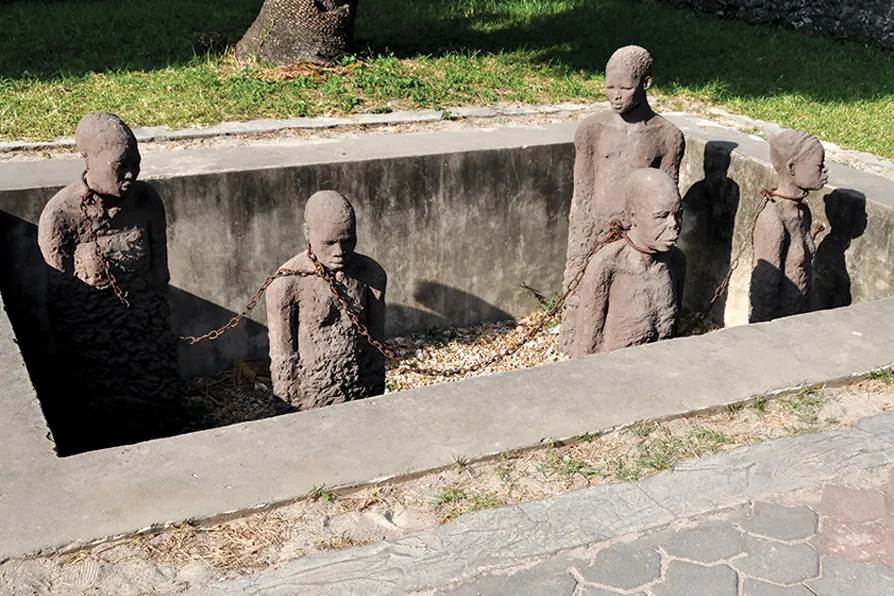
Trade unions should be at the heart of the anti-racist push for reparations for the historic legacy and continuing impact of slavery, writes ROGER McKENZIE
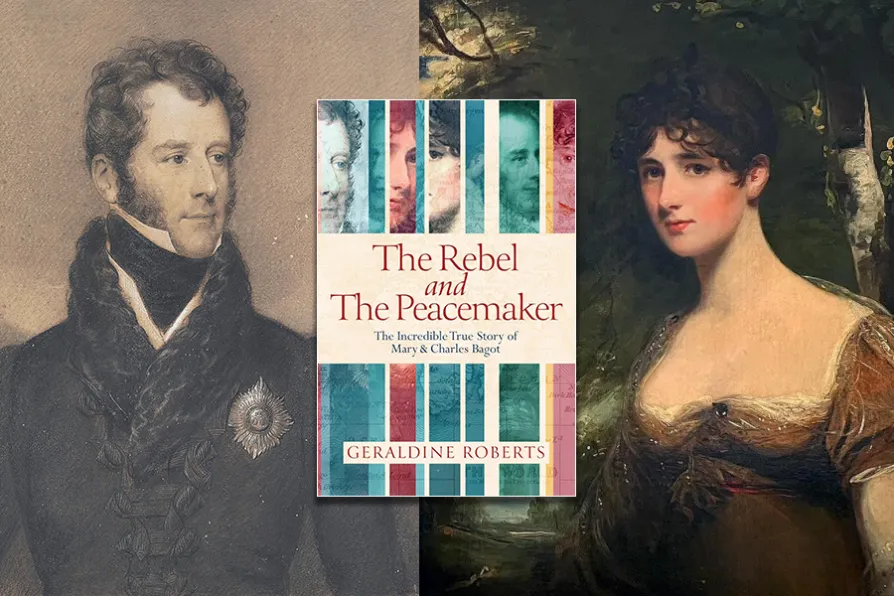
PAUL DONOVAN is fascinated by the lives of Charles and Mary Bagot, and the insight this biography shines on the morals of pre-Victorian society
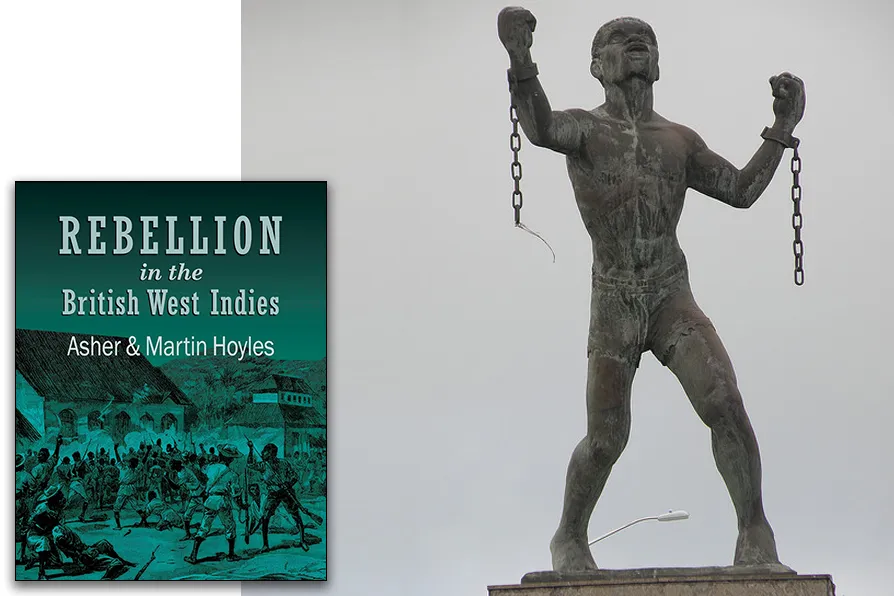
BOB NEWLAND appreciates an important contribution to the debate about how slavery helped to build the wealth of Western companies and states