ANDY HEDGECOCK and MARIA DUARTE review Late Fame, The Death of Robin Hood, Leviticus, and Gail Daughtry and the Celebrity Sex Pass


 Latest editorial

The strange case of the US obsession with UFOs
ALEX HALL is amused at the way the UFOs appear exactly where commercial interests, conspiracies, militarism and right-wing media overlap
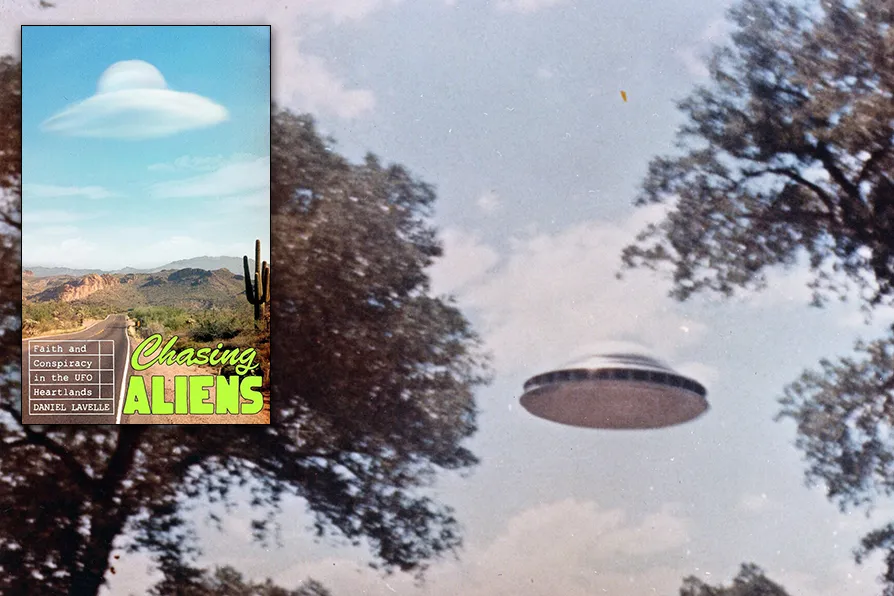 PERIOD PIECE: Picture of a flying saucer, from the USA National Archives and Records Administration, 1964 [Pic: Unknown/CC]

GORDON PARSONS enjoys Kant’s ‘mind-boggling’ theory of human reality: that we create the reality we experience
DAVID RABY welcomes a biography that emphasises how Fidel’s unique characteristics became hallmarks of the ongoing Cuban revolutionary process
IAN SINCLAIR recommends a readable, if partisan, account of the astonishing campaign of New York's new mayor
MATTHEW HAWKINS witnesses a contemporary ballet that represents human life as subjected to artificial intelligence
by Marwa Paikan





Chasing Aliens: Faith and Conspiracy in the UFO Heartlands
Daniel Lavelle, Penguin, £20
DANIEL LAVELLE is presently a top-flight journalist working at the Guardian. He has traditionally covered mental health and homelessness and has won awards for his writing, including Down and Out (Wildfire, 2023), which covered his own and others’ experiences in social care.
Chasing Aliens, ostensibly about UFOlogy in the United States, is therefore in quite different terrain. The moral of the story is relatively straightforward. But the journalistic story of seeking out facts, figures, documents and witnesses is a fascinating road trip through US culture.
He initially adopts the approach of 1970s telly’s crime detective Columbo: appear to be bumbling, disorganised and forgetful while recording in detail all the facts. Louis Theroux has made a career out of such an approach.
Lavelle’s interlocutors provide the detail, but there’s never really a moment when he can ask “Just one more thing…” and then the whole edifice comes crashing down. There’s always something further. Classified evidence that would convince you if you did see it, for example.
His journey includes conversations with government insiders and former intelligence officials, attending “sky watches” in the desert, and interviewing people with extraordinary beliefs: alien abductees and “Starseeds” who claim to be aliens inhabiting human bodies.
In 2017 the Gimbal, Tic-Tac and Go Fast videos were released by the New York Times. All three films were genuine military footage of unexplained aerial phenomena (UAP), which then generated considerable official interest in the matter.
Lavelle does an excellent job in describing the impact of the videos and getting theories out of his informants. But phenomena that are unexplained does not prove alien intervention. Despite this, 41 per cent of Americans believe that aliens have already made contact. The journalistic method does, however, tease out some highly important factors.
The first is that there is a lot of vested interest in UFOs, including commercial interests. The proponents of UFOs run courses, sell mugs, T-shirts, are paid speakers, get views on podcasts. Commercial interests also lobbied government for funding to examine UFOs on the basis of improving US security, and then won the contracts for the investigation. Further, US military have used UFO rumours as a distraction for classified conventional weapons programmes.
Further, the phenomena are characterised by particular additional beliefs, which often cross over into further paranormal “fields.” Some of the protagonists claim psychic powers, remote viewing, alternative realities and visitations by paranormal entities.
Much of this is clearly the search for meaning in an increasingly fractured US. There might be no god but there are god-like (and often peculiarly Aryan) aliens. It is proposed that the US government is a malevolent hoarder of secrets that traffics children. The Epstein files, however, suggest that just such arrangements existed for some of the elite.
Either way, UFOs add to the mess that is US culture. Commercial interests, conspiracies real and imagined, military prerogatives, a severe imbalance of power between rulers and ruled, a media with no relation to facts, and multiple real crises of meaning create a whirlwind of confusion.
In 1995 Carl Sagan wrote: “I have a foreboding of an America … when the United States is a service and information economy; when nearly all the manufacturing industries have slipped away to other countries; when awesome technological powers are in the hands of a very few, and no-one representing the public interest can even grasp the issues; when the people have lost the ability to set their own agendas or knowledgeably question those in authority; when, clutching our crystals and nervously consulting our horoscopes, our critical faculties in decline, unable to distinguish between what feels good and what’s true, we slide, almost without noticing, back into superstition and darkness…”
Daniel Lavelle suggests that for a large part of the US, that time is now, and UFOs are just one part of it.

Similar stories
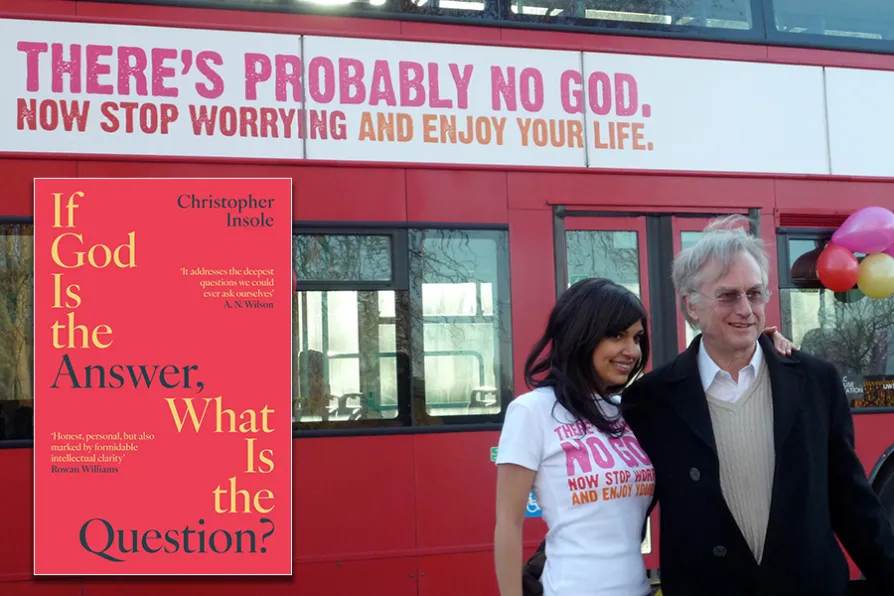
MARTIN HALL welcomes a plea for greater compassion between believer and non-believer via the framework of philosophical enquiry
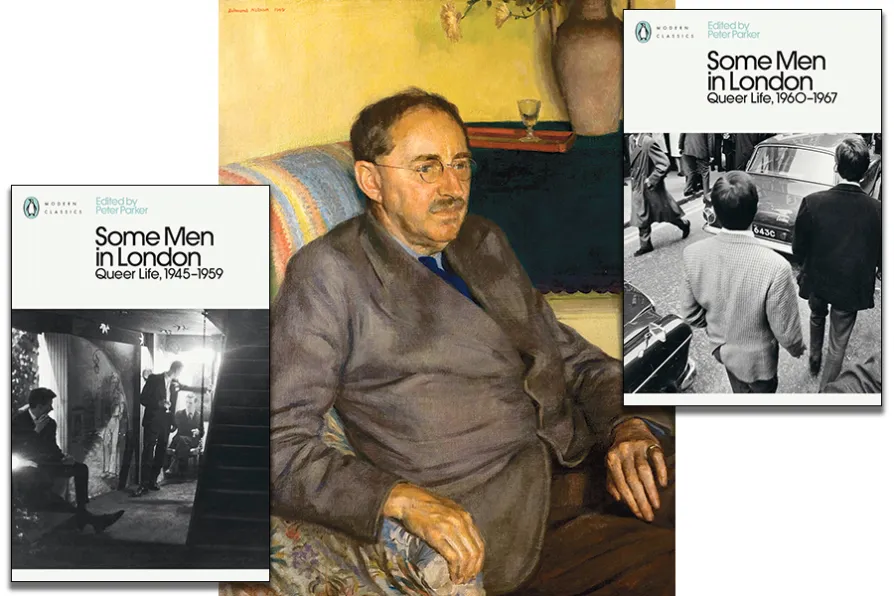
MATTHEW HAWKINS welcomes an engaging and nourishing account of the queer subculture that flourished in London between WWII and partial decriminalisation

ALEX HALL is fascinated by a lucid and historically convincing account of how rent has dominated capitalist economies from feudalism to modernity

ALEX HALL is frustrated by a book that ducks a clear definition of terrorism and fails to perceive the role of the state in sponsoring it