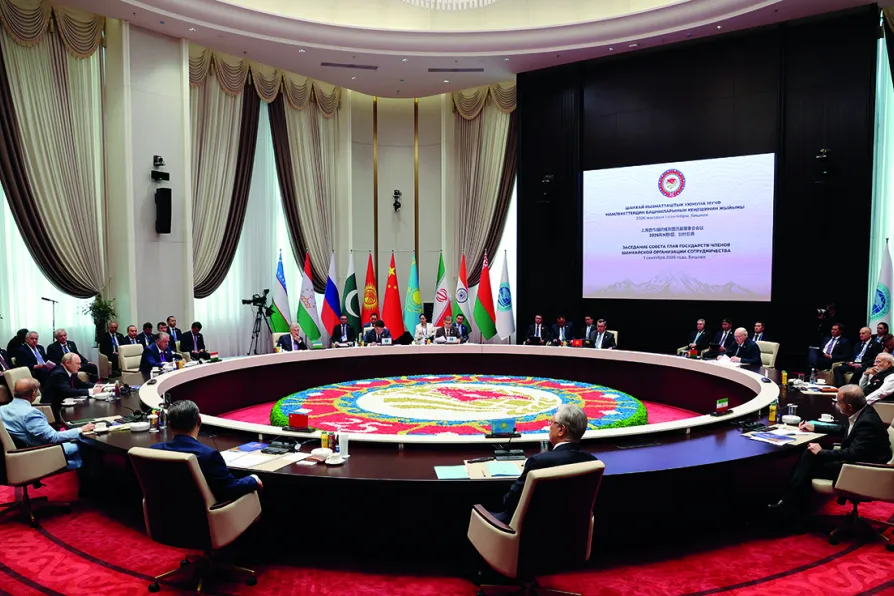
The 25th anniversary meeting of the Shanghai Co-operation Organisation in the Kyrgyz capital may offer a glimmer of hope that international relations do not need to be defined by endless confrontation, writes KENNY COYLE


 Latest editorial

The future of peace in the balance
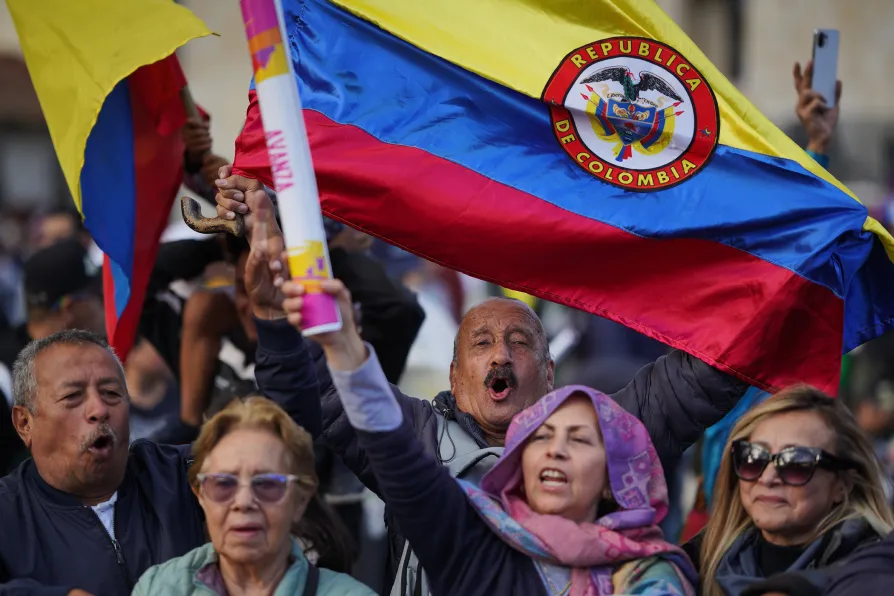
Colombians face a stark choice in next week’s presidential election, writes JOHN HAYLETT
The artist, who has just died, is embedded in the subconscious of the Palestinian people
The five young men killed in the A66 crash were responsible for a devastating tragedy — but the crash should force us to ask difficult questions about wider society, argues RENATA MEDEIROS MIRRA
Britain funds the policing of black culture 16 times better than the culture itself. The Diamond Jubilee is the moment to end that, argues CLAUDIA WEBBE
Despite Andy Burnham’s declaration defending the continued partition of the island, all major international and internal trends are converging to make Irish reunification inevitable
Humans are part of the ‘animal kingdom’ – and of nature in general – but also distinct from it and labour (work) is part of what makes us unique, declared Engels. His insights 150 years ago into how our species came to be and how we differ from the rest of nature, are as important today as they were then, says the MARX MEMORIAL LIBRARY
Committee for the Defence of the Iranian People’s Rights general secretary GAWAIN LITTLE discusses the impact of the US-Israeli war on the Iranian people and economy





Colombia’s voters will return to the polls next weekend in an exercise that could scupper the government’s peace negotiations with the Farc liberation movement.
Incumbent President Juan Manuel Santos, who is intent on pursuing the talks that began in November 2012, will meet Oscar Ivan Zuluaga in a run-off after neither candidate reached 50 per cent in the first round.
Zuluaga led the way on May 29, gaining 29.25 per cent against 25.69 per cent for Santos. Conservative Marta Lucia Ramirez polled 15.52 per cent, marginally beating Alternative Democratic Pole (PDA) candidate Clara Lopez’s 15.23 per cent, while Green representative Enrique Penalosa scored 8.28 per cent.

Similar stories
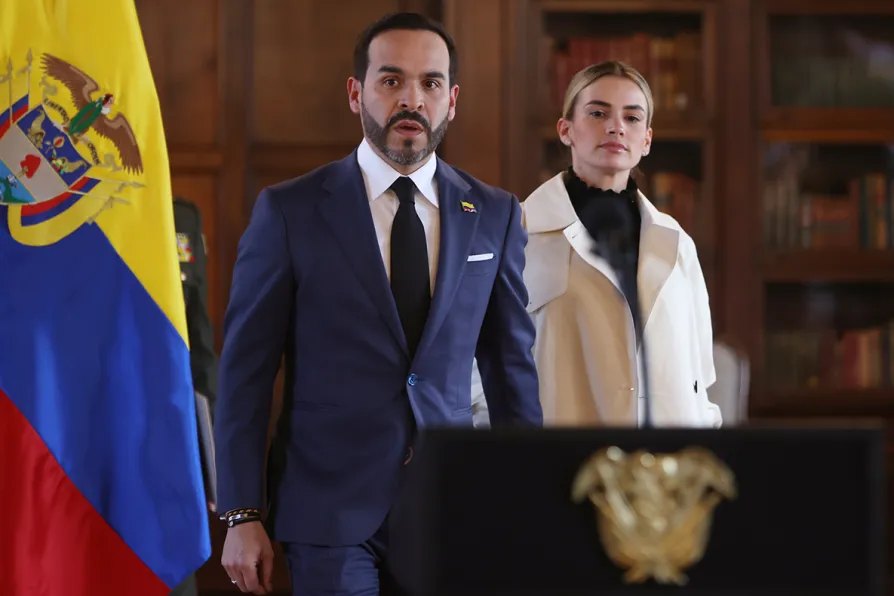
The disputed election of a far-right president, who is also a US citizen, signals further consolidation of Washington’s regional power and represents a threat to the country’s democracy and sovereignty, writes WT WHITNEY JNR
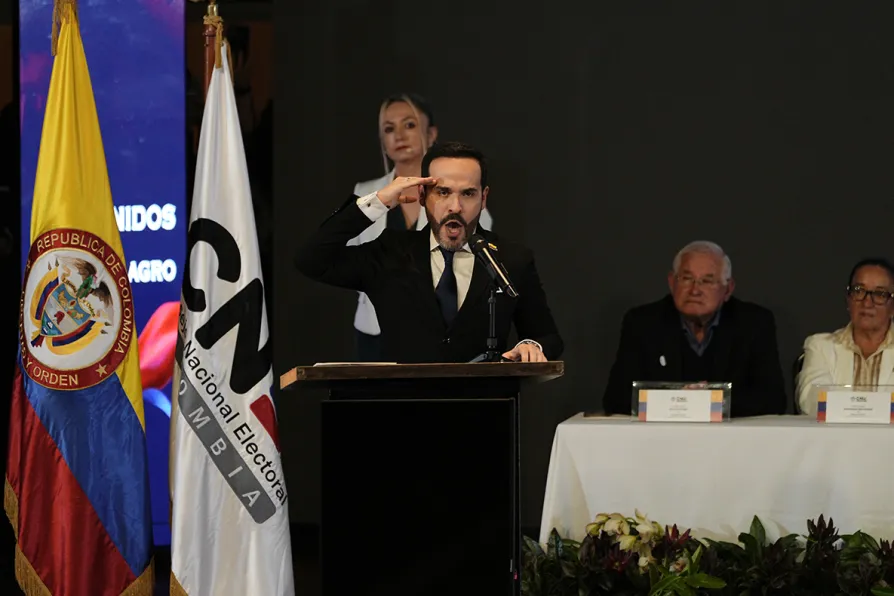
ENRIQUE SANTIAGO ROMERO says the Colombian far-right’s election victory is deeply suspect — and the United States has its fingerprints all over it
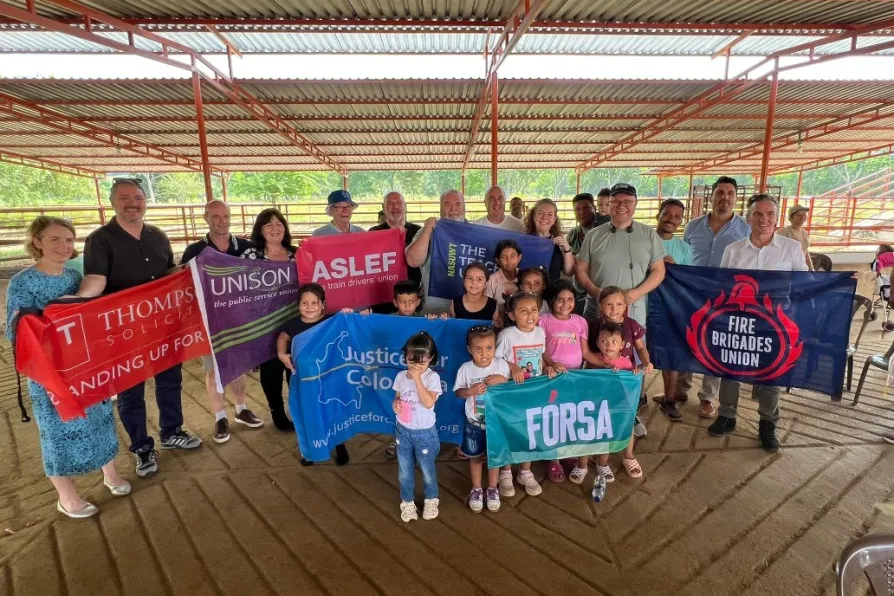
With Petro, Colombia has been making huge strides towards peace — but is all that at risk with the elections next year? MARK ROWE reports back after joining a delegation to the Latin American country
Colombia’s success in controlling the drug trade should be recognised and its sovereignty respected, argues Dr GLORY SAAVEDRA