Growing instability in the US economy and financial markets could have serious consequences worldwide because of the central role of the US dollar and financial system, argues MICHAEL BURKE


 Latest editorial

Semantics instead of treatment
The move away from an ‘illness’ to ‘personal responsibility’ puts the onus on the patient to find the answers, so they can get themselves better, writes Ruth Hunt
 Two solidarity messages by poet and mental health campaigner, Hussain are projected onto residential buildings

Despite Andy Burnham’s declaration defending the continued partition of the island, all major international and internal trends are converging to make Irish reunification inevitable
The left needs a bold energy vision – because if it fails to provide one, others will shape the future in their own interests, argues ALAN SIMPSON
From Margate to Deal, mining memories are being kept alive. National co-ordinator for General Strike 100, HENRY FOWLER continued his nationwide tour of partner organisations in the Garden of England
Humans are part of the ‘animal kingdom’ – and of nature in general – but also distinct from it and labour (work) is part of what makes us unique, declared Engels. His insights 150 years ago into how our species came to be and how we differ from the rest of nature, are as important today as they were then, says the MARX MEMORIAL LIBRARY
Boxes of books, family photos and heirlooms, labour movement anniversaries, along with nostalgic memories of glorious childhood days on the Ayrshire coast still leave room for a wistful MATT KERR to hope for a better future





THE demand for psychiatric services, including inpatient beds, is at an all-time high, but the capacity to treat such inpatients has not kept up, with some regions in the UK faring worse than others, the Royal College of Psychiatrists report from 2019 found.
This has resulted in the threshold for getting admitted increasing, leaving service-users who are unwell, including some people with a serious mental illness such as depression not meeting the threshold for admission.
These service-users might be offered therapeutic tools through Improving Access to Psychological Therapies (IAPT) and receive, for example, Cognitive Behavioural Therapy (CBT) or they might try to find a therapist, on a private basis, who can help them deal with their symptoms.

Similar stories
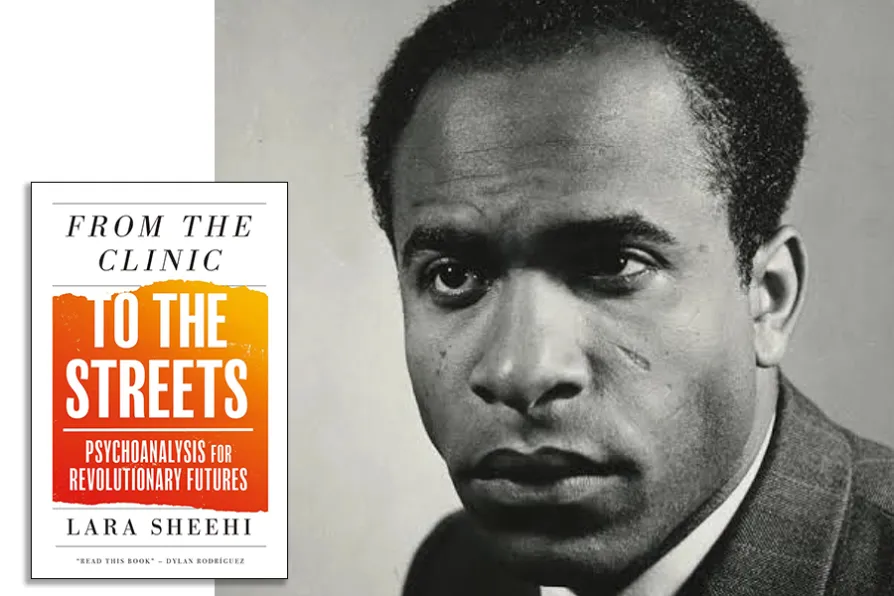
RON JACOBS recommends an important book that enhances the oppositional theories put forth by Fanon and, in doing so, remakes psychology itself

ANDY HEDGECOCK welcomes an entertaining, useful guide to the threats and promises of mathematical rationality
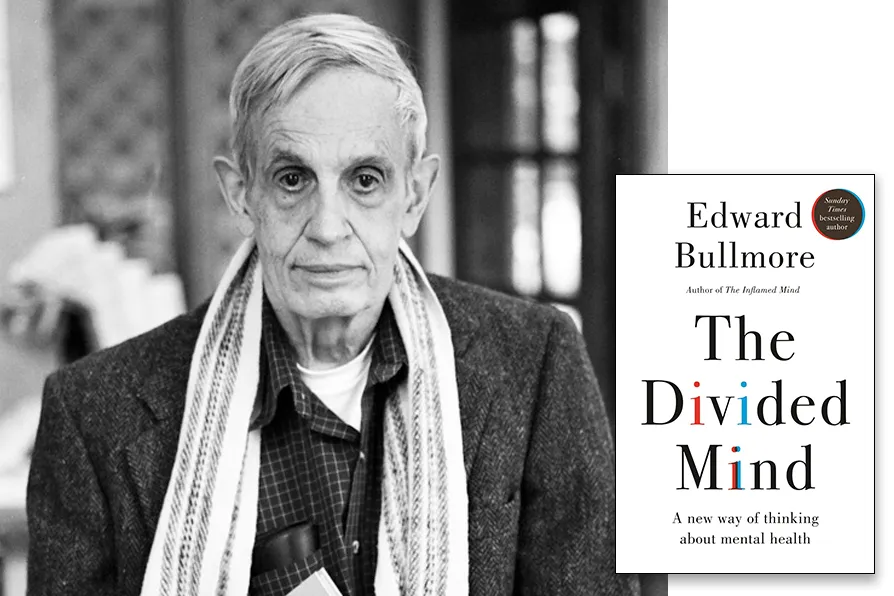
RICHARD SHILLCOCK examines an enjoyable, but philosophically conventional book, and urges Marxists to employ their capacity to embrace the totality in any explanation

JOSEPHINE BARBARO welcomes a diverse anthology of experiences by autistic women that amounts to a resounding chorus, demanding to be heard