APURBA CHATTERJEE explains how British artists in India used the “picturesque” to reshape colonial landscapes and celebrate imperial power


 Latest editorial

Lifting the stigma of schizophrenia
RICHARD SHILLCOCK examines an enjoyable, but philosophically conventional book, and urges Marxists to employ their capacity to embrace the totality in any explanation
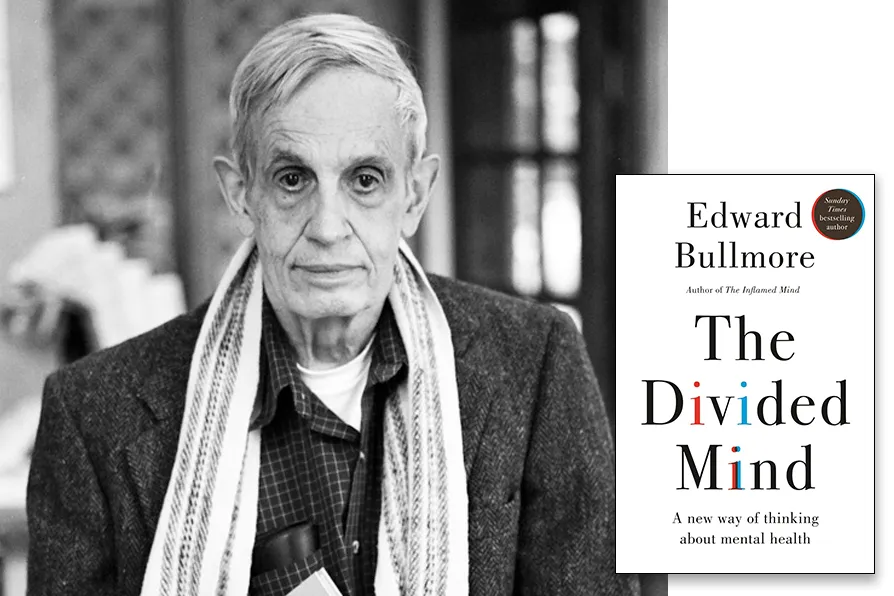 John Nash, an American mathematician and joint recipient of the 1994 Nobel Memorial Prize in Economic Sciences, had schizophrenia. His life was the subject of the 1998 book, A Beautiful Mind, by Sylvia Nasar. [Pic: Peter Badge / Typos1/CC]

PAUL DONOVAN welcomes a revival of Reginald Rose’s classic play that reminds us of the fundamental need for trials with juries
SIMON PARSONS applauds an exceptional performance of Wesker’s little-known play, by the same actor for whom it was written 45 years ago
ANDY HEDGECOCK and MARIA DUARTE review Late Fame, The Death of Robin Hood, Leviticus, and Gail Daughtry and the Celebrity Sex Pass
ANGUS REID recommends a uniquely accomplished documentary collage that contemplates our relation to the natural world
GORDON PARSONS enjoys Kant’s ‘mind-boggling’ theory of human reality: that we create the reality we experience





The Divided Mind: Uncovering Psychiatry’s Dark Past and Reimagining its Future
Edward Bullmore, New River, £20
EDWARD BULLMORE reviews the Western history of schizophrenia, from the perspective of his career as a British psychiatrist. He takes the reader through key scientific concepts in an accessible and clear manner. The story unfolds in historic time as the author honestly describes his own developing attitudes and insights.
The author’s main theme is the philosophical, theoretical and practical schism in Western psychiatry (in part, a legacy of Cartesian dualism) and in popular attitudes towards schizophrenia. We see this dualism in the separation of physical and mental health provision, and in functional (“purely mental”,”all in the head”) or organic (based on the physicality of the brain) theories of schizophrenia.
The key scientific message is that what we mean by “schizophrenia” has its roots in a large number of very small genetic contributions. We all carry them. They may all variously contribute — sometimes infinitesimally — to the experience of schizophrenia.
They operate most visibly via the immune system’s response to biological (eg infection) and social (eg abuse) trauma, from before birth and onwards. When schizophrenia presents — often from later adolescence onwards — it can be understood in terms of vulnerabilities in the brain’s patterns of connectivity.
The spectacular progress in the science of genetics has situated previous partial theories of schizophrenia within a bigger, better picture. We can now monitor the contents of our DNA much more widely across the human genome. Research teams have co-operated internationally to pool their data into much bigger samples of (Western) humanity. The same has happened with research into depression.
The key political messages are: first, that we need to focus resources of all kinds on early child development, to do all we can to avoid biological and social traumas.
Second, we need to be aware of — and memorialise — the psychiatric genocide of some 290,000 patients under the Nazis. Psychiatric theorising foreshadowed this genocide and psychiatrists were personally and institutionally complicit in carrying it out.
Third, understanding that we all carry potential contributors to schizophrenia helps lift the stigma.
What can Marxists take from this enjoyable, but philosophically conventional book, beyond catching up on the science?
First, we see the role of the totality in any explanation. Everything potentially interacts with everything else. Our fuller scientific understanding of schizophrenia comes from recognising this.
Second, the author critiques dualism. Given this, we might reflect on his presentation of the conventional nature/nurture binary divide and the conventional response that there is also a gene/environment interaction.
“Environment” is here taken to be anything outside the DNA itself — in the cell, the organism or wider society. However, this view encourages a picture of the genes passively being influenced synchronically by the “environment.” A deeper, richer, more productive dialectic might be stasis (ie the DNA) versus movement (ie self-movement, activity); in the activity of the individual, their free will in actively engaging with the world and confronting the individual’s DNA with new aspects of the environment is based on the whole history of the individual.
Third is the interesting role of the individual in science. The author describes how in psychiatry particular individuals have been crucially influential — or not — in the direction and development of the field by virtue of their personal characteristics, attitudes and skills in particular circumstances.
Fourth, postwar US psychiatry focused on the psychoanalytic tradition. Partly this reflected the presence of Freudians in exile from Germany, but we might wonder if developed consumer capitalism itself helps drive the (philosophically idealist) all-in-the-mind understanding of people, given that North America has been the epicentre of subjectively defined identity culture more recently.
Finally, I didn’t read this book in a vacuum. I now know that the true toll of the trauma visited upon the young victims of the Gaza genocide will take decades to emerge.
Richard Shillcock can be contacted at richardshillcockp@gmail.com.

Similar stories
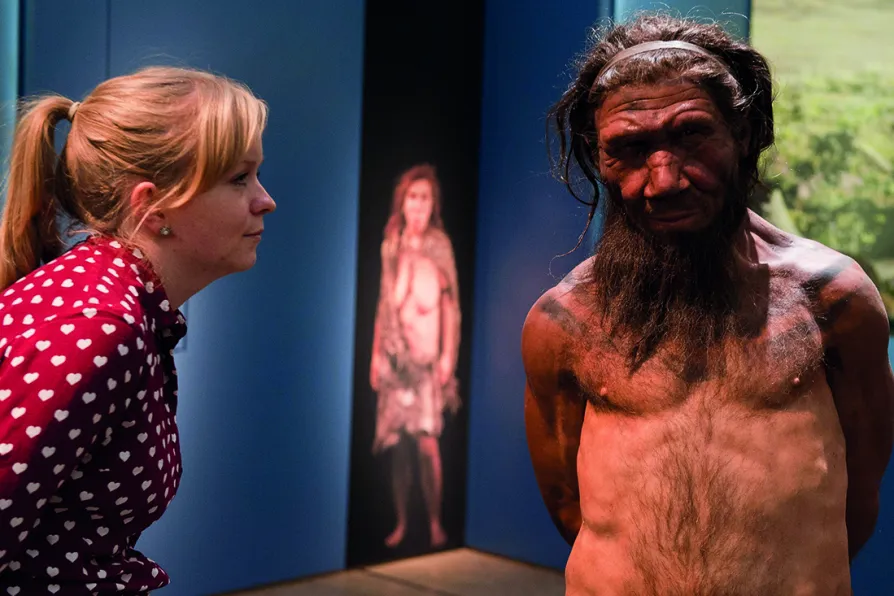
Humans are part of the ‘animal kingdom’ – and of nature in general – but also distinct from it and labour (work) is part of what makes us unique, declared Engels. His insights 150 years ago into how our species came to be and how we differ from the rest of nature, are as important today as they were then, says the MARX MEMORIAL LIBRARY

Nature as well as society works dialectically, asserts the Marx Memorial Library and Workers’ School
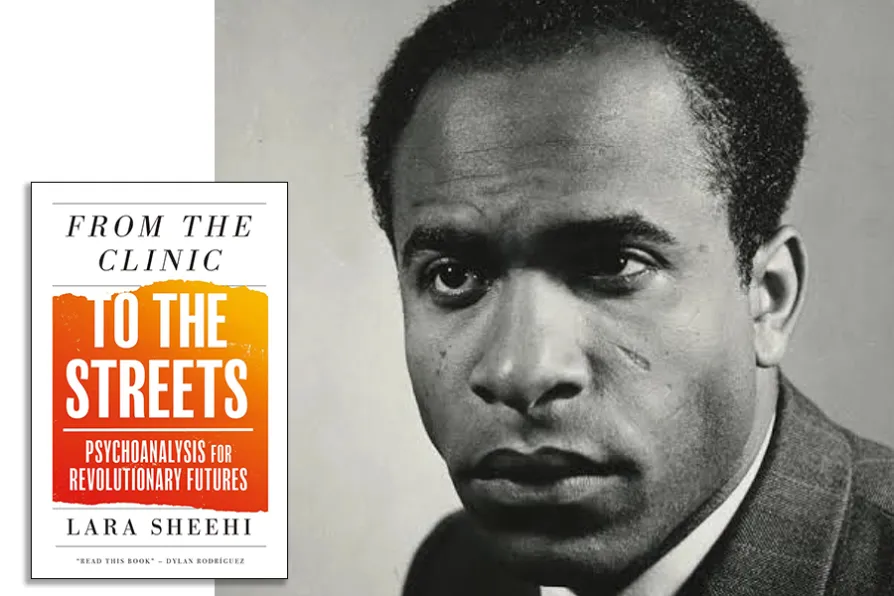
RON JACOBS recommends an important book that enhances the oppositional theories put forth by Fanon and, in doing so, remakes psychology itself
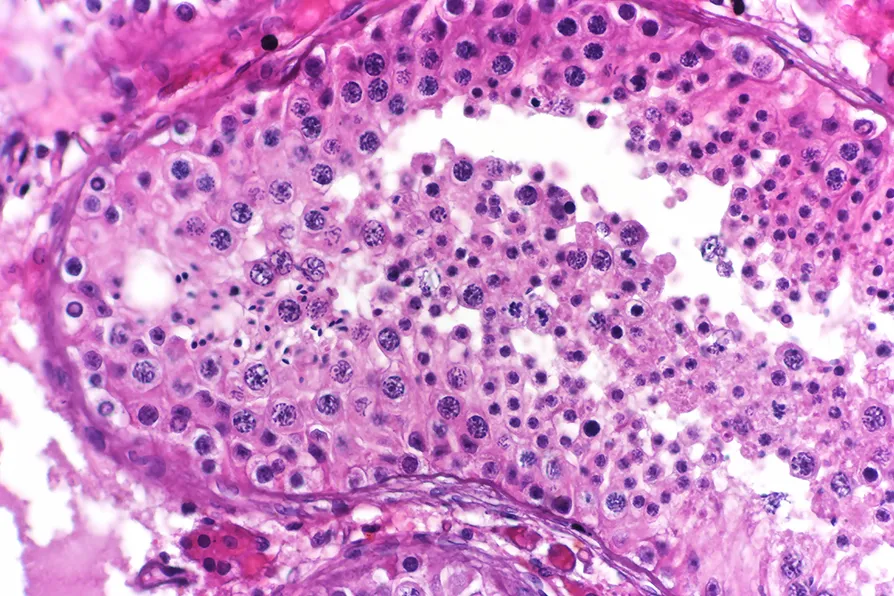
New research into mutations in sperm helps us better understand why they occur, while debunking a few myths in the process, write ROX MIDDLETON, LIAM SHAW and MIRIAM GAUNTLETT