
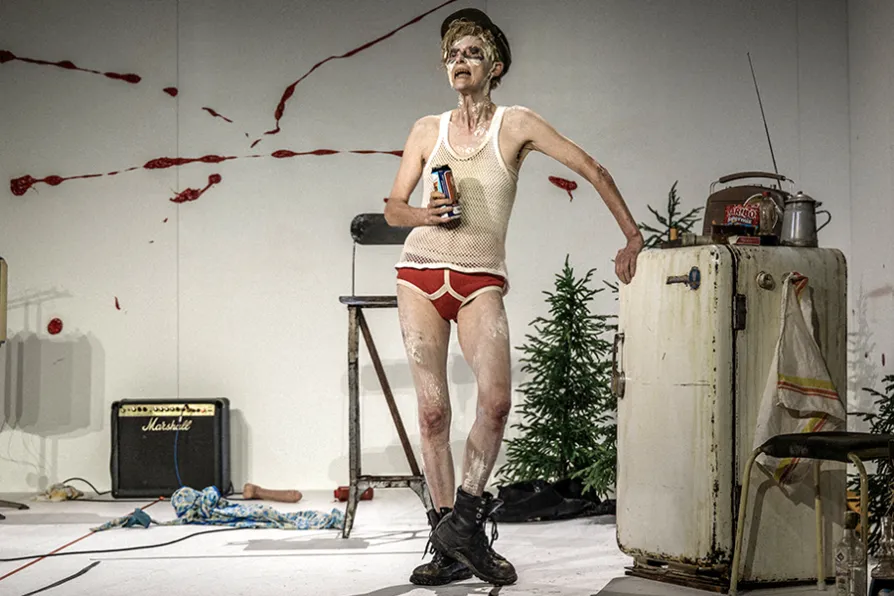
PETER MASON applauds the revival, 39 years later with the same team and cast, of Manfred Karge’s version of Brecht’s 100-year-old play, Mann Ist Mann

Beyond the grave
SETH SANDRONSKY savours a personal account of the life and thought of the great Italian revolutionary
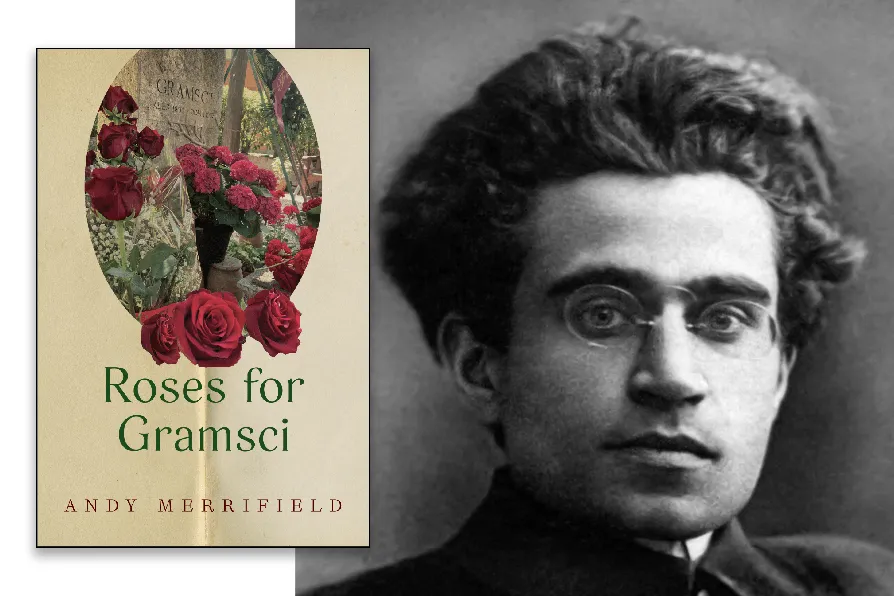
 Portrait of Antonio Gramsci aged around 30 in the early 20s [Pic: Public Domain]
MAYER WAKEFIELD applauds a fearless attempt to bring to the stage the 1984 toxic gas disaster in Bhopal, India
ALEX HALL applauds the account of a dogged, traumatic and punishing campaign for justice that has lasted from 1998 to the present day
NICK WRIGHT laments the political bias of an epic attempt to tell the history of the liberation of France from the Nazis, that excludes both the decisive contribution of the Soviet Red Army, and of the French communist party itself
JOE GILL traces the ideology and method of contemporary imperialism back to the greed, hubris and violence of the late 15th century Portuguese





Roses for Gramsci
Andy Merrifield, Monthly Review Press, £23.26
ANTONIO GRAMSCI, imprisoned under the fascist Italian dictator Mussolini between World Wars I and II, would have understood the popular appeal of Donald Trump.
Andy Merrifield’s new book presents a nuanced personal and political portrait of the late Sardinian activist and author that seamlessly demonstrates his cultural and theoretical significance. There is much to reflect on and savor in eight chapters.
In crisp and lyrical prose, Merrifield tells how he ended up spending time tending to the gravesite of Gramsci in Rome’s Non-Catholic Cemetery. This experience launches a journey to amplify the significance of a major figure of resistance to oppression. From Gramsci’s sickly childhood to his entry into economics and politics, Merrifield fleshes out the relevant actors and factors shaping that development.
Gramsci, one of six children of a hard-working single mother, endured no small measure of scorn for his diminutive stature from peers. I took from Merrifield that Gramsci developed his patience from his mother, a strength of character that helped him to survive an 11-year prison sentence. She was his emotional rock.
While imprisoned, Gramsci wrote his famous Prison Notebooks, a classic of revolutionary thought, for which Merrifield provides context, including the intellectual influence of Gramsci’s friend Piero Sraffa, the Marxist economist and colleague of John Maynard Keynes. Sraffa, along with Tatiana Schucht, Gramsci’s sister-in-law, provided the link to society outside the prison walls.
Gramsci’s idea of cultural hegemony, or how the ruling ideas dominate a society, builds on Marx’s notion of false consciousness, which derives from the ways in which the prices of commodities conceal the human labour contained in them. From Gramsci’s perspective, workers’ culture — past and current practices of labouring and living — are also factors in their attraction to powerful authority. It is a complex mix.
Ruling class ideas prevail in social institutions such as the church, the press and schools. With rare exceptions, it is indoctrination rather than education that rules the roost in this status quo.
As a communist, Gramsci was an internationalist, and Merrifield sheds light on his coining of the term “subaltern” to describe the indigenous inhabitants of imperial colonies. Gramsci was also a realist, writing about the “Southern Question” in Italy. The country’s southern region is primarily an agricultural economy, with a population less civilised, according to bigoted thinking. Ruling interests can and do exploit such differences for reasons of social control and exploitation of labour.
Such a cultural strategy of divide and conquer has a history in the US, and takes the form of patriarchy and white supremacy. The historical case of the American South and its role as the centre of slaveholding and the Confederacy’s “lost cause” returns as red state support for Trump now. Mobilising white workers under economic attack to fear and hate non-white labourers is a key feature of such rule.
The legacy of Gramsci speaks volumes. Merrifield introduces us to many people who pay their respects to the Sardinian original, leaving heartfelt notes and roses at his final resting place. Merrifield wraps up the book by ruminating on what Gramsci’s life might have been like if he had been free from imprisonment.
The author’s black-and-white photographs throughout bring a unique visual dimension to the book, although a table of contents and index would help readers to better navigate Merrifield’s literary ode. But Gramsci remains a thinker for our time, and this personal history helps us to understand his life of principled resistance to tyranny.
Seth Sandronsky is a Sacramento journalist and member of the freelancers unit of the Pacific Media Workers Guild. Email: sethsandronsky@gmail.com.

Similar stories
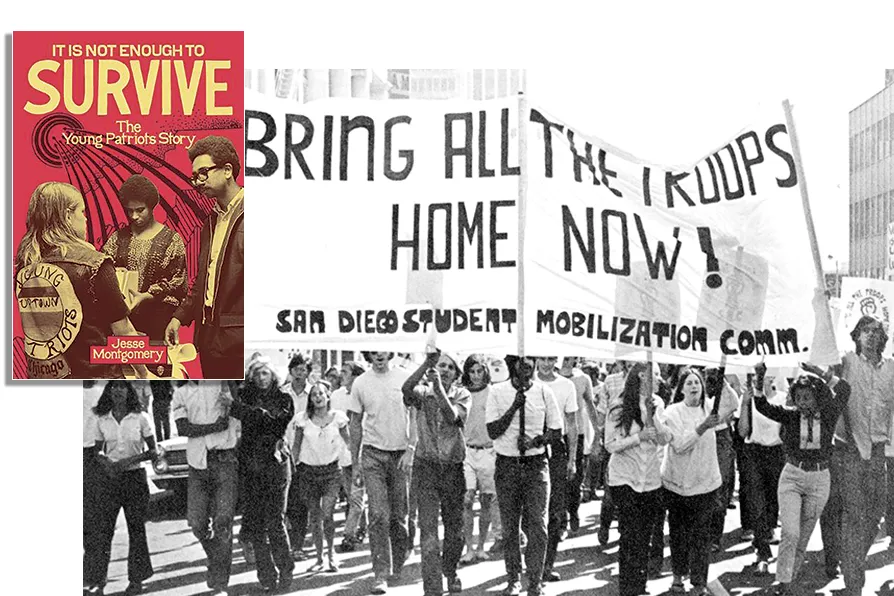
RON JACOBS welcomes a history of the Young Patriots Organisation that is also an organising manual with applications and implications for today

SETH SANDRONSKY recommends a Marxist critique of the ‘race-first’ views of the influential black US theorist Cedric Robinson
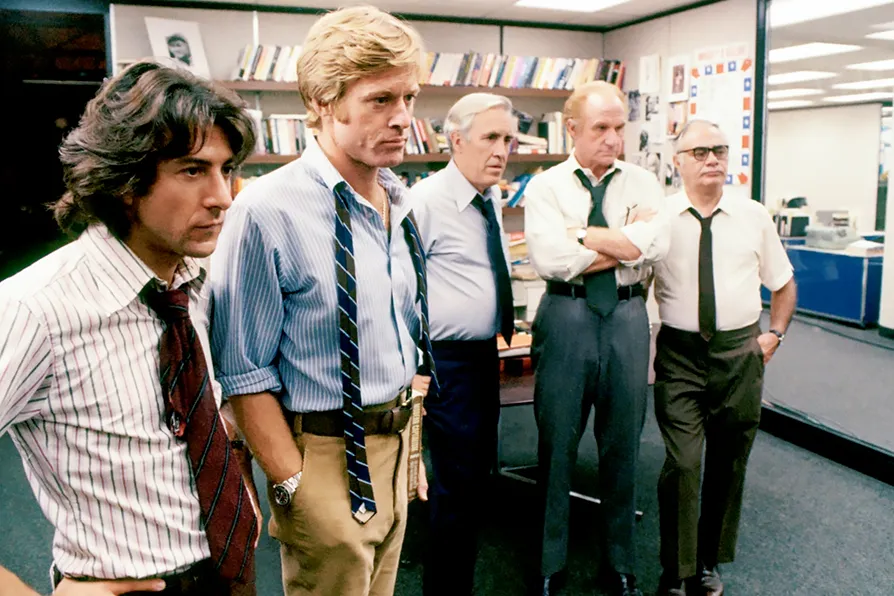
SETH SANDRONSKY recommends a production that looks back at the political Tinseltown in the mid-1970s when US cinema ‘didn’t pander to trends’
RICHARD SHILLCOCK examines an enjoyable, but philosophically conventional book, and urges Marxists to employ their capacity to embrace the totality in any explanation