
The US administration is endangering lives by reversing environmental protection laws, CHAUNCEY K ROBINSON argues

Silencing the guns, not the women: building peace and security in the Sahel, Horn and Great Lakes regions
As the world marks International Women’s Day, African women warn that wars, mineral grabs and militarism are drowning out promises of peace. Human rights defender MARIE-CLAIRE FARAY explains
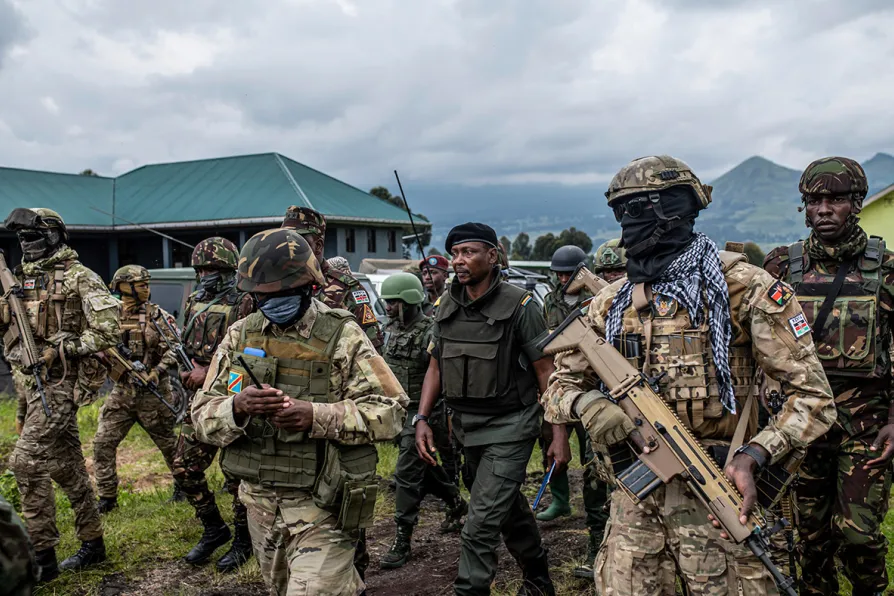
 Surrounded by members of the Kenya Defence Forces (KDF), Willy Ngoma, spokesman of the M23 (centre) arrives for a ceremony to mark the withdrawal from their positions in the town of Kibumba, in the eastern of Democratic Republic of Congo, December 23, 202
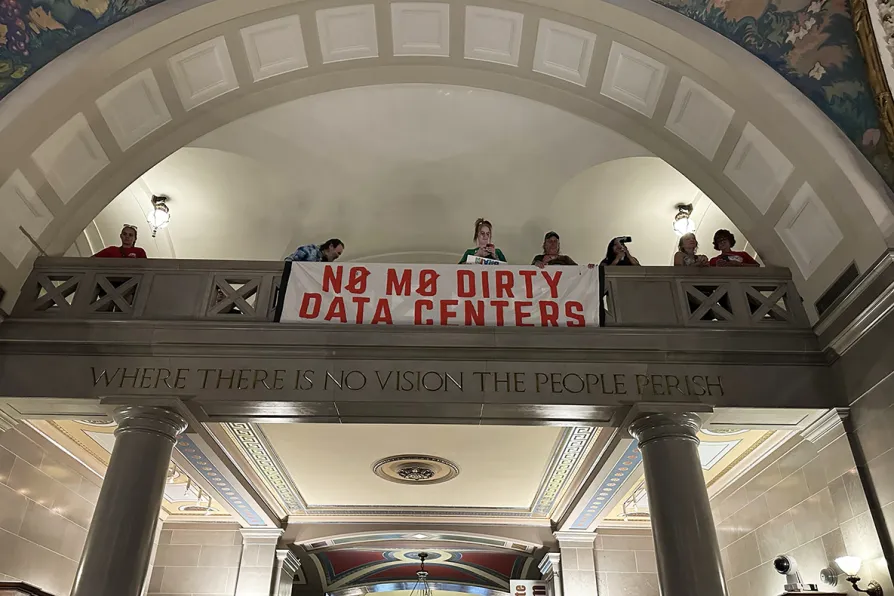
It’s time to stop retreating and go on the offensive to promote working-class interests, argues DOUG NICHOLLS
Marco Rubio wants to defeat socialism in Nicaragua, not restore ‘democracy,’ writes JOHN PERRY
Believe it or not, there was a time when the US government built beautiful homes for working‑class Americans to deal with a housing shortage, writes ERAN BEN-JOSEPH
DIANE ABBOTT provides an analysis of the reasons for EU and British voters’ dramatic swing to the right
Train drivers’ union Aslef general secretary DAVE CALFE speaks to Ben Chacko about his hopes that Burnham’s devolution agenda will include the importance of the railway





AS WE mark International Women’s Day on March 8, UN Women announced 2026 theme: “Rights. Justice. Action. For ALL women and girls.”
Congo women are reiterating a call for the African Union’s “Silencing the Guns” initiative. This campaign was introduced in 2019, a flagship drive of the AU’s agenda 2063, which aspires to end all wars and conflict, prevent genocide and stop gender-based violence.
Unfortunately, ongoing armed conflicts and the military scramble for resources in Africa, particularly in the Sahel, the Horn and Great Lakes regions, have created an environment of human insecurity and violence that is silencing, excluding, abusing, dehumanising, condemning and killing women and girls.
Although the UN adopted security council Resolution 2457(2019) endorsing the AU’s initiative to end violent conflicts in Africa, sadly, instead of promoting international laws and defending multilateralism, it seems that an economic war for Africa’s strategic minerals, waged by the permanent members of the UN security council, has now openly unfolded.
This is shaping the mineral geography of the energy transition, determining whether Africa’s central and Great Lakes regions’ vast deposits in the copper belt move through the controlled Atlantic gateway or the controlled Indian Ocean corridor, disregarding that those who are dying, being exploited and abused are human beings.
In 2000, the UN security council adopted Resolution 1325, the cornerstone of the current global Women, Peace and Security (WPS) Agenda that rests on four pillars: Prevention, Protection, Participation, and Relief-Recovery.
These interconnected pillars aim to improve peace negotiations, prevent violence against women, and ensure gender-responsive support before, during and after conflicts.
On the African continent, the global WPS agenda is domesticated through several regional legal instruments, the regional and country-level gender policies, adopted gender declarations as well as national action plans that guide their gender-mainstreaming programmes in peace processes.
However, despite all these legal frameworks and eloquently elaborated programmes on women’s human rights, different forms of discrimination and violence against women are endemic and continue to characterise the African landscape, due to lack of implementation of laws and denial of justice at various levels. Many countries in the region are failed or fragile states because of ongoing armed conflicts, disruptive political cycles of illegitimacy and illegality that persist on the continent.
Many countries in Africa have signed important international agreements and regional programmes aimed at combating the illicit manufacturing, trafficking, possession and use of small arms and light weapons. However the Sahel, Great Lakes and Horn of Africa regions are experiencing intense turmoil, showing the internationalisation of conflicts, driven by a convergence of militant insurgencies, military coup d’etats, military regimes, martial laws and tensions between neighbouring countries.
Millions of grassroots African women feel let down by an elite of African leaders who are wasting public resources on sophisticated arms (lethal autonomous weapons systems) for military security for maintaining their regimes, instead of human security for their populations, public infrastructures and resources for healthcare, education, agriculture, energy and housing, as well as for disregarding prevention of violence as well as elimination of discrimination against women and girls.
Women are denouncing the scramble for resources, such as in central Africa, where the US, Britain and EU are backing the rehabilitation and expansion of the Lobito Corridor to the Atlantic Ocean, as an export route for strategic minerals such as copper, cobalt and nickel, while China is seeking to maintain and expand its eastward Belt and Road Initiative routes to the Indian Ocean.
In the Sahel, Russia has gained influence, particularly through control of uranium and gold-rich areas, ejecting French forces and challenging Western influence. The Horn of Africa remains highly volatile, with ongoing proxy wars backed by some permanent members of the UN security council and Middle Eastern influences, affecting regional stability. All these regions face a scramble for resources from multinational corporations breaching OECD guidelines and exacerbating local conflicts.
In all these regions of Africa commercial entities and state security forces focus on supporting and protecting regimes’ survival through armed force, often resulting in high military spending for mercenary groups and private security entities to operate across the continent, contributing to great human insecurity.
In many contexts, state military apparatuses and security services have become sources of insecurity through repression of citizens and misuse of the justice system, hence silencing women due to fear of the security forces that often target human rights defenders. Armed groups impose strict discriminatory rules, and military regimes suppress opposition groups and activists, causing widespread humans rights abuses.
Despite the ongoing challenges, the majority of African women will not be deterred and will continue to stand together and vigorously resist for their wellbeing, as well as that of their children as they seek to build a better world.
For International Women’s Day 2026, the focus is on the urgent call to address the ongoing cycles of breaches of international laws, illegitimacy and illegality, the alarming support for militarism and armed conflicts and its disproportionate impact on women and girls.
We demand meaningful participation of women, rather than token inclusion of women in peace negotiations to end wars, for prevention as well as full protection from all forms of violence, including sexual violence, and for states’ accountability.
To support the DRCongo Centre for Women Peace and Security, please send an email to Women of a Common Cause, womenofacommoncause@gmail.com.
Marie-Claire Faray (UK/DRCongo) is a survivor, grandmother, research scientist and women’s human rights defender.

Similar stories
Women’s fight against violence and legal erosion is central to building a democratic and just Iraq, says Dr SALMA SAADAWI
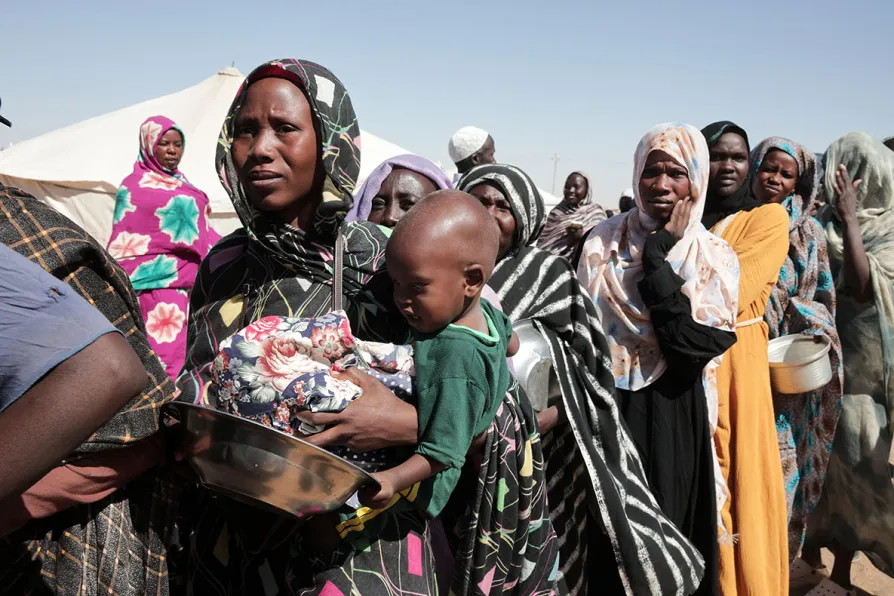
MAISSON HASSAN highlights how amid bombed-out cities and collapsing hospitals, women-led initiatives are keeping communities alive
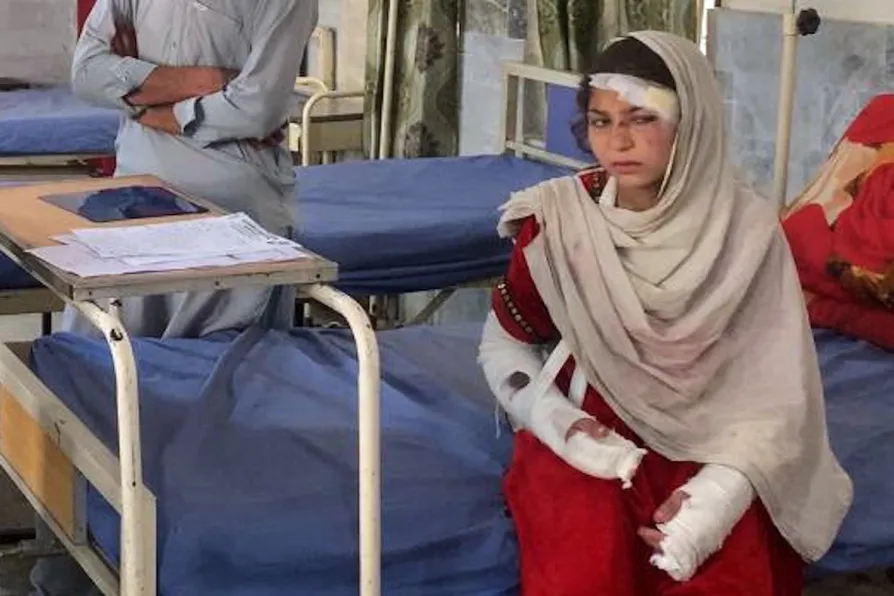
Afghan women living under the Taliban are navigating a system that makes their public existence conditional on male approval, writes SHUKRIA RAHIMI
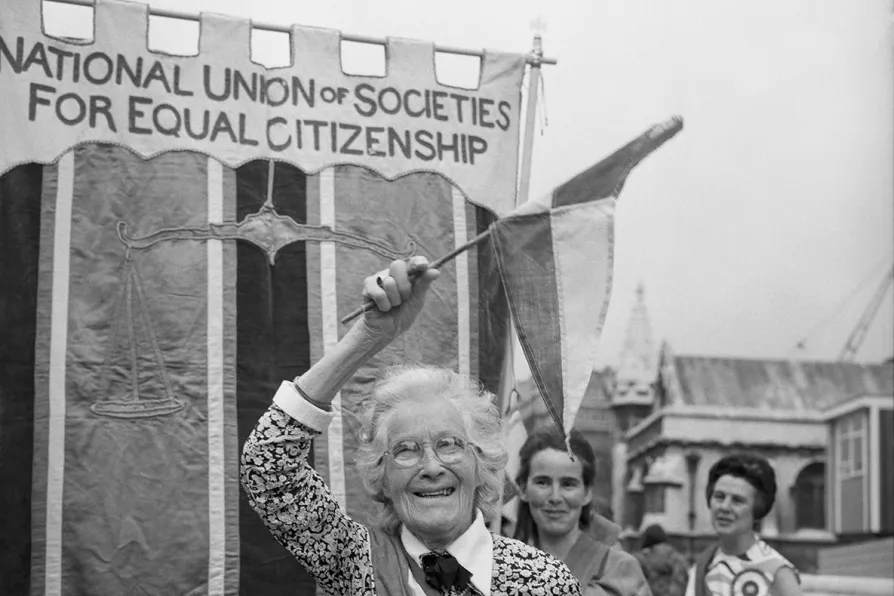
Half a century after transformative laws reshaped Britain, women’s rights are again contested. This International Women’s Day is a call to remember how change was won, and to organise to defend it, says KATE RAMSDEN