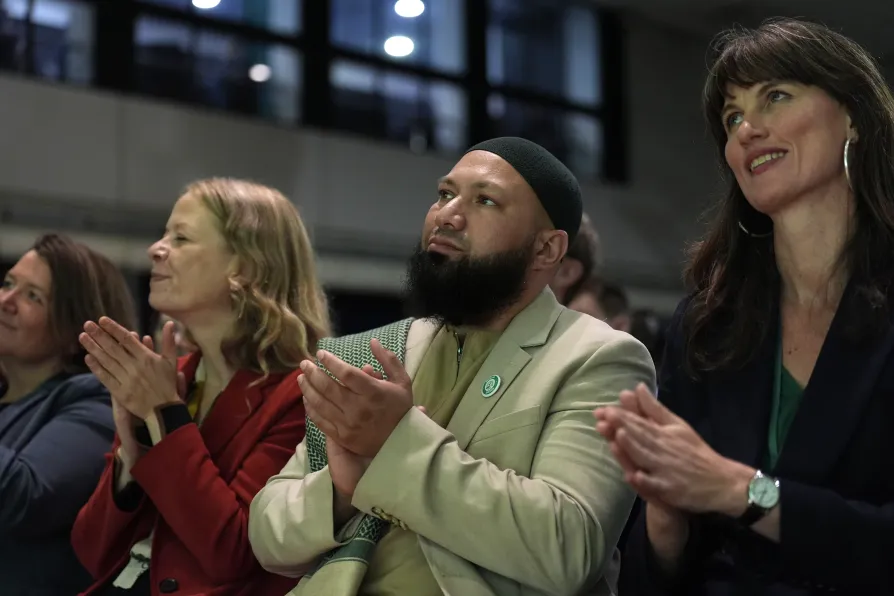
Green Party deputy leader MOTHIN ALI, who will speak at the International Anti-War Conference in London on June 20, says Britain needs to rethink its priorities – and its allies


 Latest editorial
Iran – a theocratic regime in existential crisis
Since the stage-managed and farcical presidential election in Iran on June 18, the dictatorial regime has lurched ever deeper into an ongoing crisis of epic proportions. JANE GREEN assesses the current situation
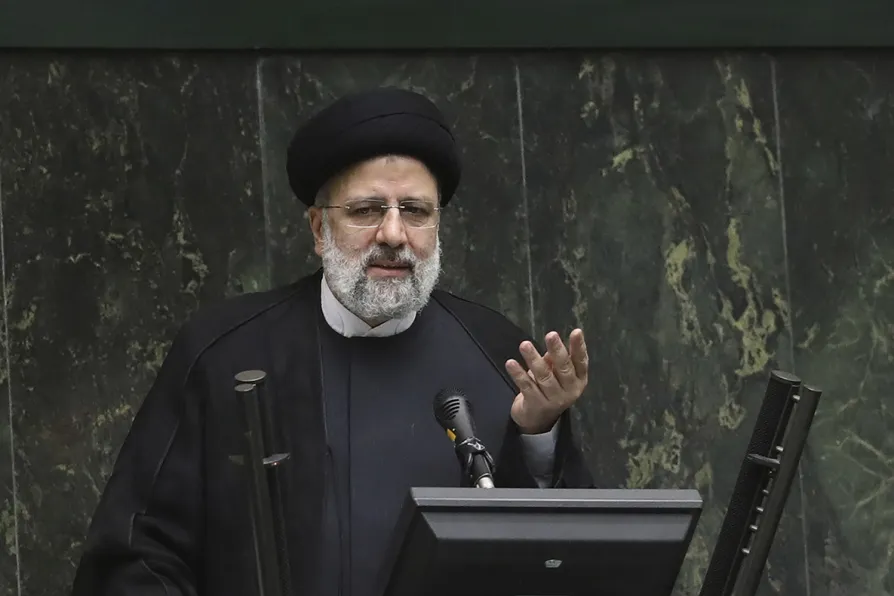 Iranian President Ebrahim Raisi speaks on his proposed ministers at the parliament, in Tehran, Iran, Saturday, August 21, 2021
From Global Counsel to Arden, SOLOMON HUGHES finds firms linked to discredited politicians are still calling the shots in Britain
KEVIN COURTNEY explains why Reform UK is no friend to workers or trade unions, but just another party of the super-rich
EMMA DENT COAD explains why she is stepping down from the council after 20 years and how the legacy of the fire still haunts the area
While international attention focuses on ceasefire frameworks, Israel is openly advancing plans for a permanent expansion of its control over Gaza, writes RAMZY BAROUD
Researchers PAUL HOLDEN and JESSICA MURRAY are calling for whistleblowers and documentary records to uncover how Labour Together helped build the parliamentary majority that now dominates the Labour Party





THE Iranian regime’s crisis of legitimacy has been consolidated with the confirmation in presidential office of Ebrahim Raisi, a notorious figure centrally involved in the 1988 mass murder of thousands of political prisoners in Iran.
Raisi came to office following elections where even official figures placed the turnout at just 42 per cent — the lowest by a long margin in Iran’s contemporary history. More than 6 per cent of those who voted spoilt their ballots.
The widespread contempt towards the theocratic regime among the vast majority of the Iranian population has been further underscored by a significant wave of industrial unrest in recent months.

Similar stories
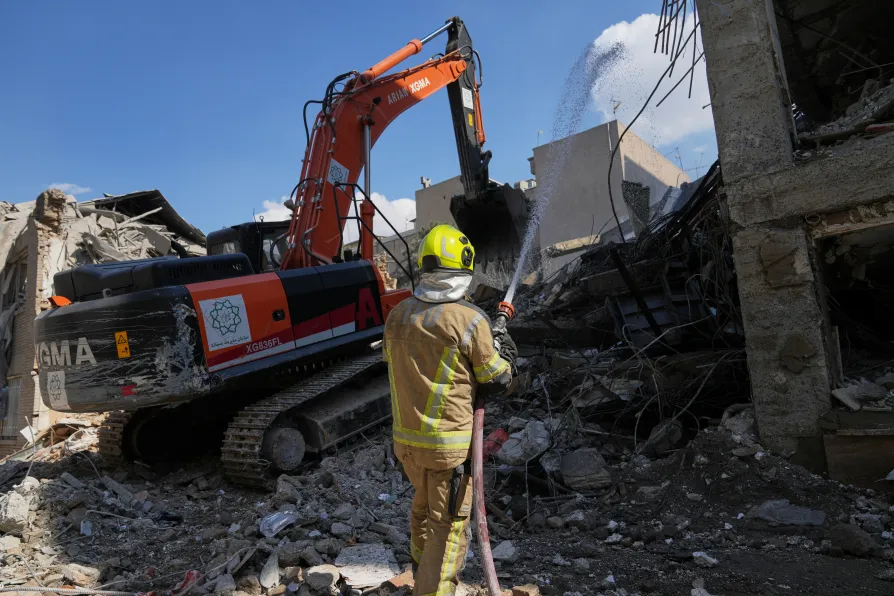
With attacks on industry, healthcare and education intensifying, JAMSHID AHMADI warns of a deliberate drive to cripple Iran and calls for urgent global action
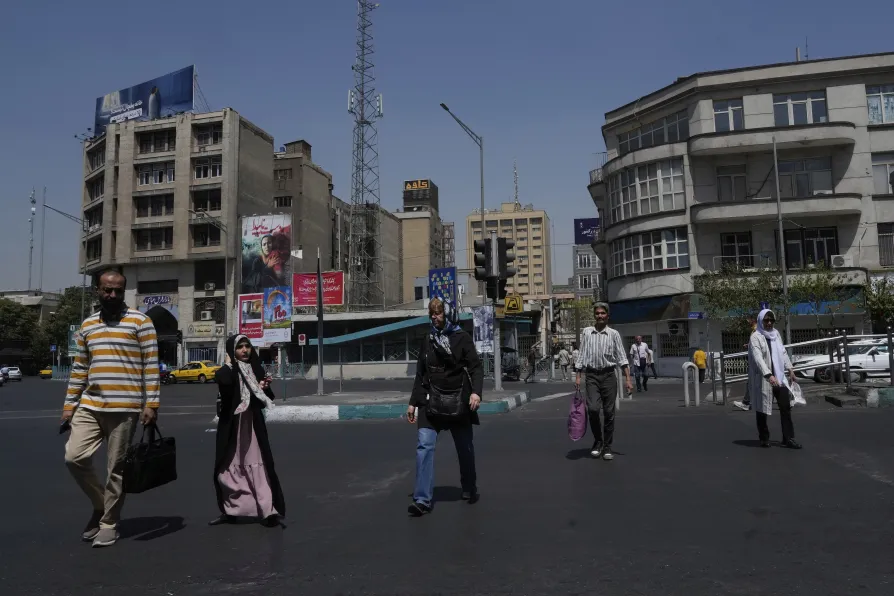
Payam Solhtalab talks to GAWAIN LITTLE, general secretary of Codir, about the connection between the struggle for peace, against banking and economic sanctions, and the threat of a further military attack by the US/Israel axis on Iran
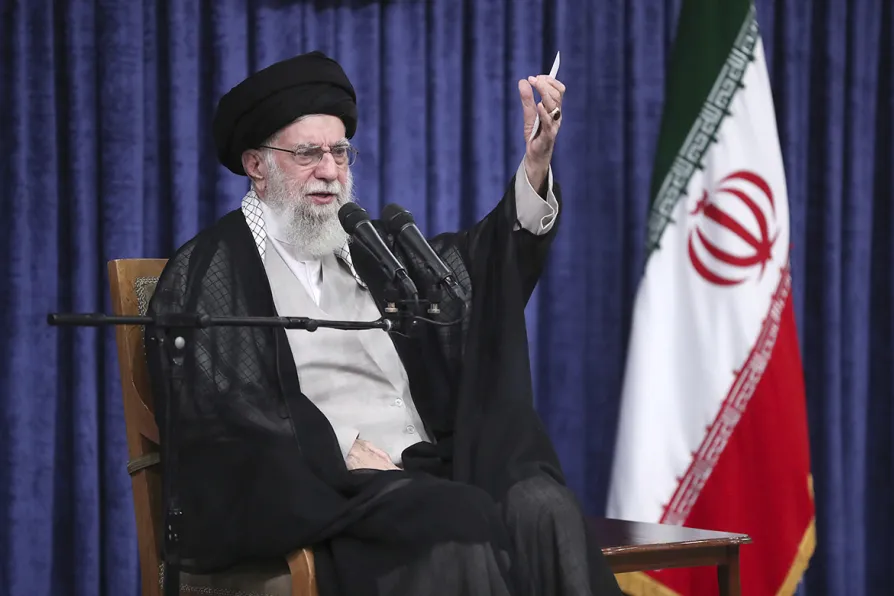
The Islamic Republic is attempting to deflect from its own failures with a scapegoating campaign against vulnerable and impoverished migrants, writes JAMSHID AHMADI
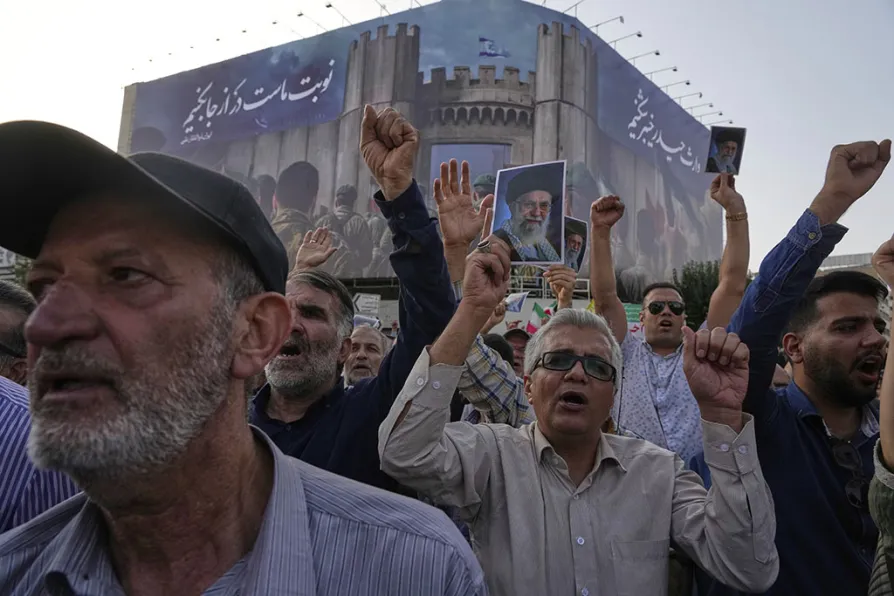
In the second of two articles, STEVE BISHOP looks at how the 1979 revolution’s aims are obfuscated to create a picture where the monarchists are the opposition to the theocracy, not the burgeoning workers’ and women’s movement on the streets of Iran