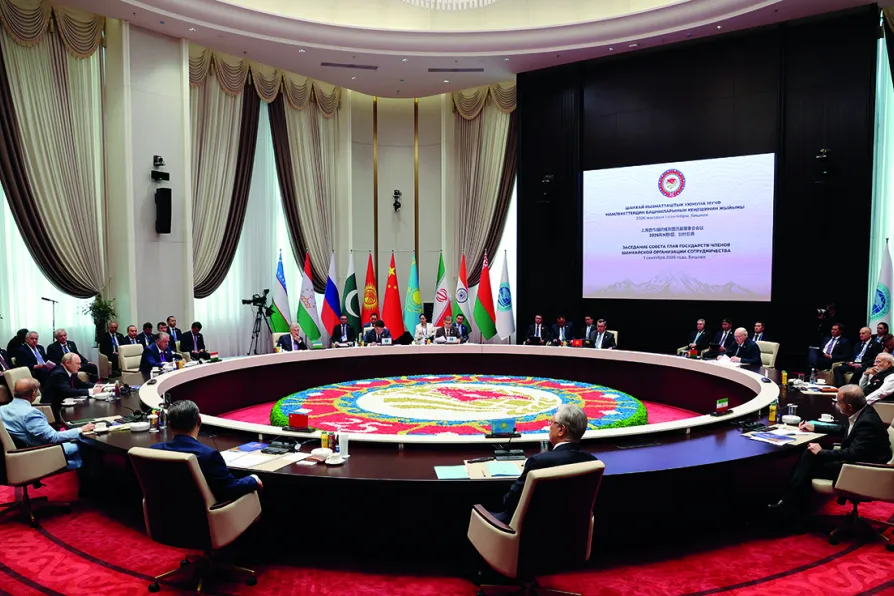
The 25th anniversary meeting of the Shanghai Co-operation Organisation in the Kyrgyz capital may offer a glimmer of hope that international relations do not need to be defined by endless confrontation, writes KENNY COYLE


 Latest editorial

Government spending and debt: a new approach
Introducing a new paper from Rebuild Britain, FAWZI IBRAHIM argues that it is high time for the working class to drop the Labour Party as its vehicle for change, and take economic matters directly into its own hands

The artist, who has just died, is embedded in the subconscious of the Palestinian people
The five young men killed in the A66 crash were responsible for a devastating tragedy — but the crash should force us to ask difficult questions about wider society, argues RENATA MEDEIROS MIRRA
Britain funds the policing of black culture 16 times better than the culture itself. The Diamond Jubilee is the moment to end that, argues CLAUDIA WEBBE
Despite Andy Burnham’s declaration defending the continued partition of the island, all major international and internal trends are converging to make Irish reunification inevitable
Humans are part of the ‘animal kingdom’ – and of nature in general – but also distinct from it and labour (work) is part of what makes us unique, declared Engels. His insights 150 years ago into how our species came to be and how we differ from the rest of nature, are as important today as they were then, says the MARX MEMORIAL LIBRARY
Committee for the Defence of the Iranian People’s Rights general secretary GAWAIN LITTLE discusses the impact of the US-Israeli war on the Iranian people and economy





IN his book, Imperialism: the Highest Stage of Capitalism, Lenin refers to imperialism as a “special stage,” “a very high stage of development,” “specific historical stage,” “the latest phase” and “the beginning of its transition to socialism.”
Imperialism, writes Lenin, is the stage of capitalism’s development in which “the dominance of monopolies and finance capital is established; in which the export of capital has acquired pronounced importance.”
Rarely does he refer to it as the highest stage — but, given the title of the work, it has invariably been interpreted literally, that capitalism can evolve no further for it has reached its zenith.
Whether this is what Lenin intended is irrelevant, for this approach has permeated the communist movement and the left in general, yet it has little Marxist merit. It implies that once that stage is reached (which Lenin dates back to the early 20th century), time stands still, capitalism’s internal contradictions disappear and with them any further evolutionary development. But what happens to the socialist embryo that is born within capitalism? Does that cease to evolve as well?

Similar stories
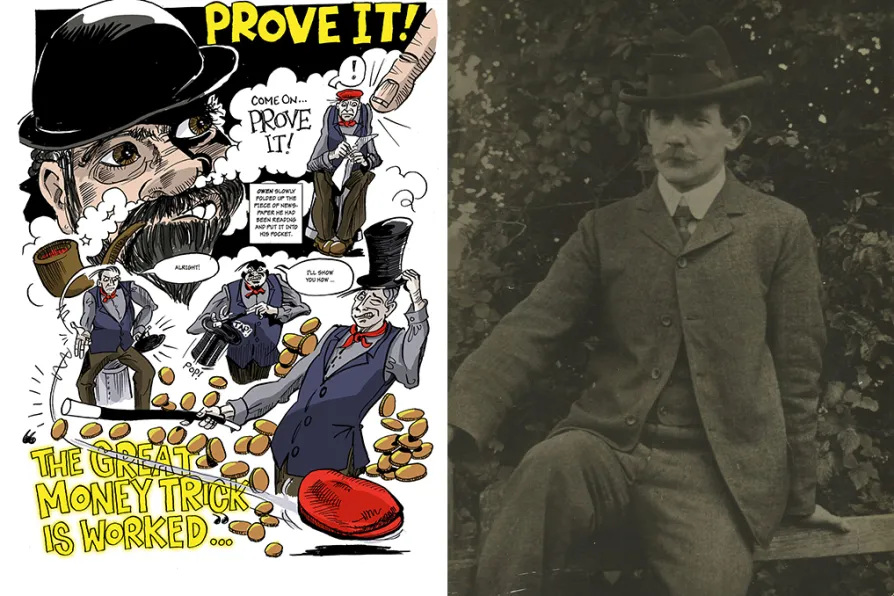
Renewed illusions in social democratic reformism are sprouting as a result of Andy Burnham’s rhetoric, but material conditions are already intruding into the debate, argues NICK WRIGHT

Elon Musk says AI will make work optional. The world of abundance he predicts actually spells the end of the capitalist system, argues FAWZI IBRAHIM

Only an ambitious programme of state-led investment can restore growth and improve living standards, argues MICHAEL BURKE
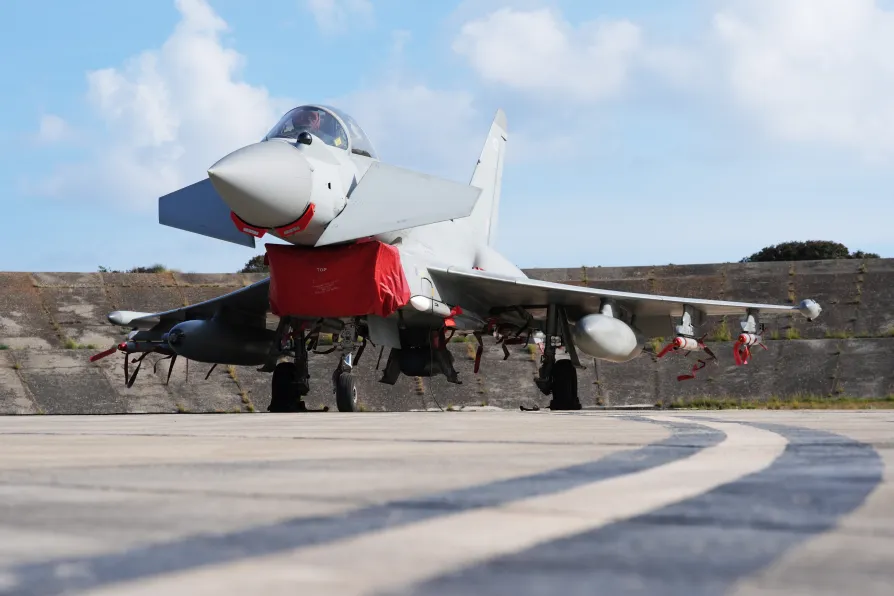
While politicians fixate on defence budgets, the real answers lie in peace-building and economic justice, says ALAN SIMPSON