Green Party deputy leader MOTHIN ALI, who will speak at the International Anti-War Conference in London on June 20, says Britain needs to rethink its priorities – and its allies


 Latest editorial
Human rights in Iran must be a British priority
Government policy on Iran will feature in a Westminster Hall debate led by John Howell MP on Wednesday. JANE GREEN considers where the emphasis should lie
From Global Counsel to Arden, SOLOMON HUGHES finds firms linked to discredited politicians are still calling the shots in Britain
KEVIN COURTNEY explains why Reform UK is no friend to workers or trade unions, but just another party of the super-rich
EMMA DENT COAD explains why she is stepping down from the council after 20 years and how the legacy of the fire still haunts the area
While international attention focuses on ceasefire frameworks, Israel is openly advancing plans for a permanent expansion of its control over Gaza, writes RAMZY BAROUD
Researchers PAUL HOLDEN and JESSICA MURRAY are calling for whistleblowers and documentary records to uncover how Labour Together helped build the parliamentary majority that now dominates the Labour Party





THE policy of the British government towards Iran was summed up by Middle East Minister James Cleverley in the House of Commons on November 3 this year when he said: “Our priority remains to prevent Iran from acquiring nuclear weapons capability, to promote stability and security in the region, to secure the release of all our dual national detainees, and to keep the diplomatic door open for new talks with Iran.”
The focus of Britain’s attention is the Joint Comprehensive Plan of Action (JCPOA), generally known as the Iran nuclear deal, from which the United States withdrew unilaterally in May 2018, as part of the Trump administration’s policy of confrontation with Iran and exerting maximum pressure on the Islamic Republic.
Before the US unilaterally withdrew from the deal there was no evidence, based upon IAEA inspections, that Iran was not complying with the terms of the agreement. The US President-elect Joe Biden has stated his intention to rejoin the agreement, on the basis of Tehran’s strict compliance, and to work with European allies to strengthen and extend the deal.

Similar stories

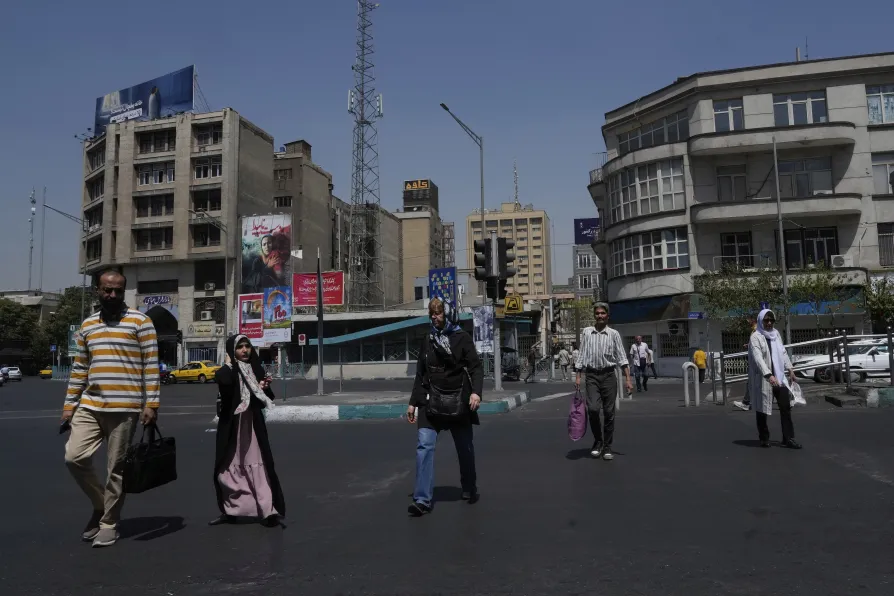
Payam Solhtalab talks to GAWAIN LITTLE, general secretary of Codir, about the connection between the struggle for peace, against banking and economic sanctions, and the threat of a further military attack by the US/Israel axis on Iran
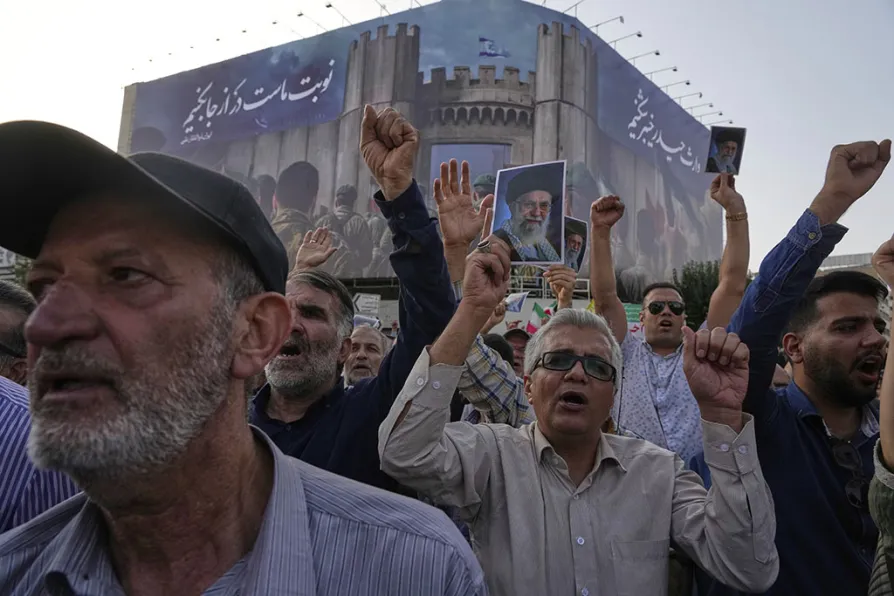
In the second of two articles, STEVE BISHOP looks at how the 1979 revolution’s aims are obfuscated to create a picture where the monarchists are the opposition to the theocracy, not the burgeoning workers’ and women’s movement on the streets of Iran
In part one of two articles, STEVE BISHOP exposes blatant lies of the warmongers who demand ‘unconditional surrender’ from Iran using the excuse of nuclear weapons, when it is Israel that blatantly disregards international law