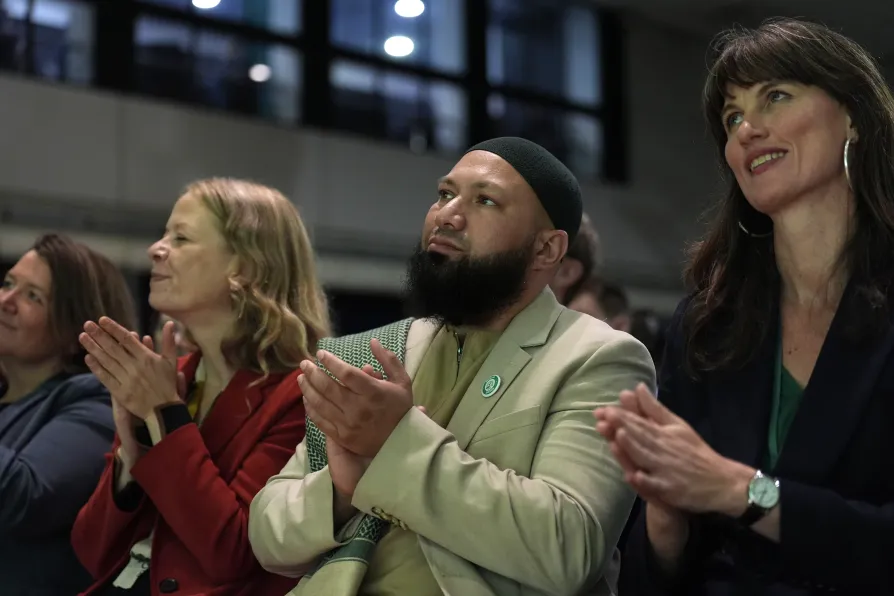
Green Party deputy leader MOTHIN ALI, who will speak at the International Anti-War Conference in London on June 20, says Britain needs to rethink its priorities – and its allies


 Latest editorial
40 years on the struggle for justice continues in Iran
On the 40th anniversary of the Iranian revolution are the hopes of the Iranian people for peace, freedom and democracy any closer to being realised? JANE GREEN considers the current prospects for change in Iran
 Unison, NASUWT, UCU and Amnesty International protest at the Iranian Embassy against the Iranian state’s treatment of workers
From Global Counsel to Arden, SOLOMON HUGHES finds firms linked to discredited politicians are still calling the shots in Britain
KEVIN COURTNEY explains why Reform UK is no friend to workers or trade unions, but just another party of the super-rich
EMMA DENT COAD explains why she is stepping down from the council after 20 years and how the legacy of the fire still haunts the area
While international attention focuses on ceasefire frameworks, Israel is openly advancing plans for a permanent expansion of its control over Gaza, writes RAMZY BAROUD
Researchers PAUL HOLDEN and JESSICA MURRAY are calling for whistleblowers and documentary records to uncover how Labour Together helped build the parliamentary majority that now dominates the Labour Party





AFTER 25 years of dictatorship under the Shah of Iran, the Iranian people finally freed themselves of the shackles of the Pahlavi dynasty in the national democratic revolution of February 11 1979.
While the figurehead for the opposition to the Shah was the exiled Islamic leader Ayotollah Khomenei, the revolution had the support of a broad spectrum of democratic forces, seizing the opportunity to bring democracy to Iran at long last.
Under the shadow of the Western-inspired Iran-Iraq war, which ran from 1980-88, the theocratic elements, which were only one part of the national democratic revolution, tightened their grip on power.
In draconian purges against those who opposed the establishment of an Islamic Republic, they arrested, tortured and exiled key sections of the left, effectively driving underground any opposition to the consolidation of the grip of the theocracy.
The early years of the Islamic Republic set the tone for the ongoing record of the Iranian regime in relation to human and democratic rights in general, and the rights of political and trade union activists in particular.

Similar stories
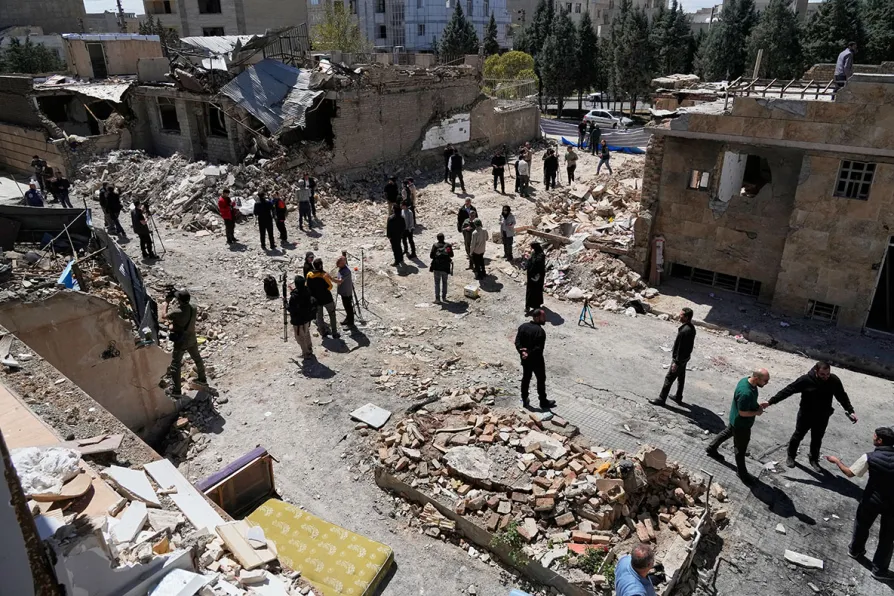
A packed fringe meeting at the National Education Union conference heard from Iranian teachers, campaigners and journalists
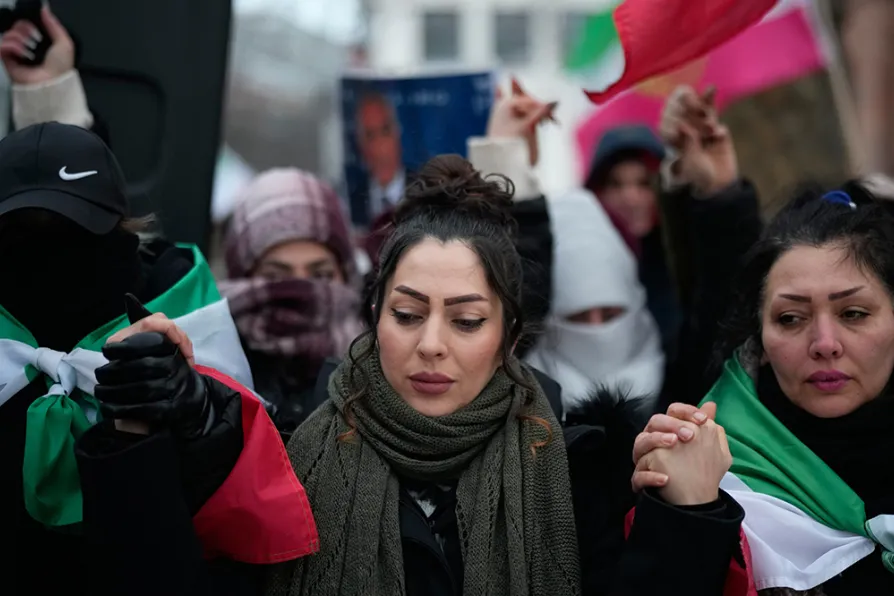
The Committee for the Defence of Iranian People’s Rights (Codir) welcomes demonstrations across Iran, which have put pressure upon the theocratic dictatorship, but warns against intervention by the United States to force Iran in a particular direction
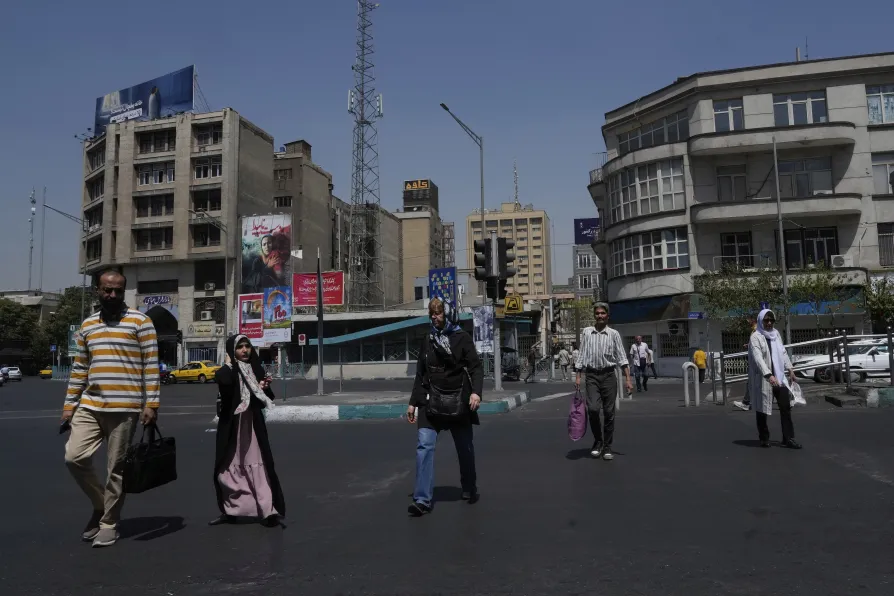
Payam Solhtalab talks to GAWAIN LITTLE, general secretary of Codir, about the connection between the struggle for peace, against banking and economic sanctions, and the threat of a further military attack by the US/Israel axis on Iran
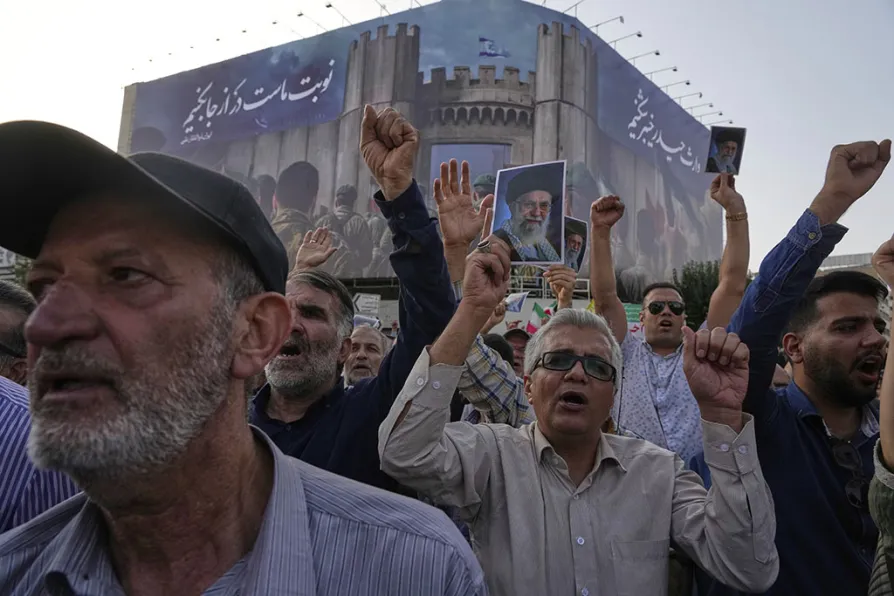
In the second of two articles, STEVE BISHOP looks at how the 1979 revolution’s aims are obfuscated to create a picture where the monarchists are the opposition to the theocracy, not the burgeoning workers’ and women’s movement on the streets of Iran