
After months of uncertainty over printing and distribution, the first Scottish-printed edition of the Morning Star is soon to roll off the presses


Equality is not conditional: why women must reclaim the fight
Half a century after transformative laws reshaped Britain, women’s rights are again contested. This International Women’s Day is a call to remember how change was won, and to organise to defend it, says KATE RAMSDEN
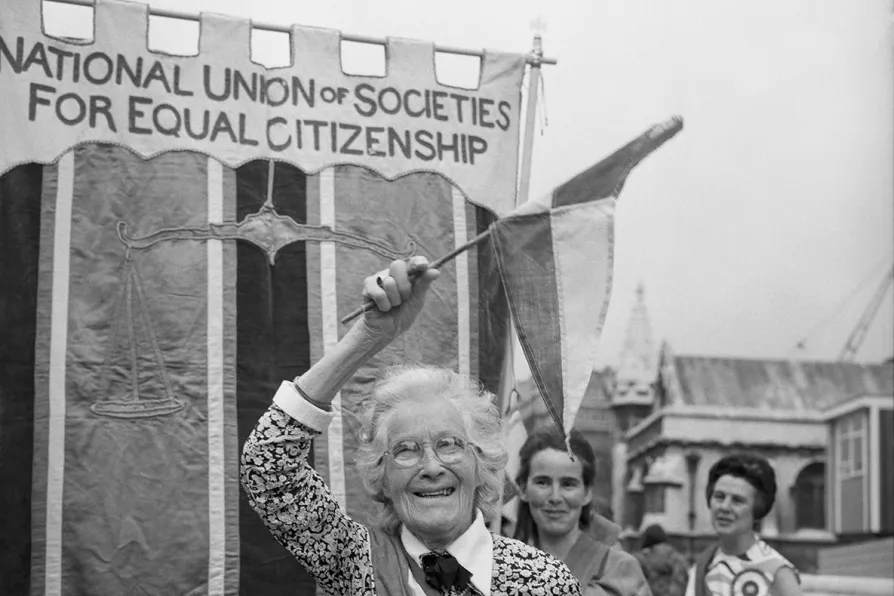
 Dame Margery Corbett Ashby, 91, one of the original suffragettes, at the House of Commons taking part in a delegation from women's organisations demanding the Anti-Discrimination Bill becomes made law without delay, June 1973
Some thinkers and authors on the right are openly discussing the possibility that the historically successful party of the British ruling class may be exhausted
Class struggle is the motor of history but the direction and detail of change at any time and place is the outcome of many factors, suggests the Marx Memorial Library and Workers’ School
Merseyside’s proud tradition of internationalism is being kept alive through events organised by trade unionists and allies in the region, writes ROBERT MACDONALD
JOHNNIE HUNTER reports from the German Communist Party’s (DKP) weekly Unsere Zeit (Our Newspaper)-organised Peace Days festival in Berlin last weekend
Les Preger was one of Manchester’s first volunteers to volunteer in support of republican Spain, writes his daughter JANEY PREGER
TONY BURKE surveys the shifting political landscape and the challenges Labour needs to address if it is to prevail in the 2028 federal elections





AS WE approach International Women’s Day the focus is on celebrating women’s achievements, raising awareness about women’s oppression and taking action to promote sex equality and women’s rights.
And there is no doubt that there have been achievements in women’s rights in Britain. Even as recently as the 1970s, sex-based apartheid was commonplace. Employers could lawfully refuse to hire women, could sack them if they got pregnant, could force them to resign if they got married, pay them less than men and cut their wages if they returned to work after having children.
Women and girls were banned from pubs, clubs and student unions. But change was on the way. A strong grassroots feminist movement including women trade unionists won two landmark pieces of legislation for women’s rights in Britain; the Sex Discrimination Act 1975 and the Equal Pay Act 1975. Both Acts established in law rights and protections for women from discrimination and sex-based disadvantage.
Other improvements followed driven by these left feminists, including the setting up of services for survivors of sexual violence, improvements in women’s healthcare and in maternity and employment rights.
I start with this because I think it’s important to recognise that change is possible. That it happened. And that it came about, not because women asked nicely but because we organised and fought hard for it.
But recently we see that women’s rights are being rolled back. As inequality rises in Britain and poverty spirals, women suffer the most. As the world becomes a more dangerous place with escalating tensions, illegal wars and state violence, women suffer the most. As male violence spirals, women are far and away most likely to be the victims.
Women’s sex-based rights under the Disability Discrimination Act, now incorporated into the Equality Act, including our rights to single-sex spaces, have come under attack from (among others) the very trade unions that were instrumental in winning these rights in the first place. Women who have stood up to defend these rights have been pilloried and silenced.
And much of the overt and subliminal messaging we see all the time in the social discourse, the mainstream media and social media is complicit in undermining women and our rights. Words matter. We are seeing our language altered: for example, sex becomes gender; prostitution becomes sex work — as if the purchase of women’s bodies as commodities could ever be considered work; and recently and shamefully the UN Committee on the Elimination of Discrimination against Women (Cedaw) described underage sex-trafficked girls as “minor sex workers.”
Even the official theme of International Women’s Day, “Give to Gain,” to me carries an implicit message that women are not just entitled to equality but should give to get it, presumably by being kind. It’s conditional.
Well, no! Women didn’t make gains in equal treatment and women’s rights by being nice. We recognised that women are a group whose labour power is devalued and that we suffer common disadvantages, injustices and male violence because of our biological sex. Standing in solidarity with other women is not about kindness. It’s about harnessing our collective power. We won our rights because we got together and kicked ass!
But many men don’t like that and especially not those who are rich and powerful. They will use any tool at their disposal to undermine women for their own ends.
The reporting of the Epstein Files and the subsequent arrests of men in the public eye is a good case in point.
Although we have known from a long time from personal testimonies that young and underaged girls were trafficked and sexually exploited and abused by rich and powerful men, the focus in the news is not on the victims and survivors of abuse but on breaches of national security.
As Dr Awino Okech, professor of feminist and security studies at SOAS, points out, “The focus of national security to the detriment of gender violence tells us whose dehumanisation we are collectively willing to look past to get to what we consider more important…”
And all of this messaging has an impact on girls growing up today. Recent deeply worrying research into female university students by Jane Fenton, of Dundee University, suggests young women are currently defining themselves as “victims,” as oppressed, and as very easily harmed. They feel powerless to change things in the patriarchal society in which we live and two thirds were reluctant to talk about at least one controversial issue, because they are fearful that their words will damage others.
So my message for International Women’s Day is that as women we need to speak out. We need to have courageous conversations; to break the silence and respectfully challenge the prevailing narratives that seek to undermine women’s hard-fought-for rights. To do that we need to stand together.
That’s where our Morning Star Women’s Readers and Supporters Group women-only webinars come in. They are an opportunity for women to come together in a safe space with others who share our lived experiences growing up female in a male-dominated world, to discuss issues of direct relevance to our rights from a class perspective, to analyse male power and how to challenge it.
Our next webinar is on March 17 from 7-8.15pm when we will hear from Mary Davis on “Why identity politics fails women.” All women are welcome and you can sign up here: tinyurl.com/RSGWomenAndClass.

Similar stories
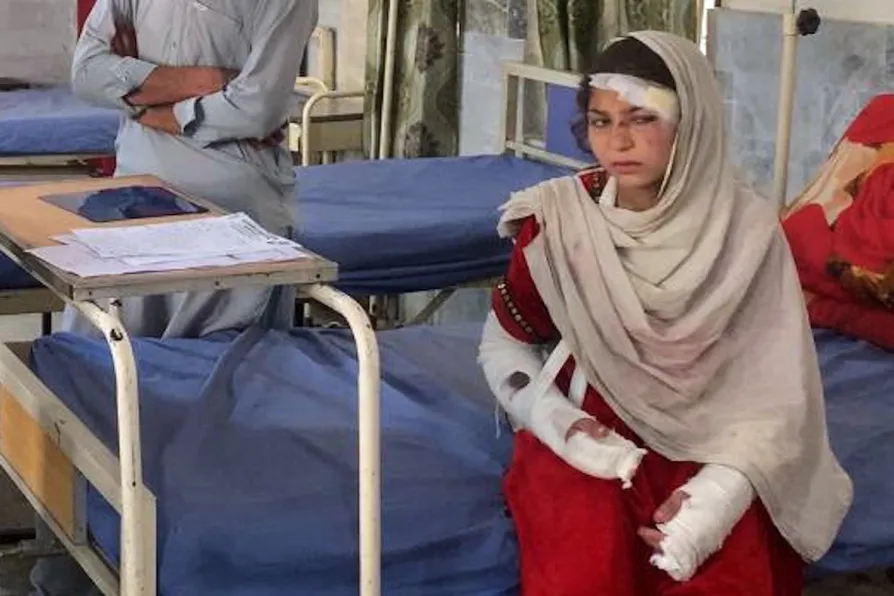
Afghan women living under the Taliban are navigating a system that makes their public existence conditional on male approval, writes SHUKRIA RAHIMI
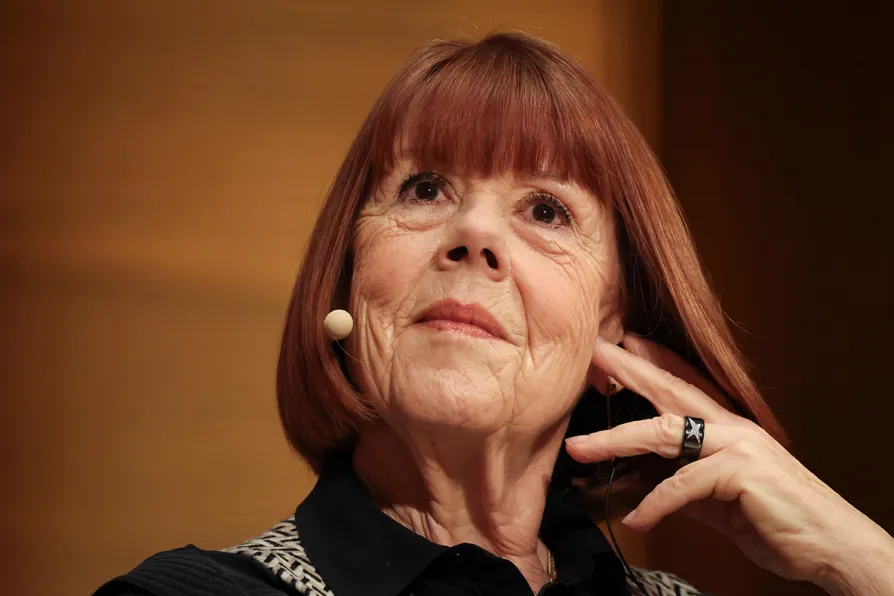
Gisele Pelicot said ‘shame must change sides.’ We may think we agree, but, argues LOUISE RAW, society still has some way to go
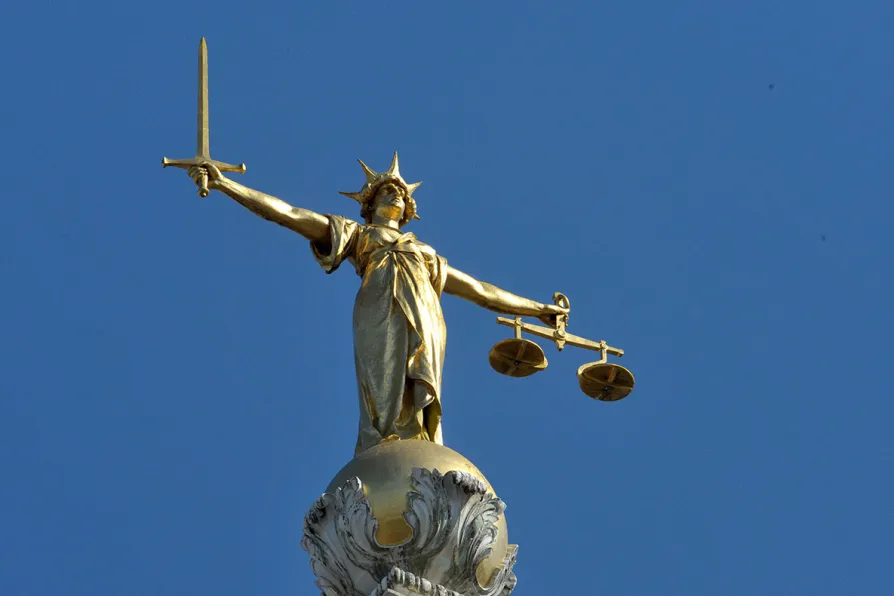
Legal frameworks designed to safeguard women are too often weaponised against them, reinforcing male power and entrenching injustice. The FiLiA Ending MVAWG Team highlight some of the issues
The legacy of socialist feminists such as Alexandra Kollontai challenges us today to confront an uncomfortable truth: framing prostitution as empowerment lets the abusers of the Epstein class off the hook, warns HELEN O’CONNOR