
The US administration is endangering lives by reversing environmental protection laws, CHAUNCEY K ROBINSON argues

Preserving Wapping: How the Marx Memorial Library is safeguarding a defining labour struggle
The newly catalogued News International Dispute Archive ensures the history of the Wapping dispute – and the solidarity it inspired – is preserved, accessible and alive for future generations, says MATT DUNNE
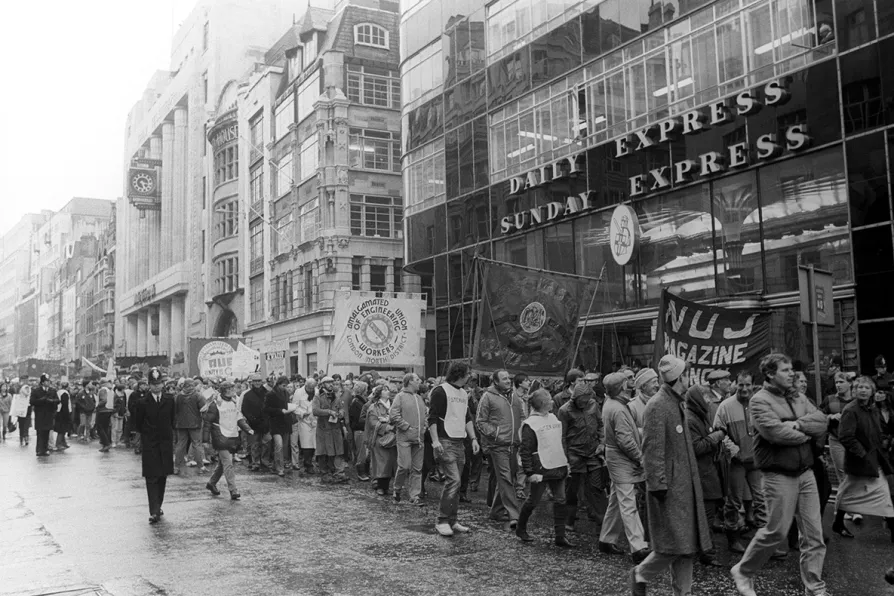
 Union members marching in Fleet Street on their way to the News International plant in Wapping, following a rally in Trafalgar Square in support of the print workers sacked in the dispute with Rupert Murdoch, April 6, 1986
It’s time to stop retreating and go on the offensive to promote working-class interests, argues DOUG NICHOLLS
Marco Rubio wants to defeat socialism in Nicaragua, not restore ‘democracy,’ writes JOHN PERRY
Believe it or not, there was a time when the US government built beautiful homes for working‑class Americans to deal with a housing shortage, writes ERAN BEN-JOSEPH
DIANE ABBOTT provides an analysis of the reasons for EU and British voters’ dramatic swing to the right
Train drivers’ union Aslef general secretary DAVE CALFE speaks to Ben Chacko about his hopes that Burnham’s devolution agenda will include the importance of the railway





NESTLED in the stacks of the Marx Memorial Library lies the one of the country’s most significant collections of historical material on the Wapping dispute.
The News International Dispute Archive was established out of an exhibition commemorating the 25th anniversary of the dispute by union members and their supporters.
Today it forms part of the library’s Printworkers’ Collection, one of our largest collections, documenting the history of workers’ organisation in the print and publishing industries and including material from chapels dating back to the 19th century, a large photo collection, several banners and historical items from some of the key disputes in the industry.
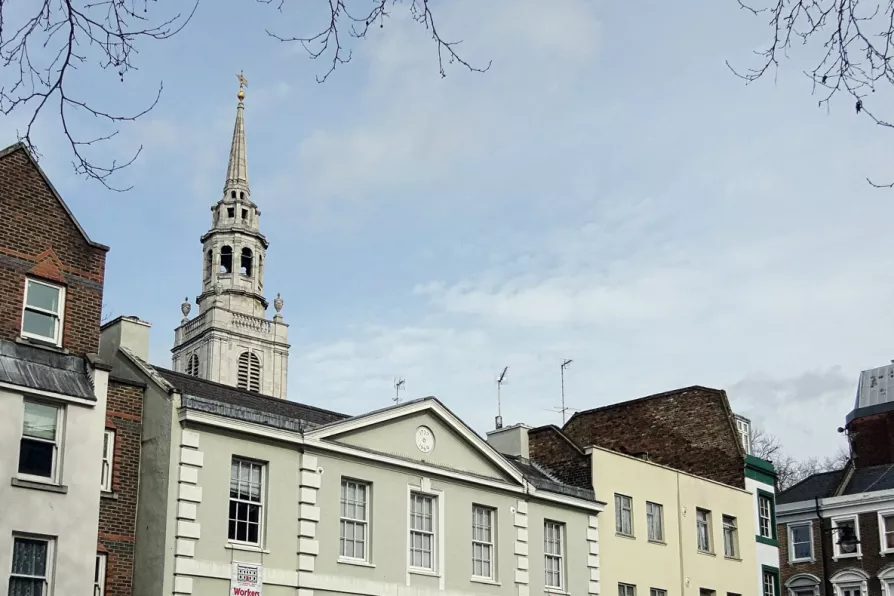
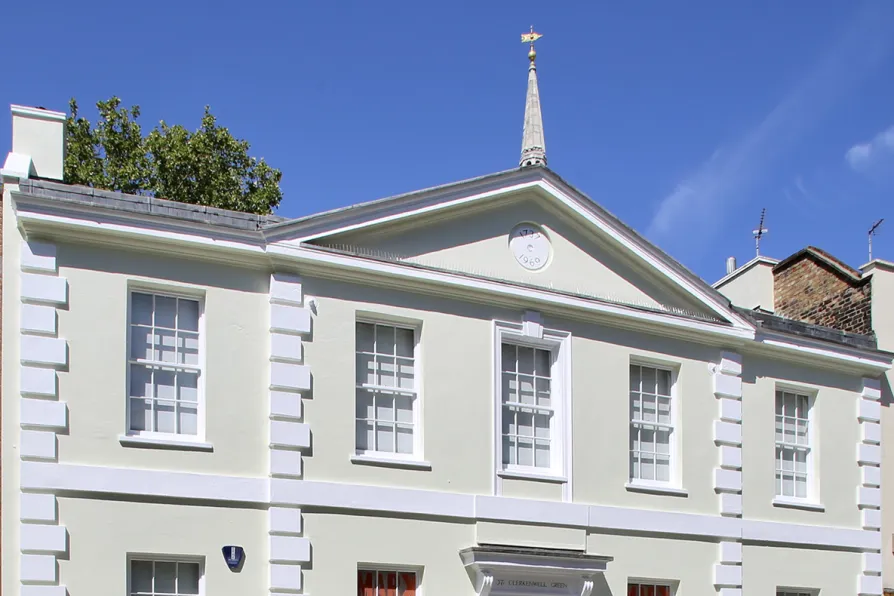
The history of Marx Memorial Library makes it well suited as a place to preserve this important archive. Located on Clerkenwell Green, just moments from Fleet Street, the area has a long connection to the print industry.
The Printers’ Labourers’ Union was founded on the Green in 1889, and the MML building itself was once home to the printing press of the Social Democratic Federation, Twentieth Century Press, which produced some of the country’s most influential socialist publications.
During the Wapping dispute, Clerkenwell Green was used as a starting point for some of the marches on the Wapping plant, and the library hosted meetings in solidarity with sacked workers.
The library has just come to the end of two-year project to catalogue and preserve this important archive on the Wapping dispute, making sure it is saved for future generations and can be made available for researchers for the very first time.
The project has uncovered important documents showing how trade unions and their supporters organised around the country in defiance of Murdoch’s plans, and personal items from sacked workers demonstrating the effect of the year-long dispute and the resolve of trade unionists fighting for their rights.
Messages of solidarity from miners situate the dispute in the broader context of attacks on trade unions throughout the 1980s, and include emotional references to the support of print unions during the miners’ strike just a year before.
A key part of the collection are the newspapers and bulletins produced by workers involved in Wapping. Most famous of these is the joint union newspaper, The Wapping Post, and cataloguing has enabled the library to work in partnership with Brunel University on a PhD project researching the design and production of the paper and its wider context.
MML is already using this fascinating collection in our education programme for schools, universities and trade unionists. The rich historical material included shows so many aspects of the labour movement, and are a vital resource in teaching young people about a key struggle in working-class history and what they can learn from it today.
With the launch of our new catalogue for the collection we are looking forward to enabling new research on the Wapping dispute, and to welcoming anyone who wants remember this historic point in the labour movement during this anniversary year and beyond.
Matt Dunne is archivist at the Marx Memorial Library and Workers School, Clerkenwell, London.

Similar stories
MML director MEIRIAN JUMP outlines the recently refreshed library’s busy autumn schedule that ranges from book sales, archival exploration, community work with online education and the ever popular site tours
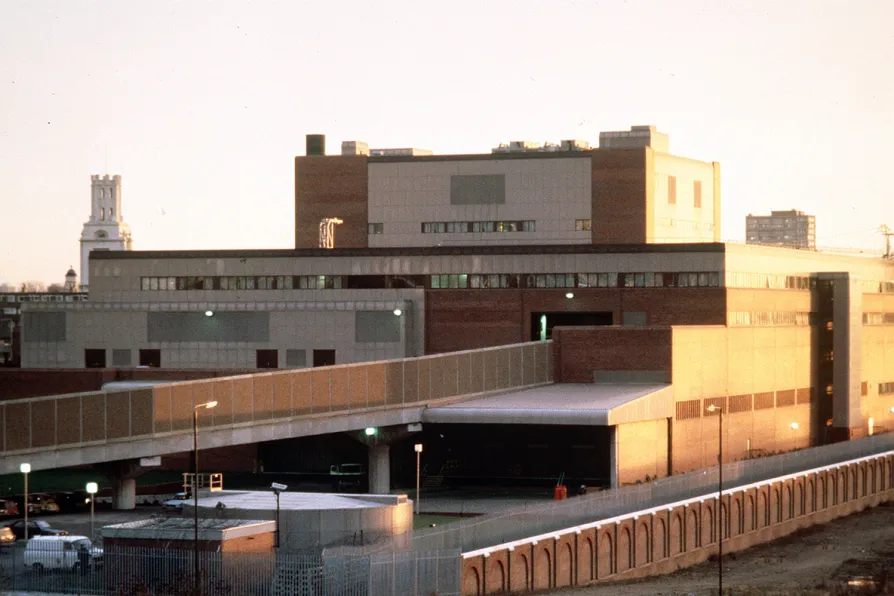
Forty years on, TONY DUBBINS revisits the Wapping dispute to argue that Murdoch’s real aim was union-busting – enabled by Thatcherite laws, police violence, compliant unions and a complicit media
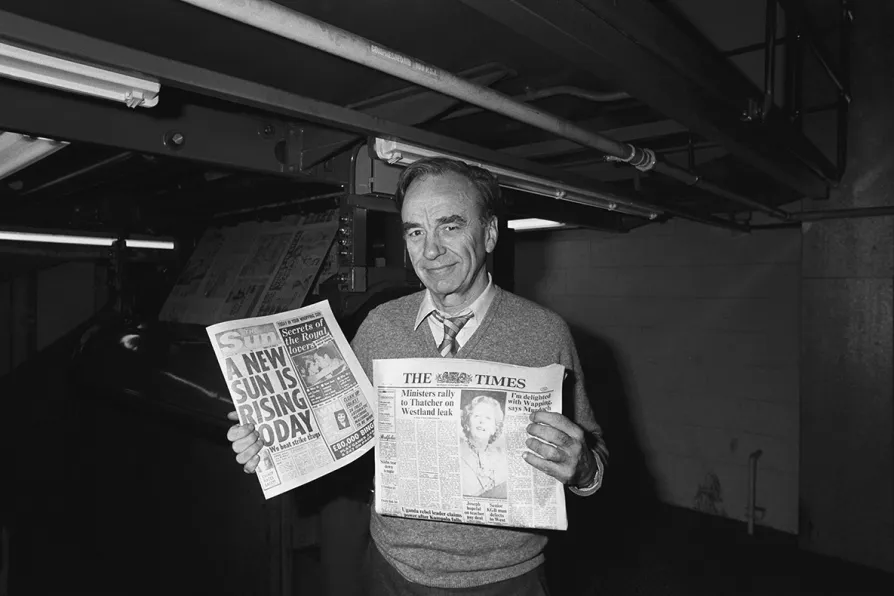
On the 40th anniversary of the Wapping dispute, this Morning Star special supplement traces the long-planned conspiracy that led to the mass sackings of printworkers in 1986 – a struggle whose unresolved injustices still demand redress today, writes ANN FIELD