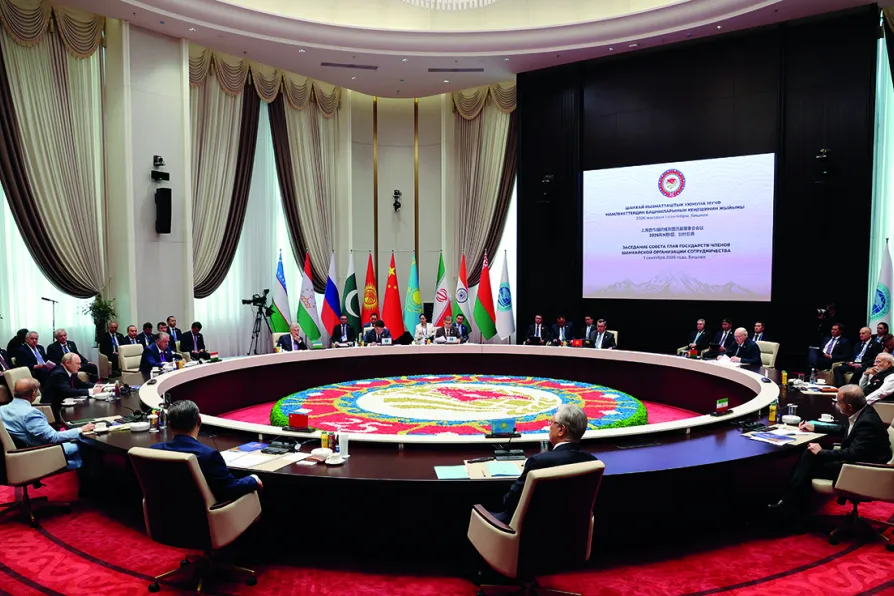
The 25th anniversary meeting of the Shanghai Co-operation Organisation in the Kyrgyz capital may offer a glimmer of hope that international relations do not need to be defined by endless confrontation, writes KENNY COYLE


 Latest editorial

Whither proletarian revolution – it’s coming home
Lenin’s theory of the weakest link shifted the centre of gravity of the proletarian revolution towards peoples’ struggles in the developing world, contrary to the expectation of Marx and Engels. The effect was to hinder the cause of socialism by decades. Time bring it back to its natural home, argues FAWZI IBRAHIM
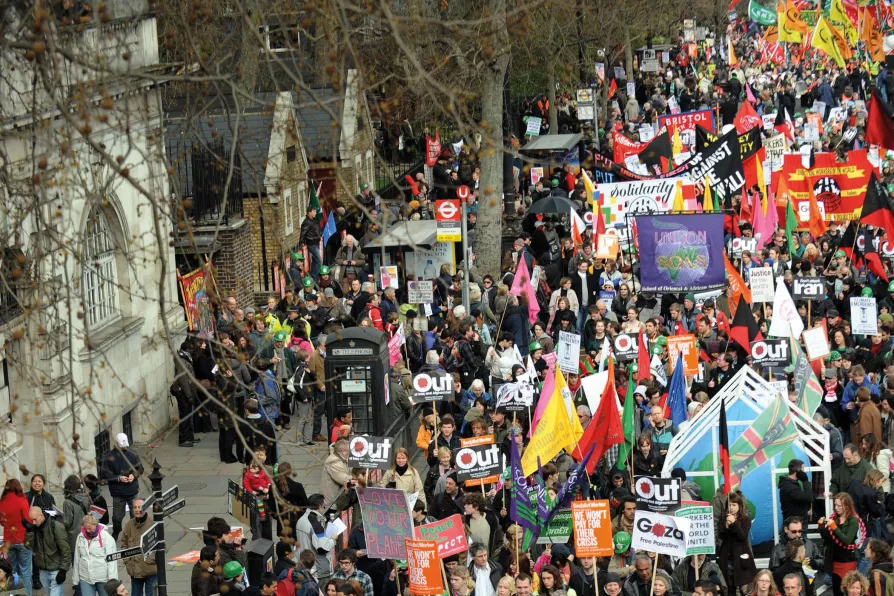 IN THE BELLY OF THE BEAST:
Thousands of protesters march
against the excesses of
capitalism in London, 2009
IN THE BELLY OF THE BEAST:
Thousands of protesters march
against the excesses of
capitalism in London, 2009
The artist, who has just died, is embedded in the subconscious of the Palestinian people
The five young men killed in the A66 crash were responsible for a devastating tragedy — but the crash should force us to ask difficult questions about wider society, argues RENATA MEDEIROS MIRRA
Britain funds the policing of black culture 16 times better than the culture itself. The Diamond Jubilee is the moment to end that, argues CLAUDIA WEBBE
Despite Andy Burnham’s declaration defending the continued partition of the island, all major international and internal trends are converging to make Irish reunification inevitable
Humans are part of the ‘animal kingdom’ – and of nature in general – but also distinct from it and labour (work) is part of what makes us unique, declared Engels. His insights 150 years ago into how our species came to be and how we differ from the rest of nature, are as important today as they were then, says the MARX MEMORIAL LIBRARY
Committee for the Defence of the Iranian People’s Rights general secretary GAWAIN LITTLE discusses the impact of the US-Israeli war on the Iranian people and economy





IT WAS the publication of the Communist Manifesto in 1848 and, subsequently, Capital in 1867 that explained that, as capitalism was born within its predecessor, the feudal system, so it is with socialism — it is born within the capitalist system.
As capitalism evolved, its productive force would come into conflict with its relations of production, and at an advanced stage of its development, proletarian revolution would overthrow the capitalist order and establish socialism.
Communists thus looked to the advanced industrial countries in Europe for such revolutions and they were not disappointed with workers’ rebellions and revolutions that took place across Europe in the early and mid-19th century. There were the Luddites, 1811-13, the Merthyr Tydfil armed insurrection in 1831, the Swing Riots in 1830 by agricultural workers in southern and eastern England, and of course the European revolutions of 1848.

Similar stories

Internationalism is deeply embedded in socialist theory and practice. Examination illuminates its complexity asserts the Marx Memorial Library and Workers’ School

Nature as well as society works dialectically, asserts the Marx Memorial Library and Workers’ School

BEN CHACKO welcomes a masterful analysis that puts class struggle back at the heart of our understanding of China’s revolution
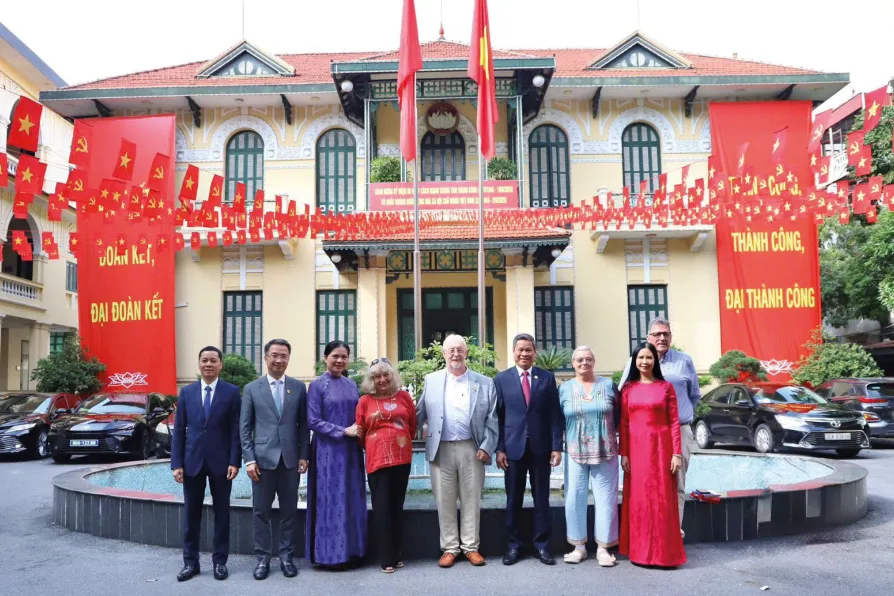
KEVAN NELSON reports back from a delegation to the epic celebrations for the anniversary of Vietnam’s 1945 revolution, where British communists found a thriving, prosperous socialist country, brimming with ambition and well-earned national pride