The question is not simply how much we spend on defence, but what we understand defence and security to mean, says SIMON BRIGNELL



Continued murders of activists and Farc members could derail Colombia's peace process
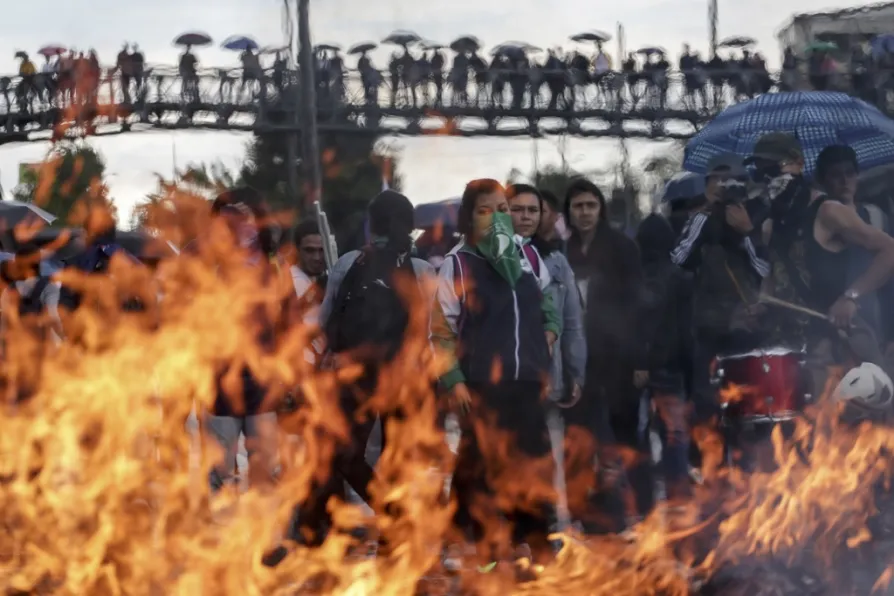
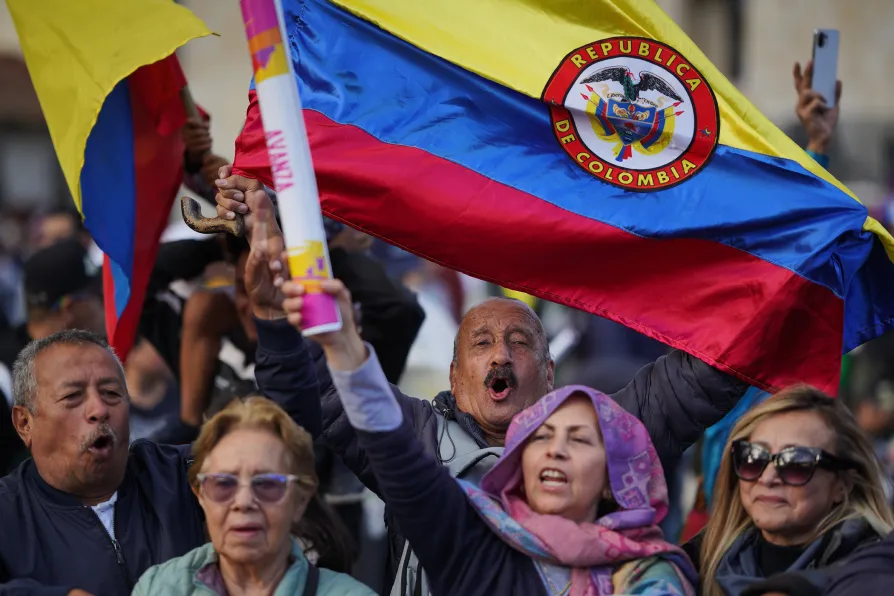
 Protesters demand an increase of the nation's education budget in Bogota last Wednesday

Given the recent rejection of peace proposals by Israel the world must provide an immediate and resolute response to force accountability on Gaza, argues RAMZY BAROUD
MARK SEDDON tries to cool off in the countryside to avoid the heatwaves but the greed and incompetence of the privatised water industry is now at boiling point
The disputed election of a far-right president, who is also a US citizen, signals further consolidation of Washington’s regional power and represents a threat to the country’s democracy and sovereignty, writes WT WHITNEY JNR
by Her Excellency Ismara Mercedes Vargas Walter, Ambassador of the Republic of Cuba to the United Kingdom
DR STEPHEN WILKINSON assesses the life and legacy of a revolutionary giant





IN AUGUST 2018, the Justice for Colombia Peace Monitor took a delegation of British MPs, trade unionists and lawyers to Colombia to observe implementation of the peace agreement and the broader human rights situation in the country.
Less than two years earlier, the Colombian government and the Revolutionary Armed Forces of Colombia (Farc) signed an agreement to end more than 50 years of armed conflict that cost the lives of around 220,000 people and drove seven million from their homes.
The delegation met many people whose lives had been deeply affected by the conflict and the subsequent attempts to build a stable and lasting peace in the country. In Catatumbo in north-east Colombia, on the border with Venezuela, delegates met the ASCAMCAT social organisation to hear about the high levels of violence inflicted on local community leaders and human rights defenders. ASCAMCAT coordinator Olger Perez told them about the assassination attempt he had recently survived, just months after his brother Alvaro’s murder.

Similar stories
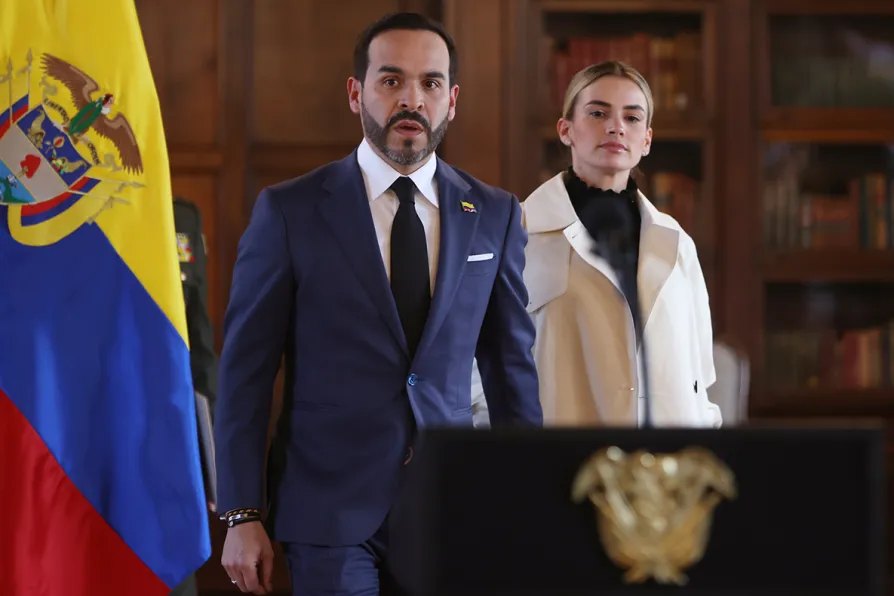
The disputed election of a far-right president, who is also a US citizen, signals further consolidation of Washington’s regional power and represents a threat to the country’s democracy and sovereignty, writes WT WHITNEY JNR
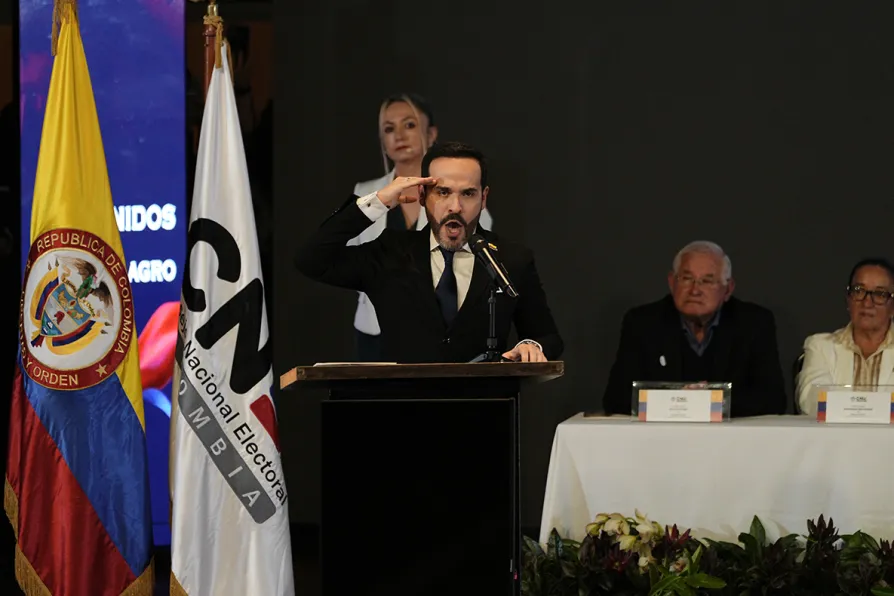
ENRIQUE SANTIAGO ROMERO says the Colombian far-right’s election victory is deeply suspect — and the United States has its fingerprints all over it
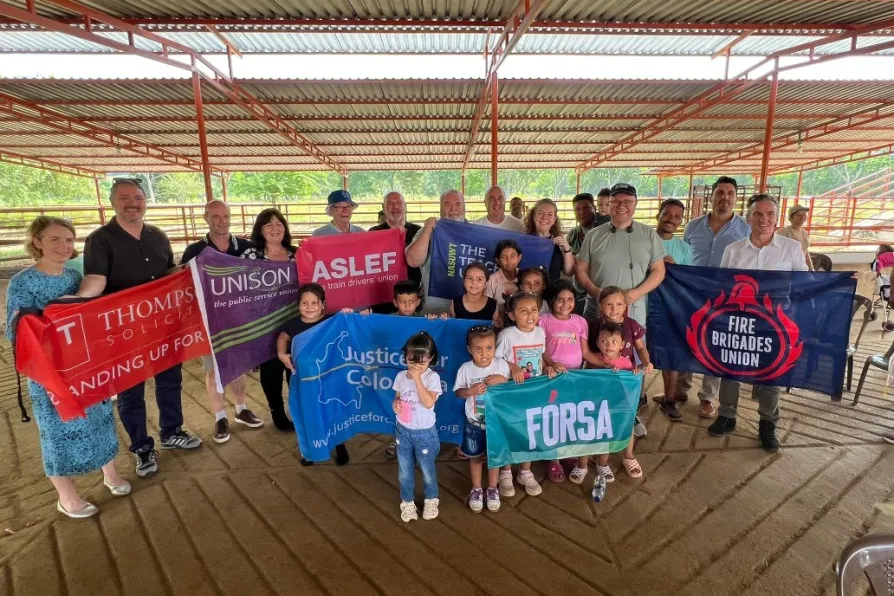
With Petro, Colombia has been making huge strides towards peace — but is all that at risk with the elections next year? MARK ROWE reports back after joining a delegation to the Latin American country
Colombia’s success in controlling the drug trade should be recognised and its sovereignty respected, argues Dr GLORY SAAVEDRA