The 25th anniversary meeting of the Shanghai Co-operation Organisation in the Kyrgyz capital may offer a glimmer of hope that international relations do not need to be defined by endless confrontation, writes KENNY COYLE


 Latest editorial

Moths: natural history and human history
Moths cause huge damage to clothes, carpets and crops, but they’re so much more than just pests, explain SCIENCE AND SOCIETY
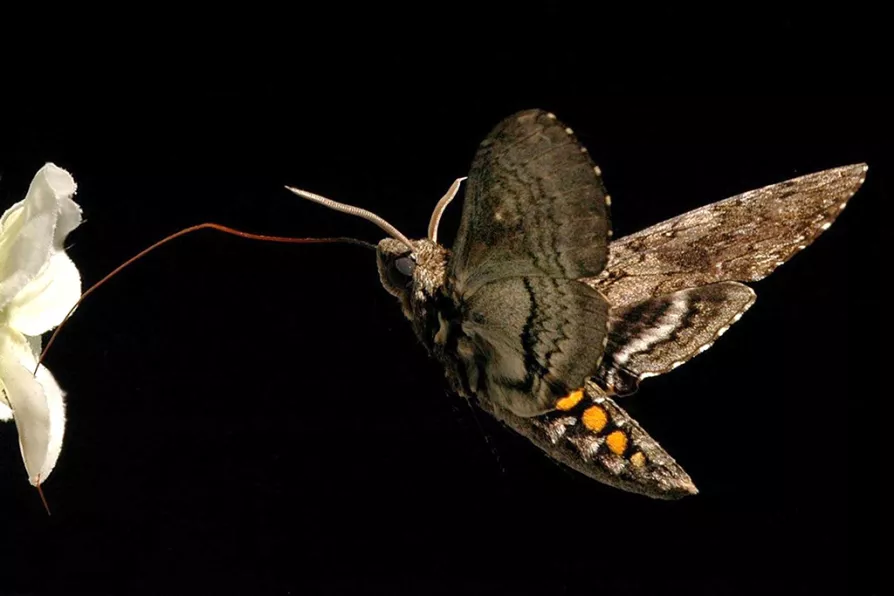 A Hawkmoth collecting nectar

The artist, who has just died, is embedded in the subconscious of the Palestinian people
The five young men killed in the A66 crash were responsible for a devastating tragedy — but the crash should force us to ask difficult questions about wider society, argues RENATA MEDEIROS MIRRA
Britain funds the policing of black culture 16 times better than the culture itself. The Diamond Jubilee is the moment to end that, argues CLAUDIA WEBBE
Despite Andy Burnham’s declaration defending the continued partition of the island, all major international and internal trends are converging to make Irish reunification inevitable
Humans are part of the ‘animal kingdom’ – and of nature in general – but also distinct from it and labour (work) is part of what makes us unique, declared Engels. His insights 150 years ago into how our species came to be and how we differ from the rest of nature, are as important today as they were then, says the MARX MEMORIAL LIBRARY
Committee for the Defence of the Iranian People’s Rights general secretary GAWAIN LITTLE discusses the impact of the US-Israeli war on the Iranian people and economy





THE occurrence of household moths in Britain has seen a striking rise in recent years according to English Heritage. The anger and hatred of those who’ve survived a moth infestation is understandable, but most moths are unfairly maligned.
Unlike butterflies, which form a group of all the descendants of a single ancestor, moths are much more genetically diverse, having diverged from each other at an earlier point. There were early moths 300 million years ago, which adapted into modern moths alongside early flowers.
There are 160,000 known species of lepidoptera (moths and butterflies) worldwide, and more are still being discovered. While there are just 59 species of butterfly found in Britain, there are 2,500 known moth species, 900 of them “macro” moth species with wingspans generally longer than 2cm. Surprisingly only three moth species (all micro-moths) live indoors and cause damage to clothing and carpets.

Similar stories

Hot and dry conditions are threatening British species unequipped for drought, explains PAUL ASHTON
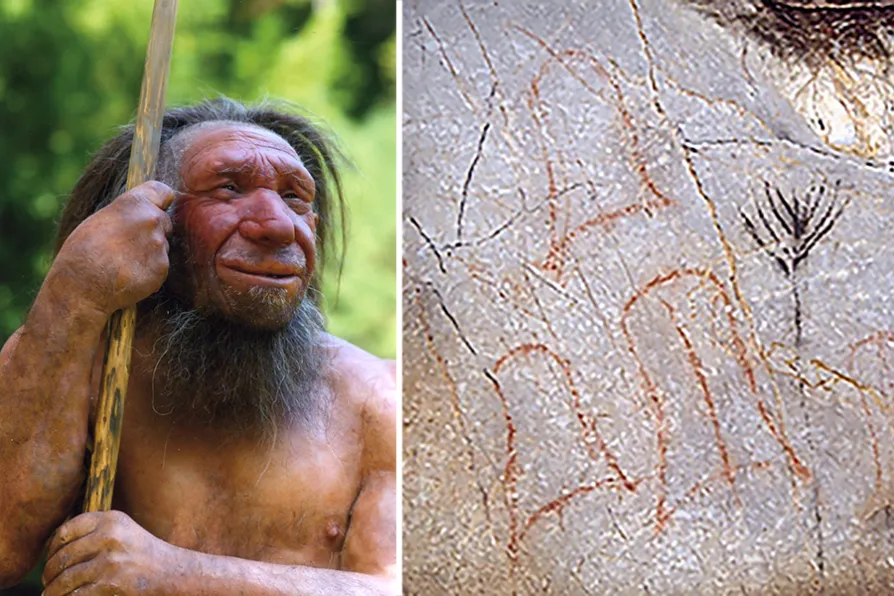
BENJAMIN POTHIER suggests that Palaeolithic cave paintings in Spain point to the ceremonial use of hallucinogenic flora
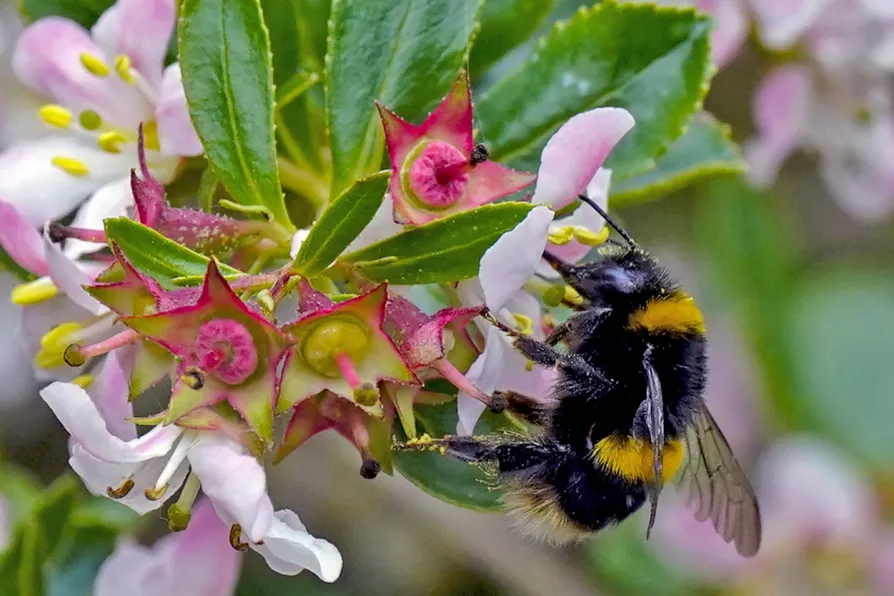
Rising temperatures and human activity are making life far harder for these vital pollinators. ALEX DITTRICH explains
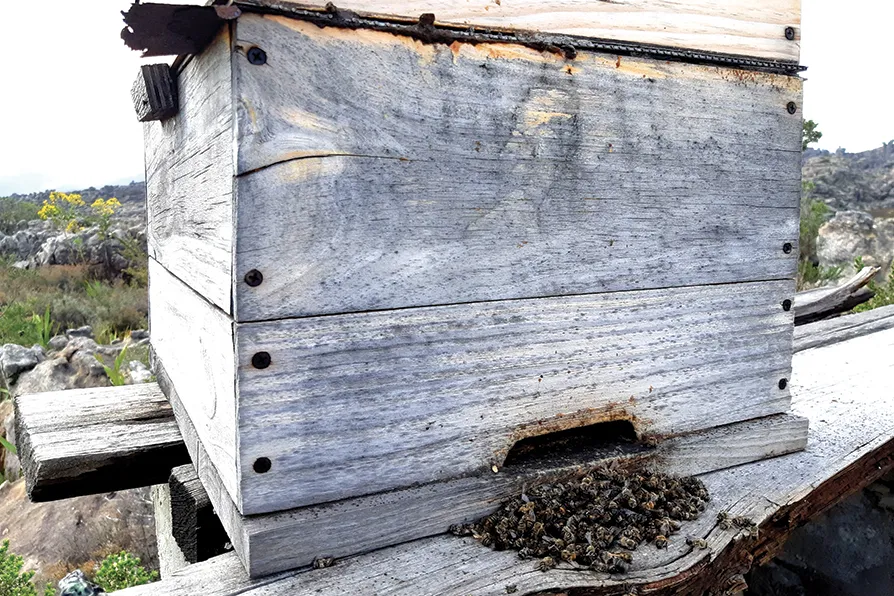
The West’s dangerous pesticide dumping in Africa is threatening biodiversity, population health and food sovereignty, argues ROGER McKENZIE