Trade unions need to step up and force a turn in the policies of the labour movement to effectively confront the far-right threat, argues NICK WRIGHT


 Latest editorial

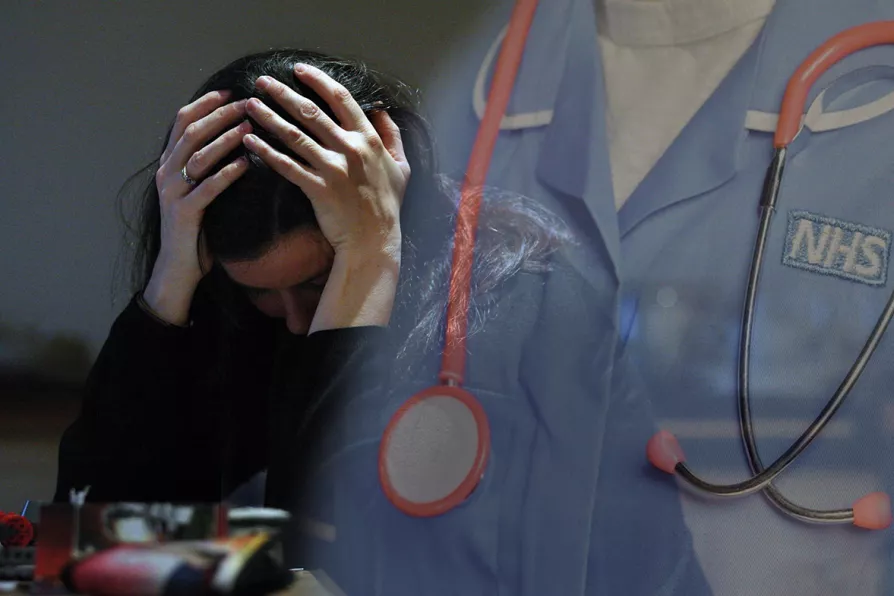
Should mental health be getting back to normal?
RUTH HUNT looks at the problems for those whose mental-health requirements were exacerbated by the pandemic — and as it comes to a close, whether there is a possibility of a better way forward, spearheaded by innovative approaches and a new sense of social solidarity

As the 90th anniversary of the outbreak of the Spanish civil war is marked, Teesside campaigners will gather to remember the local men and women who stood against fascism, explains TONY FOX
Whatever differences exist among international sympathisers of the Bolivarian revolution about its current trajectory, they should unite against the imperialist power that is the source of an enforced retreat, argues ROGER D HARRIS
Washington’s inability to subjugate Iran is an example of how it is trying to preserve a regional order that no longer exists, argues RAMZY BAROUD
US financial instability is exposing the limits of a dollar-dominated global economy — and giving the Global South a historic chance to build an alternative, says MURAD QURESHI
Deprivation is a fundamental factor in criminal behaviour that must be addressed but, KENNY MacASKILL argues, there needs to a major rethink in sentencing to tackle overcrowding





WITH the restrictions of lockdown ending, the government’s mantra often includes the phrase “getting back to normal.”
Apart from this being an obviously offensive statement for those whose normal everyday lives are isolated, there are other issues to consider about returning to life as it was before the pandemic.
For example, despite the suffering and loss of life, there has also been an evident sense of social solidarity. With this has been more awareness of inequality and the disparity between incomes.

Similar stories

Climate extremes are becoming our new normal, says CHLOE BRIMICOMBE

Plans to delay access to the universal credit health element until age 22 have triggered fierce opposition from disabled people’s groups, who warn it would deepen poverty and entrench discrimination against young disabled people under the guise of ‘encouraging work.’ DYLAN MURPHY reports

JOSEPHINE BARBARO welcomes a diverse anthology of experiences by autistic women that amounts to a resounding chorus, demanding to be heard