Labour must deliver its manifesto promises in full and begin the bigger task of restoring workers’ collective power, says MATT WRACK


 Latest editorial
Increasing numbers of people are dying at home – what does this mean for society?
With more people dying each year and many spending their final days in institutions, researchers argue that wider access to palliative care could offer a more humane and cost-effective alternative, write ROX MIDDLETON, LIAM SHAW and MIRIAM GAUNTLETT
 ALTERNATIVES: Al Amal (Hope) palliative care team, during the home-based care visit in 2021. Pic: Alamalrwanda/CC

This summer’s fire outbreaks highlighted once again the deadly cost of job, equipment and funding cuts to the fire service. Ten years after the Grenfell tragedy, serious lessons still need to be learned, says STEVE WRIGHT
Live music and musical education are both under attack and threaten to impoverish our culture. The Musicians’ Union seeks allies in the fightback, writes NAOMI POHL
The TUC fell for the illusion of a ‘Social Europe’ in 1988 and backed single-market membership. DOUG NICHOLLS argues that dramatic changes in the EU prove the need for an independent economic policy
As Cuba faces an unprecedented US energy siege and growing threats of military intervention, TUC Congress must stand unequivocally with Cuban workers and their right to determine their own future, writes STEVE GILLAN, POA general secretary and TUC president
By organising for boycotts, divestment and sanctions, trade unionists can turn solidarity into action, writes JESS BARNARD





IN 2008, a group of palliative care researchers noted that demographic trends such as the “baby boomer” generation and falling birth rates would lead to an ageing population and dramatic increase in the number of deaths in the 2010s onwards.
They saw two possibilities: “either there will be a substantial increase in institutional deaths or major rises in numbers needing community end-of-life care.”
They urged long-term planning to improve the capacity of the NHS to care for dying patients outside institutions.
The 20th century saw a dramatic shift in the most common place of death: from the home to the hospital. In Medical Nemesis (1975), the philosopher Ivan Illich discussed this trend. In his analysis, what he called “fear of unhygienic death” had driven society to spend huge amounts of money on “terminal ceremonies,” where dying patients were forced to receive healthcare to prolong their lives, but which was as expensive as it was useless.
As he put it, “people think that hospitalisation will reduce their pain or that they will probably live longer in the hospital. Neither is likely to be true.” He railed against “the exile, loneliness, and indignities” of hospitals where people died in “exquisite torture.”
In some part, the trend of people dying in hospital was driven by improvements in healthcare in the 20th century.
Improving social conditions meant that people were living longer, dying of old age rather than being young but unwell, and many societies agreed on the need to care for them through the state. Even after Illich was writing, the intersection of the increasing frailty of patients and the medical profession’s fear of not providing the best possible care — taken to mean the longest possible extension of life — kept driving a steady increase in hospital deaths. In the three decades from when Medical Nemesis was published to the early 2000s, the number of home deaths in England fell from just over 30 per cent to 18 per cent.
This trend looked set to continue. But the published statistics for England in 2024 show that it didn’t. It’s true that institutions remain the most common place of death, with 42 per cent of all people dying in hospital, 21.5 per cent in a care home and 5.5 per cent in a hospice. But the number dying at home saw a reversal of Illich’s trend, and it’s now at 28 per cent — almost back to what it was in the 1970s.
One big reason is the Covid-19 pandemic. Suddenly, people who would have normally died in a hospital were dying at home. In some cases this may have been positive — if asked, most of us say it’s where we would prefer to die — but it also may have meant people dying without proper care and support. That sharp increase without adequate proactive planning highlighted the importance of reforming end-of-life care at home.
These kinds of changes take time to implement. Healthcare at the end of our lives is expensive: the 1 per cent of the population who are dying account for up to 10 per cent of healthcare spending. Which medical conditions you have has a big impact on where you die. Nearly two-thirds of people with dementia die in a care home. Almost 80 per cent of people who die in hospices have cancer, although many people with cancer also die in hospital.
Back in Medical Nemesis, Illich presciently noted that euthanasia had only become a major ethical issue once end-of-life care had become medicalised. The concept of what he called “the right to be professionally killed” by a state institution first needed the hospital to become the most common place of death.
Within the medical paradigm, the alternative to “heroic medicine” that tries to prolong life at any cost is palliative care, which aims instead to make patients comfortable by managing symptoms such as pain. Palliative care can be given at hospital but also at home, although there are issues with adequate provision. Furthermore, end-of-life care can be frightening, not least because of the potential overlap of strong pain-reduction drugs with euthanasia: giving high doses of opioids can relieve pain but also kill.
Currently, less than half of people who die from a non-sudden cause get specialist palliative care as opposed to dying during other treatment. But palliative care eases the suffering of the dying person as they reach the end of their life, a compelling case for its broader use.
A recent paper makes the case for improved access further on a cost-effectiveness argument. Its economic modelling suggests that providing palliative care in a hospital reduces bed days and deaths in hospital, but providing it in the home is the more cost-effective option. As well as improving patients’ quality of life in their last days, the modelling suggests palliative care saves around 1.5 million NHS bed days and reduces costs by £817 million.
We don’t have to accept a monetary valuation of the last days of a person’s life to accept the utility of this argument. Expanding palliative care’s remit might make the prospect of a good death — unhastened, managed, comfortable and with minimal physical pain — a preferable alternative to the heroic battle to the end.
The poet Andrea Gibson, who died last year, wrote a poem called When Death Came To Visit about the power of accepting approaching death for a dying person.
Nevertheless, there are many deaths which those of us left behind will never be “ready” for. Even so, we can imagine in a palliative paradigm, there might be room to think of death beyond medicalisation, and of the real value of life.
Ivan Illich advocated dying at home without medical assistance. He practised what he preached, dying at work in his study in 2002 having refused cancer treatment. For most of us, we will want pain relief and medical care to play a part in our deaths, and funding the expansion of palliative care would help provide it. The real test should be that patients want it — and we will all be those patients one day.

Similar stories
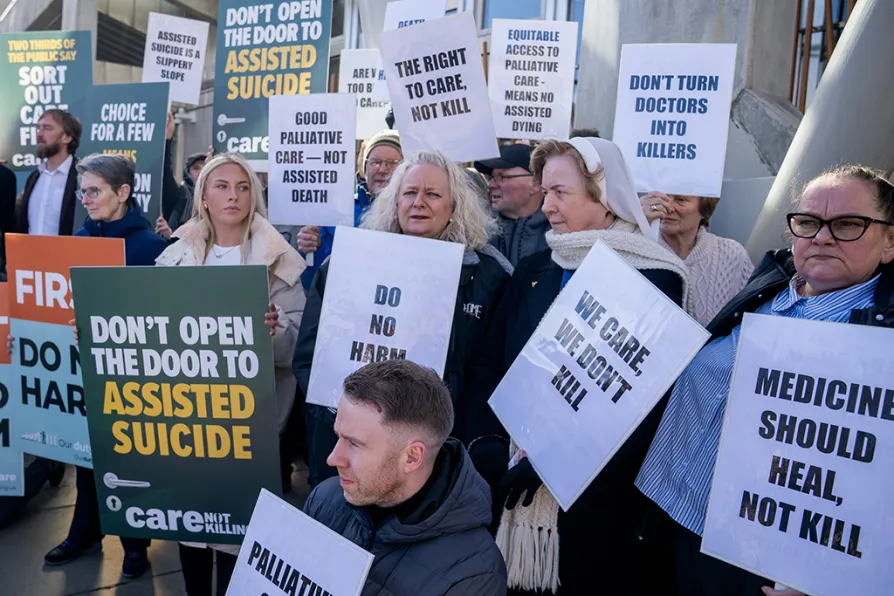
The new prime minister has shown a willingness to reconsider his previous views on assisted suicide and focus on improving care services. CHRIS WHITEHOUSE hopes other MPs will do likewise

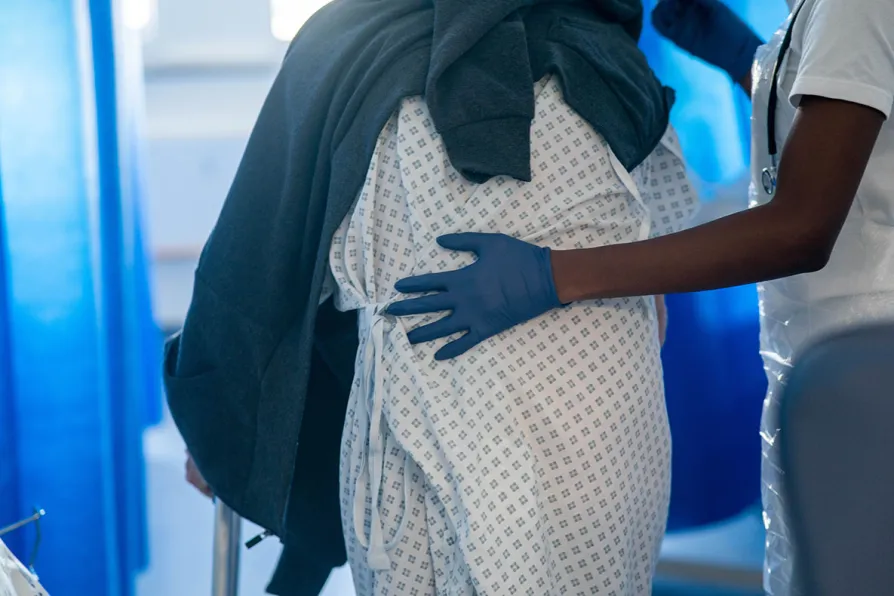
We need a massive change in direction to renew a crumbling health service — that’s why Plaid Cymru has an ambitious plan to recentre primary care by recruiting 500 additional GPs and opening six new elective care hubs across Wales, writes MABON AP GWYNFOR