
ROB WARZYNIAK wades knee deep through a pile of ‘dead canaries’ of Trumpist policies which exacerbated the horrors of US capitalism domestically


After AI: time to embrace universal basic income?
As AI advances, the case for universal basic income gains traction, challenging traditional notions of labour organising while offering a viable solution to the decline in the need for work and workers, argues BERT SCHOUWENBURG

 [Igor Omilaev / Creative Commons]

Without evidence or Nato consultations Berlin’s answer to the Leipzig incident is a rupture of relations. SEVIM DAGDELEN examines why
FRANCISCO DOMINGUEZ introduces the background to a conference on defending Latin America’s sovereignty
The glacier collapse in Nepal is yet another warning that a warming planet is making Himalayan disasters more frequent and destructive – but the countries facing the greatest risks are often those least responsible, says LI YANG
Nick Blair is set to benefit from a hugely lucrative contract to ‘virtually’ train the British army for its next war. Like father, like son, writes SOLOMON HUGHES
Even when tragedy strikes, Western media cannot resist the opportunity to turn it into a sordid propaganda opportunity, as the Nepal-China border tragedy shows, writes CARLOS MARTINEZ
Trade unions should be at the heart of the anti-racist push for reparations for the historic legacy and continuing impact of slavery, writes ROGER McKENZIE





THE explosive growth of artificial intelligence (AI) and the concurrent loss of paid employment for millions of people has reenergised the debate about the future of work and given fresh impetus to the advocates of a universal basic income (UBI), a concept that is viewed with some suspicion and scepticism by many on the left.
UBI is a social welfare measure in which all citizens of a given population receive a guaranteed minimum income in the form of a regular unconditional transfer payment. The principal arguments of its critics are that it creates welfare dependency and is simply unaffordable, neither of which stands up to scrutiny.
Since the 1773 Inclosure Act started a process that saw hundreds of thousands of people displaced from the land and forced to work in the towns and cities, where the Industrial Revolution was born, society has placed a high value on a Puritan work ethic which values productivity and hard graft and frowns upon the slackers and the workshy who do not buy into it.

Similar stories

Elon Musk says AI will make work optional. The world of abundance he predicts actually spells the end of the capitalist system, argues FAWZI IBRAHIM

Critics of UBI underestimate both its political significance and its economic potential, writes BERT SCHOUWENBURG

MIKE SCOTT assesses the AI threat to jobs in the first of a pair of articles on the problems it poses
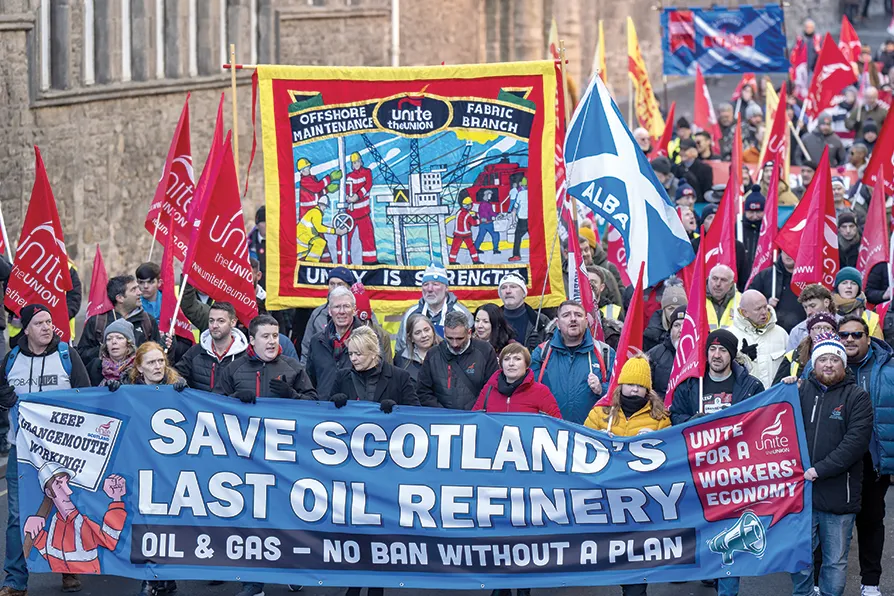
As fossil fuels have had their day, JOSIE MIZEN makes it clear that it is now the government’s responsibility to initiate the transition to alternative employment in a manner that is organised, efficient and effective