TUC president and POA leader STEVE GILLAN speaks to Ben Chacko on the eve of Congress 2026


 Latest editorial
Calling time on first past the post
With a political crisis engulfing the Labour Party, the case for PR is back on the agenda. TONY BURKE argues trade unions must now engage on changes to our voting system
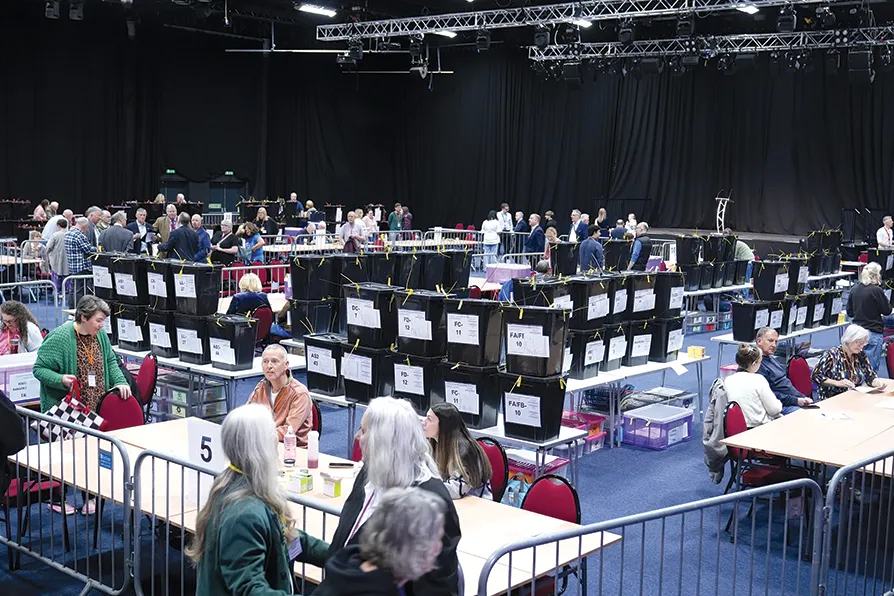 COUNTING ON CHANGE: Ballot boxes are stacked on tables ahead of the count for the 2026 Senedd elections at The Arena, Venue Cymru, Llandudno on May 8 2026

DOUG NICHOLLS welcomes a turning point at this year’s Congress, where many motions call for a co-ordinated plan to revive British industry, a perspective outlined in his new book
HOPE VIRGO of campaign Dump the Scales warns MPs voting today they should be alert to the threat legalised assisted death poses to people with eating disorders
The Together Alliance is hosting two summits, North and South, to build power and plan action against the scourge of racism peddled by the right. DANIEL KEBEDE urges mass participation
The drift toward militarisation in Europe is not inevitable, left-wing and peace movements can preserve sovereignty and prevent war, says DÁIRE HUGHES MP
Whatever differences exist among international sympathisers of the Bolivarian revolution about its current trajectory, they should unite against the imperialist power that is the source of an enforced retreat, argues ROGER D HARRIS
Trade unions need to step up and force a turn in the policies of the labour movement to effectively confront the far-right threat, argues NICK WRIGHT





WHEN you move into a position of power and responsibility, whether elected or appointed, it becomes incumbent on you to know a bit about everything.
You receive a mass of information, more than you can ever read, never mind digest and analyse for yourself, but you have to make decisions at speed.
This leaves you increasingly reliant on advisers and experts to help you make the right decisions based on their research and evidence as well as your own political instinct.
Getting that balance right is just one of the challenges of leadership.
A healthy democracy gives the people a voice; a healthy democracy bakes in policy-making processes that enable the people to have a voice through their leaders.
That requires mechanisms for consultation or for upwards pressure of ideas from the grassroots to the leadership.
In theory, at least, political parties and trade unions are democratic organisations, with policy made by the members at their conferences — grassroots pressure in action.
In reality, some of our democratic institutions, notably political parties annual conferences, are merely an opportunity for set-piece sound-bite speeches from the leadership aimed at the media for outside consumption.
Ideas put forward by members through motions and speeches are sometimes seen as a minor irritation to be ignored or even removed from the agenda before they can reach the conference floor.
Some may call this strong leadership; others might call it dictatorship. But it is undermining our democracy and risks disillusionment, cynicism and a search for true representation, where voices can be heard. This is how Reform is gaining political ground.
Take proportional representation as an example. That your vote should count equally to that of your neighbour, or someone in the next town, seems like a reasonable expectation for someone living in a healthy democracy.
Many trade unionists feel that they should have the opportunity to find out more, understand the arguments and have the debate within their unions.
For my part, I used to favour of first past the post. It was simple, it had always been that way and there was no clamour for change from our members.
But I had a change of heart after I listened to a fantastic debate at the October 2021 Unite policy conference when my union voted to support PR.
As an official on the platform I didn’t take part in the debate or vote. The executive council “left the matter to conference” and what followed was a heartfelt, passionate and respectful debate with the issues clearly put which swayed me and the conference delegates (all lay members) to support the case for PR, which became the union policy.
I was also influenced by other trade union and Labour Party comrades who were making the case to change our voting system. When everyone in the labour movement and beyond is talking about something, like many trade unionists, I wanted to know more.
What I valued most — and I cannot emphasise this enough — was the opportunity to be part of the debate and conversation, to listen and learn, not to have it decided for me. That is the worst kind of managerial politics.
A healthy, functioning and democratic trade union engages its members in the debate — it doesn’t shy away from it.
Unite gave us the opportunity to be part of the conversation and many other unions have done the same; however, a debate about changing our voting system for the UK Parliament is still proving unnecessarily controversial.
While some trade unions have embraced the opportunity for conversation, listening to the arguments, having the debate and drawing on evidence and expertise, others are still avoiding it.
In the current political climate, changing our voting system is a hot topic. Never has there been so much media coverage, with letters and statements from academics and business leaders hitting the press. The all-party parliamentary group (APPG) for fair elections is now the largest cross-party group in the UK Parliament.
The Communications Workers Union (CWU) became the latest union to support a change to our voting system, primarily because the union created the space for information and debate.
They organised a political forum where members could hear from experts, ask questions and share their thoughts. It was a contemporary and fearless approach to policy-making where members’ voices were heard and their questions answered. Real democracy in action.
CWU is now the eighth of the 11 Labour-affiliated (Tulo — the Trade Union and Labour Party Liaison Organisation) unions to make electoral reform official policy and that means four out of the “big five”’ are now backing the policy.
When everyone else is talking about something, trade unions need to get involved, to properly understand the issues and take the opportunities offered to learn and engage.
They don’t need to become experts, but they do need to move on from previous ideology, open the debate, listen to the evidence and let the new arguments come in.

Similar stories
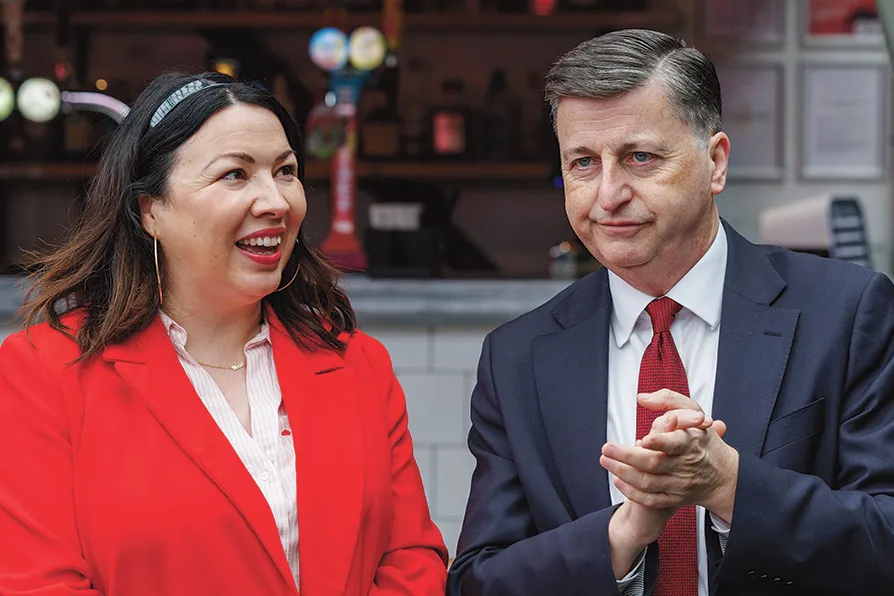
To govern again, we must first earn back the confidence of the people who founded our movement
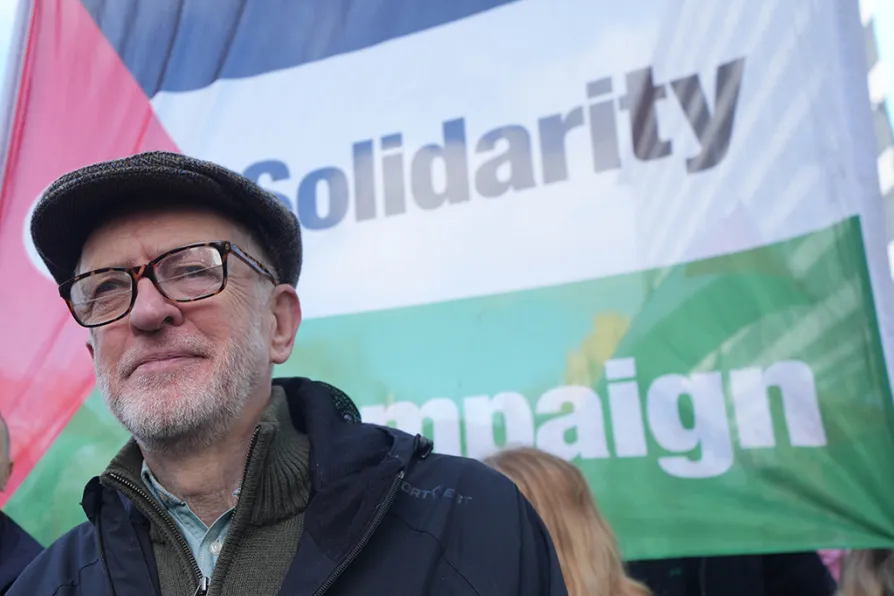
In a wide-ranging interview, JEREMY CORBYN talks to Ben Chacko about the difficulties the new Prime Minister faces and why he sees no future in Labour
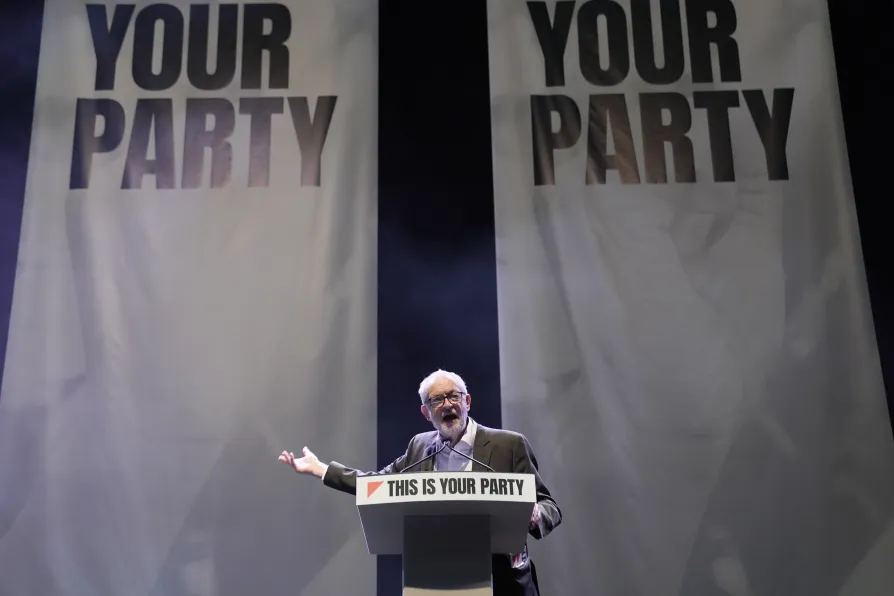
Former Labour MP LAURA SMITH makes the case for The Many slate in the elections to Your Party’s new executive
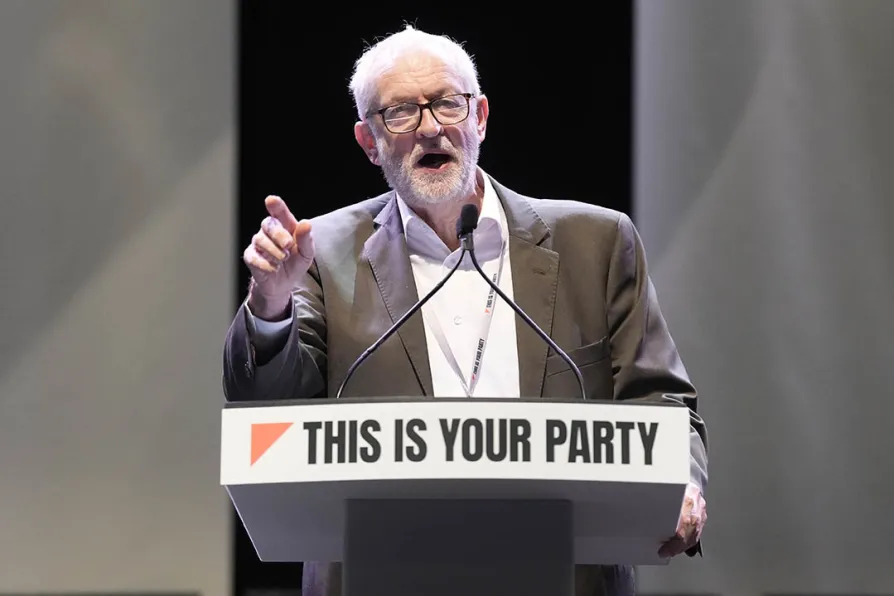
Your Party can become an antidote to Reform UK – but only by rooting itself in communities up and down the country, says CLAUDIA WEBBE