
PETER MASON applauds the revival, 39 years later with the same team and cast, of Manfred Karge’s version of Brecht’s 100-year-old play, Mann Ist Mann

They didn’t own a brick of it
SUE TURNER is fascinated by a book that researches who the largely immigrant workforce were that built the Empire State
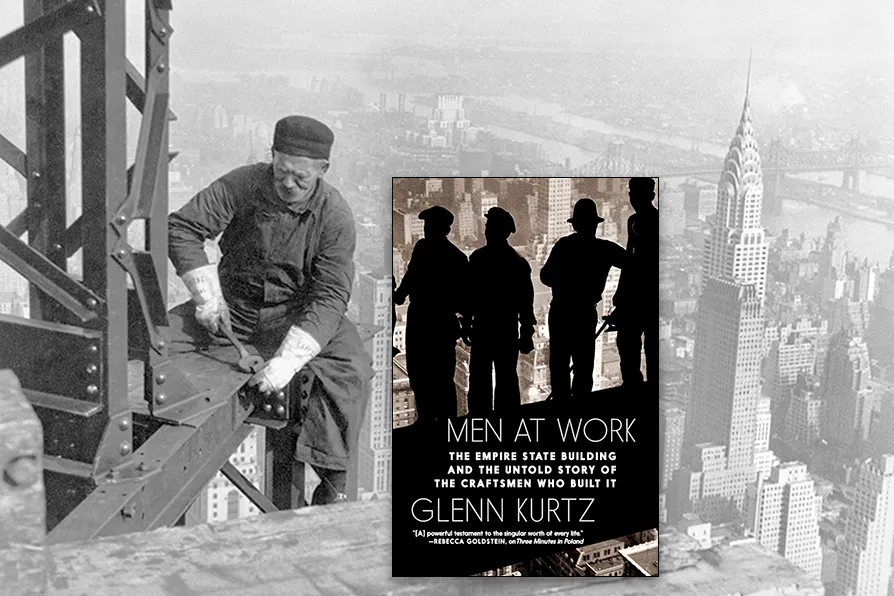
 Photograph of a Workman on the Framework of the Empire State Building, 1930. Many structural workers were above middle-age. [Pic: Lewis Hine/CC]
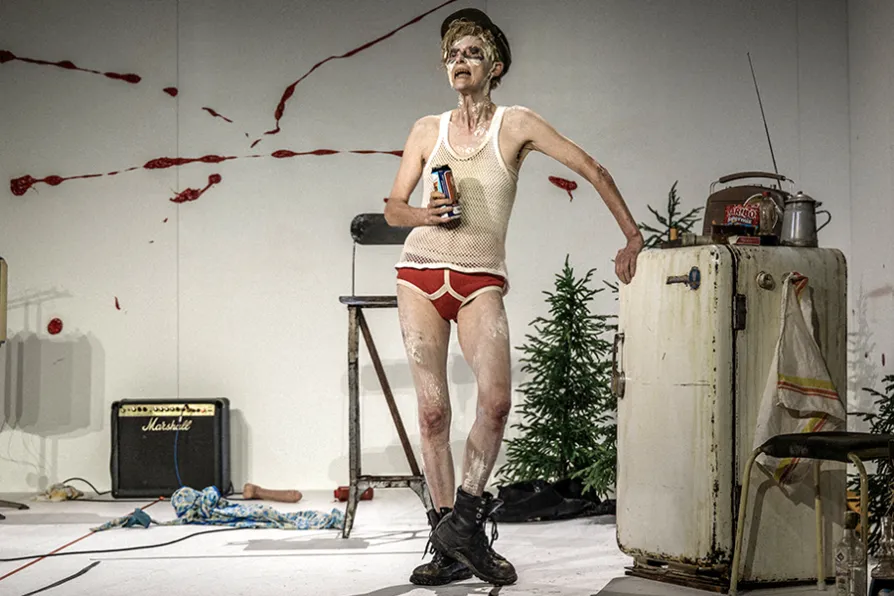
MAYER WAKEFIELD applauds a fearless attempt to bring to the stage the 1984 toxic gas disaster in Bhopal, India
ALEX HALL applauds the account of a dogged, traumatic and punishing campaign for justice that has lasted from 1998 to the present day
NICK WRIGHT laments the political bias of an epic attempt to tell the history of the liberation of France from the Nazis, that excludes both the decisive contribution of the Soviet Red Army, and of the French communist party itself
JOE GILL traces the ideology and method of contemporary imperialism back to the greed, hubris and violence of the late 15th century Portuguese





Men at Work: The Empire State Building and the untold story of the men who built it
Glenn Kurtz, Seven Stories Press, £25
THE Empire State Building was constructed from 1929 to 1931, at an inauspicious time for US capitalism, the start of the Great Depression. Nevertheless its overblown publicity made extravagant claims for its symbolism to the nation.
Architect Claude Brandon wrote: “The skyscraper is the symbol of the American spirit — restless, centrifugal, perilously poised. Its steel framework strong, held together by thousands of little rivets, finds a parallel in our highly developed industrial and economic system maintained by the labour of thousands of obscure and commonplace individuals, each one a rivet in the social structure.”
Kurtz’s book is the result of his research into the lives of many of these “obscure and commonplace individuals” in order to give them their differing identities rather than existing collectively as part of a metaphor for the country. As a starting point he took Lewis Hine’s photographs of the workmen who built the Empire State Building.
The owners’ choice of Hine (1874-1940) to record the construction of the building was an interesting one, as Hine was known for his progressive views which were apparent from the projects and campaigns he was associated with. However there were some raised eyebrows on the left at Hine’s acceptance of a commission from a capitalist consortium.
His deep-rooted affinity with the working class led him to photograph people at all manner of jobs, emphasising the physical relationship between the person and the task.
Hine maintained that he lacked the ability to put his ideas and views into words, thus relying on his camera to chronicle the US worker. In his 1932 book of photos Men At Work, Hine says: “Cities do not build themselves, machines cannot make machines unless at the back of them all are the brains and toil of men … the more machines we use the more do we need real men to make and direct them.”
He constantly emphasised the dignity of labour but this was at odds with the reality of conditions on the Empire State Building site where dangerous work was the norm and unions were discouraged.
An exhibition of Hine’s photographs was held on completion of the building to the anger of the CPUSA’s paper The Daily Worker which said: “The gall of the owners of the building to show a photo exhibition of workers who built it, who gave their lives to put it up — who own not one brick of it and are not allowed to enter it except to scrub the floors.”
Kurtz’s curiosity was aroused by a simple plaque in a dark corner of the building listing the names of 32 workers who had received craftsmanship awards for their role in the building project. From Pietro Vescovi, a terrazzo worker’s helper, to Louis Hummell, a steamfitter, a range of largely immigrant workers and their trades was represented.
Using the names on the plaque and the often anonymous photos from Hine’s book, Kurtz has attempted through his research to identify the men who built the Empire State Building and flesh out their lives.
Trawling through immigration lists, census data, newspapers and journals, trade union records and personal recollections, Kurtz has reconstructed family histories such as that of the asbestos worker Peter Madden, born to Irish immigrants in 1873, the fourth of seven children. When Hine photographed him he was 57. A descendant remembers a family story that tells of him bringing home scraps of asbestos-covered canvas which were used as dishcloths. Madden died in 1947. The use of asbestos in insulation was not banned until 1973.
Or Ferruccio Mariutto, a terrazzo worker received the craftsmanship award, as did Madden. Ferruccio lived in the Bronx, working for an Italian tile company in a highly specialised and well-paid craft. Born in Koblenz in 1912, he arrived in the US from Genoa in 1928 and boarded in a timber-framed house. He married his landlord’s niece; the two families having a long-standing connection. He became relatively prosperous and died of lung cancer in 1976.
Through his well-illustrated book, its title borrowed from Hine, Kurtz has ensured that many of these workers are no longer a mere rivet in the social structure.

Similar stories
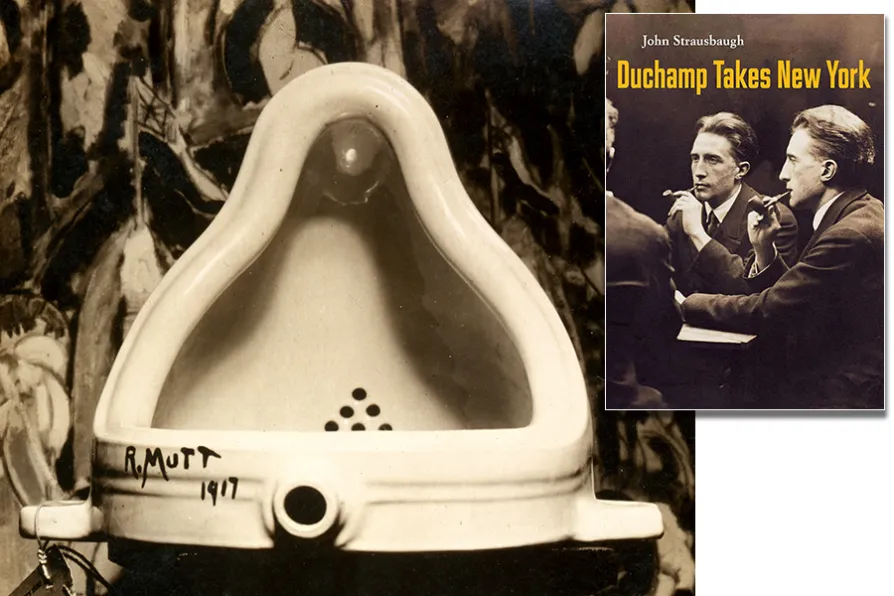
ANDY HEDGECOCK relishes an enlightening and witty biography of one of the 20th century’s most restless and influential artists
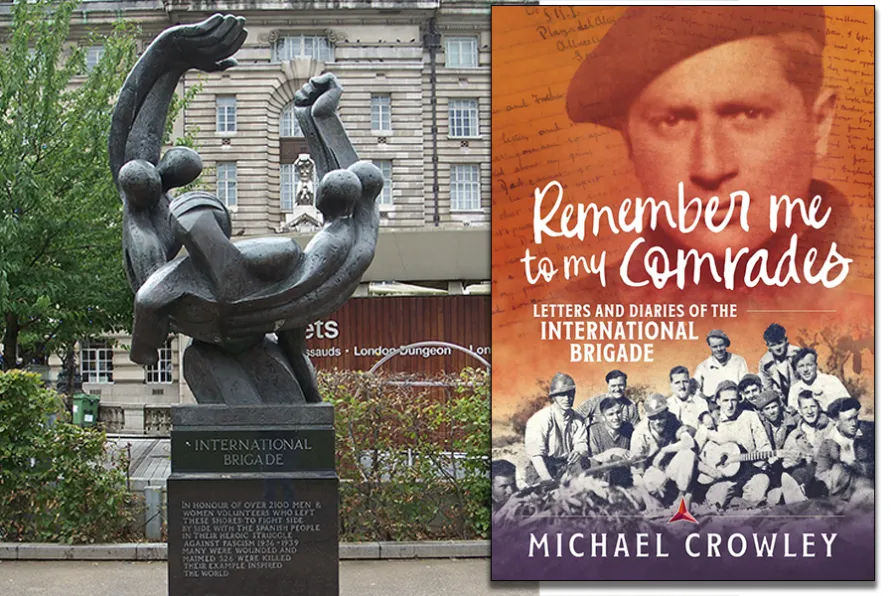
SUE TURNER recommends a rich and varied selection of the letters, diaries and memoirs of British volunteers
KIM CULLEN enjoys the survey of social work and working-class lives to be found in the superb work of British-Jamaican photographer Sandra George
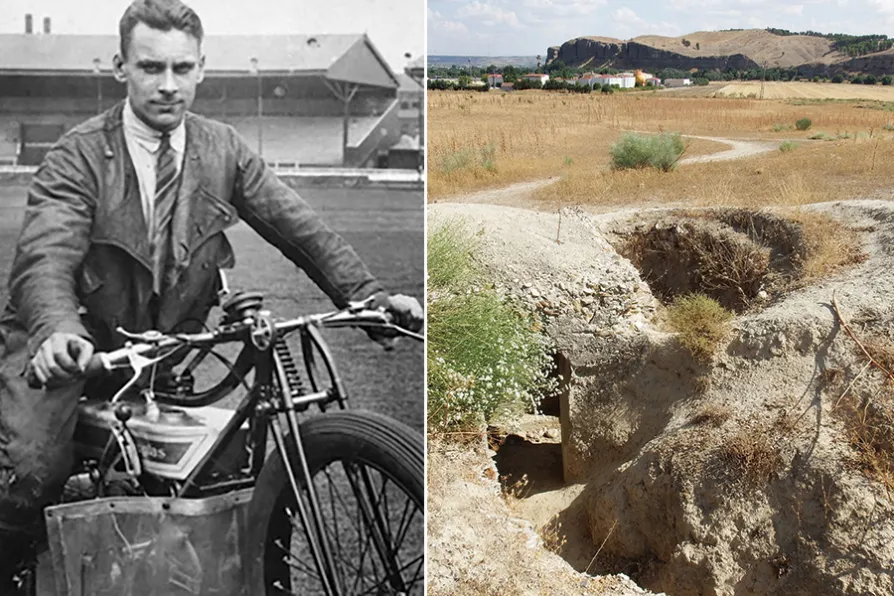
A champion motorcyclist, trade union organiser and communist, Clem Beckett went from Britain’s speedway tracks to the battlefields of Spain, where he gave his life resisting Franco’s forces at Jarama. GEOFF BOTTOMS pays tribute to this remarkable anti-fascist