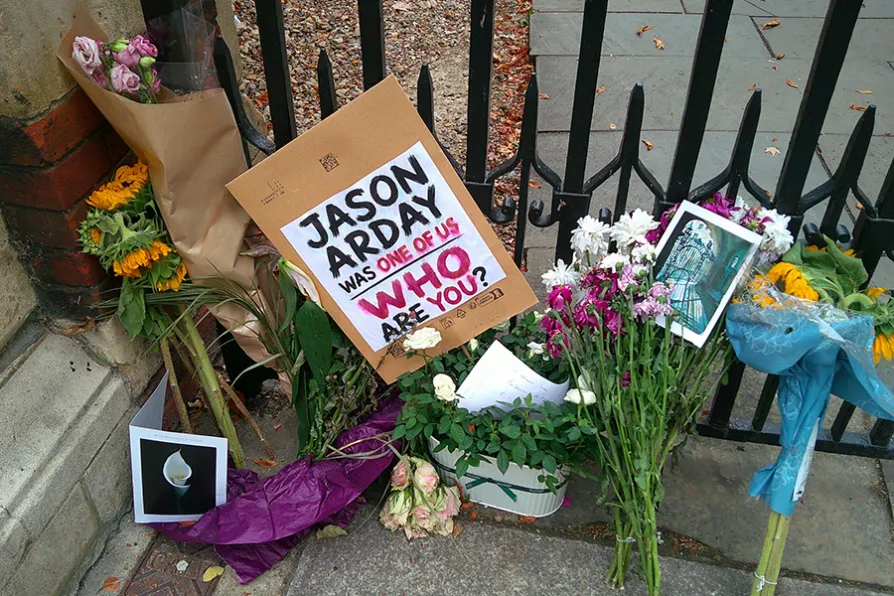
ANGUS REID urges us to understand the persecution of Jason Arday from a political and historical perspective, and to see the victim in human terms



The long road of opposition to apartheid
NADIA JOSEPH welcomes a survey of the role that TV played in the debate over apartheid and race relations in Britain
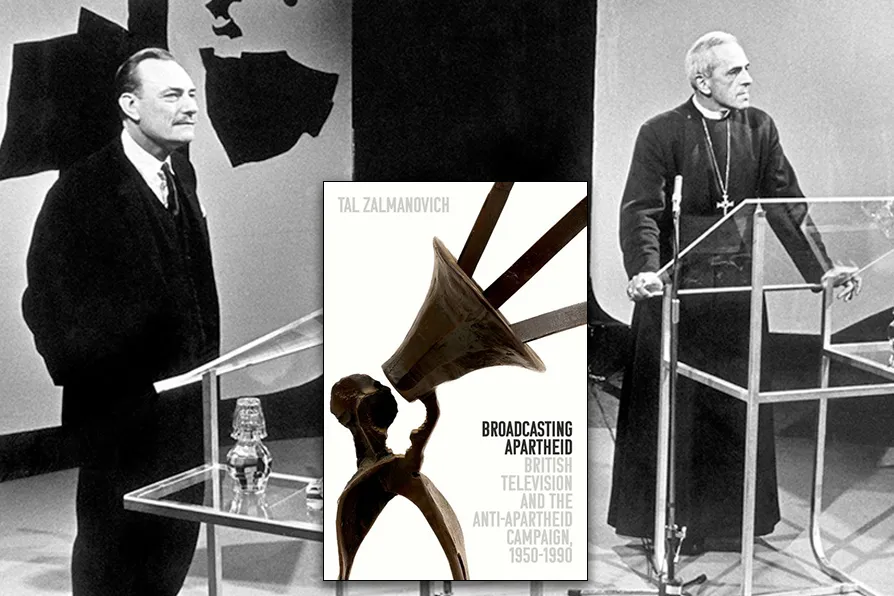
 THE RACE DEBATE ON TV: Anti-apartheid Bishop Trevor Huddleston debates Tory MP Enoch Powell, October 12, 1969
Re-releases of the classics Gypsy Rhumba and Buena Vista Social Club, and a stunning album by Palestinian artist Faris Ishaq
Nothing, says ANDY HEDGECOCK, can rescue this undistinguished amalgam of ponderous melodrama and shallow philosophical speculation
JAMIE BRITTON invites readers to visit 3,500 locals as part of a marathon artistic pub crawl
JOHN GREEN welcomes a valuable and incisive analysis of a world become hyperpolitical but without the mass movement institutions to represent it





British television and the Anti-Apartheid Campaign 1950-1990
Tal Zalmonovich, OUP, £64
GIVEN the apartheid regime’s strict censorship laws and banning of television until 1976, Tal Zalmonovich’s book Broadcasting Apartheid focuses on how the issue was covered here in Britain.
She opens with a description of the BBC’s televising of the Free Mandela at 70 concert that took place on July 11 1988 at Wembley stadium and argues that it “is remembered as the greatest achievement of the British Anti-Apartheid Campaign.”
This event is by no means the sole focus of the book but informs the reader of the author’s destination in her reading of this history. Zalmonovich explains how the Apartheid regime tried to curtail critical coverage of its policies and how it battled to exert control in Britain over the representation of its governance.
She develops her argument through seven distinct chapters beginning with the ITV reporter Brian Widlake’s interview with Mandela who was then working underground. Zalmonovich’s interpretation of the location, Mandela’s clothes and the content and tone of his words, in contrast to Widlake’s, illustrates how the viewer’s perception was shaped.
The second chapter examines how Trevor Huddleston used his position as a Christian leader to challenge the apartheid regime by encouraging famous people, including artists in the entertainment industry, to join the campaign. Zalmonovich analyses the TV debate between Huddleston and Enoch Powell that took place at a time of heightened racial tension in Britain linking apartheid to the racist legacy of Britain’s imperial past.
Television followed print journalism then progressed alongside it and, as Zalmonovich argues, overtook it in terms of global reach. Nevertheless, print journalism continued to play an important part in the Anti-Apartheid Struggle.
She examines Play For Today, various sitcoms, comedy shows and the work of progressive writers, actors and directors, including the South Africans Lionel Ngakane and John Kani, in their exploration of apartheid. Interestingly, the first heart transplant which took place in South Africa, informed the material of the “Blood Donor” episode of the long running sitcom Til Death Us Do Part.
What may have been produced as simple sitcoms were not necessarily read that way. In fact, they can tell us much about the state of the nation politically and culturally as well as the modes of cultural production at the time. Zalmonovich draws on critical thinkers including Raymond Williams to help underpin her arguments.
Television was only allowed in South Africa in 1976 owing to the government’s paranoia that their control might be challenged by outside interference. This was also the year of the Soweto Uprising which reporters from all over the world, working in print, photojournalism, TV and radio covered, much to the annoyance and concern of the regime. It desperately tried to stem the growing wave of resistance not only inside the country through use of its racist laws but also by preventing further dissent by controlling information exchange.
Initially, only white South Africans were allowed television. It was later available to other racial groups, but as Zalmonivich writes, it remained unaffordable to most of the population. She dedicates a chapter to the Royal Wedding of Prince Charles to Lady Diana which took place in 1981.
In a detailed account, she covers the action taken by trade unionists working in TV, primarily Equity and the Musicians’ Union, and how their longstanding resolutions against apartheid came into great effect through direct action during this much hyped televisual spectacle.
Finally, the book comes full circle to the 1988 Mandela Concert. Zalmonovich explains how the various working parts that were involved in its planning made it happen.
Whilst it’s true that it was a huge success and resulted in doubling the AAM’s membership, it’s important to remember the long campaign prior to that moment and to recognise the significance of print and photojournalism as well as TV news coverage in educating people about apartheid. South African publications like New Age and Drum magazine as well as newspapers here, including the Morning Star, consistently covered South African politics.
Decades of campaigning against apartheid through the AAM’s call for boycotts, protests, trade union activism, the contribution of exiled South Africans and, of course, the people back in South Africa is what brought about political change.
Broadcasting Apartheid is a very well researched book; written in an engaging style and offers an interesting perspective of the political and cultural period it covers.

Similar stories

ARTHUR WEST surveys the achievements of the Scottish campaign against South African apartheid and how we can draw on them to fight a rising far right
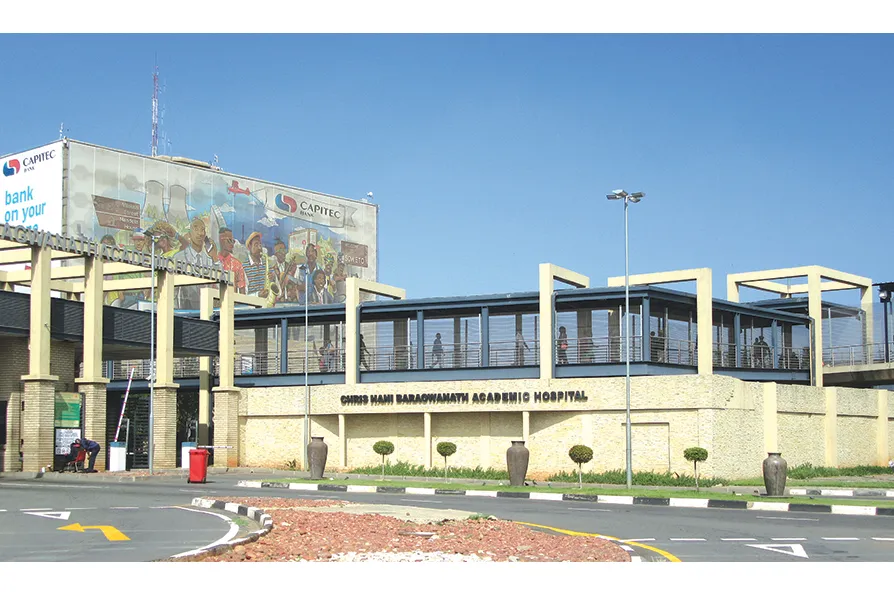
ROGER MCKENZIE recalls the one-in-a-generation communist leader murdered at the dawn of a new South Africa 33 years ago last April 10
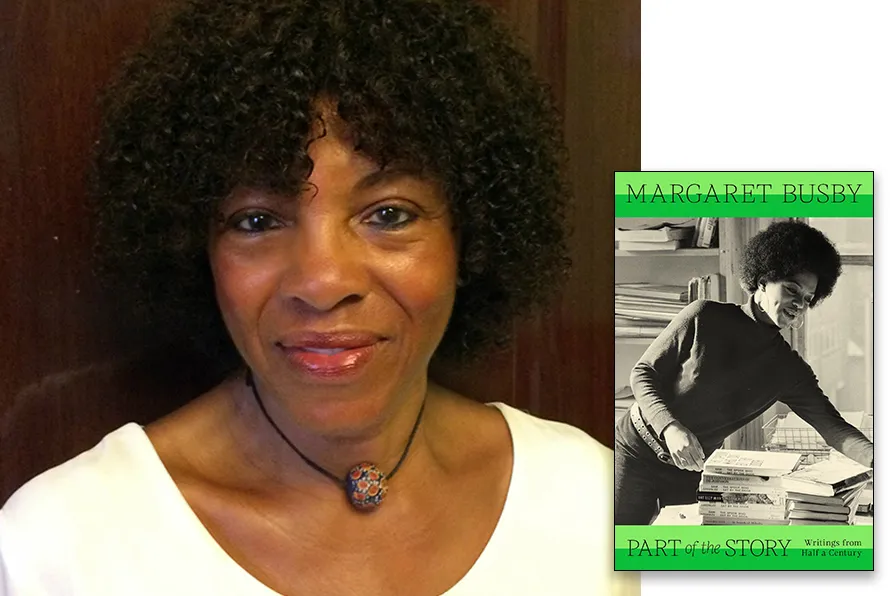
PETER MASON welcomes collected writings from Britain’s first black female publisher that focus on the place of black writers in literature
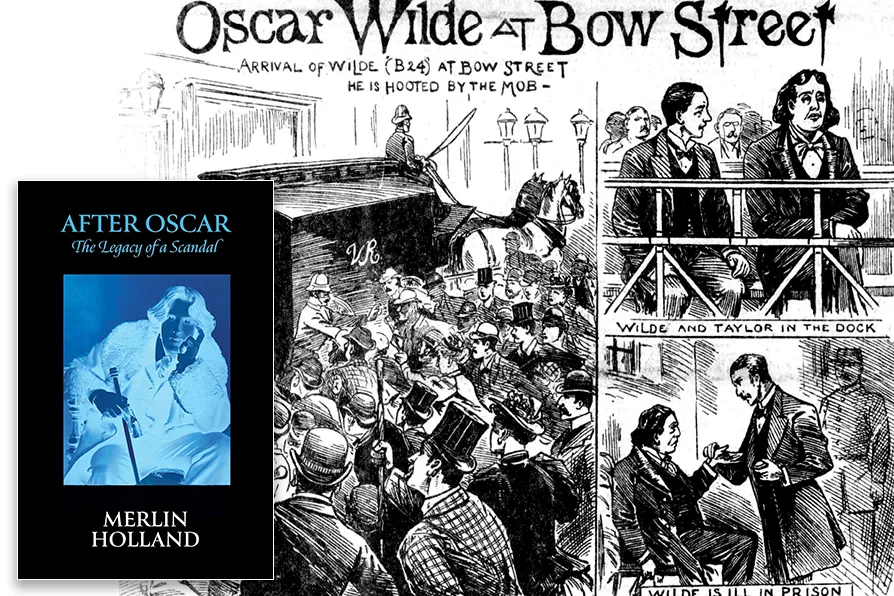
MARJORIE MAYO welcomes an account of family life after Oscar Wilde, a cathartic exercise, written by his grandson