ANDY HEDGECOCK and MARIA DUARTE review Late Fame, The Death of Robin Hood, Leviticus, and Gail Daughtry and the Celebrity Sex Pass


 Latest editorial

A champion of black authors
PETER MASON welcomes collected writings from Britain’s first black female publisher that focus on the place of black writers in literature
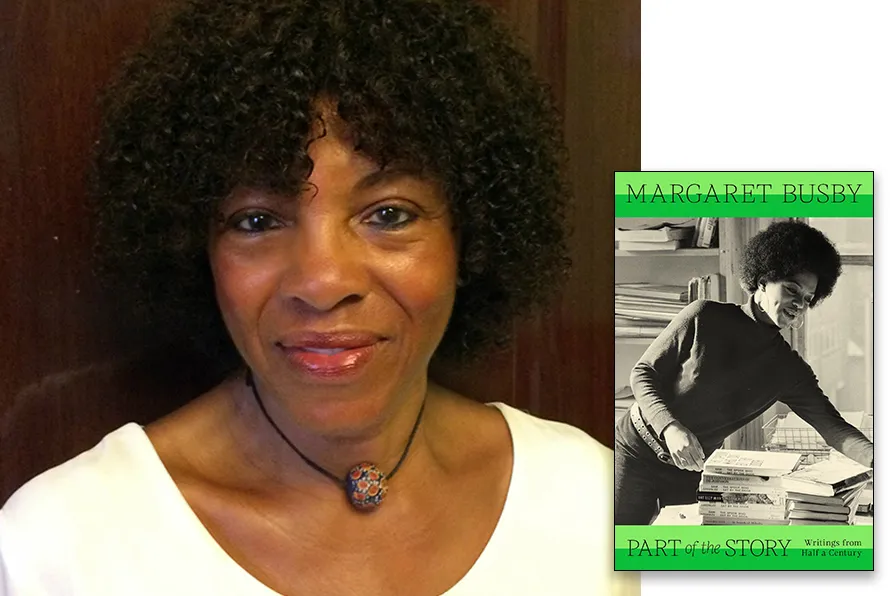 Margaret Busby [Pic: Luke Daniels]

GORDON PARSONS enjoys Kant’s ‘mind-boggling’ theory of human reality: that we create the reality we experience
DAVID RABY welcomes a biography that emphasises how Fidel’s unique characteristics became hallmarks of the ongoing Cuban revolutionary process
IAN SINCLAIR recommends a readable, if partisan, account of the astonishing campaign of New York's new mayor
MATTHEW HAWKINS witnesses a contemporary ballet that represents human life as subjected to artificial intelligence
by Marwa Paikan





Part of the Story: Writings from Half a Century
Margaret Busby
Hamish Hamilton, £22 hardback
BEST known as one half of the Allison & Busby publishing company, Margaret Busby became Britain’s first black female publisher when she co-founded that business with Clive Allison in 1967.
Since then she’s championed many authors who might otherwise have failed to see the light of day, and has also pulled together a number of anthologies, including two influential volumes showcasing the writing of black women from around the world.
However, Busby has had a long parallel career as a freelance journalist and broadcaster, and it’s her work in that sphere that forms the bulk of this substantial collection of reviews, obituaries, programme notes and thought pieces — her first book as an author, rather than as an editor. Though billed as covering the past 50 years, most of the writing is from the 1990s onwards.
In publications ranging from the Literary Review, the Times Literary Supplement and New Statesman to the Independent, the Guardian and Third World Quarterly, much of Busby’s work has been focused on race, and, more specifically, on the place of black writers in literature.
The strength of many of her pieces, including tributes to Derek Walcott, Toni Morrison, Maya Angelou and CLR James, it that they come from a perspective of actually having known such important figures, allowing her to inform her profiles with first-hand knowledge.
Likewise, her lengthy experience in publishing lends special resonance to her thoughts on how that business chooses to exclude and include.
Some of the best pieces, notably a transcript of a speech to the Bath Literature Festival in 1995, consider how Busby, and other black authors in a similar position, have had to strive to become “part of the story” without losing their sense of self. Indeed, there’s a preoccupation with identity across the selection, for which Busby is unapologetic.
Not everything is riveting — in general the book reviews are the least engaging, given that they’re essentially transitory in nature.
But there’s more than enough that stands the test of time, including a personal reflection on the joy of radio, an account of a first visit to South Africa after years of anti-apartheid campaigning, and a sometimes emotional piece about her mother.
There’s also a moving remembrance of Allison, an informative reflection on her early days in Ghana, and, in the final offering, a potted history of her life that touches on many of the themes revealed elsewhere in the book.
Although there has been some judicious editing throughout, Busby has kept the words more or less as they were written in the first place — an attempt, she says “to impart something of the temper of the times in which I wrote them.” Even with that qualification, much of what she has written remains entirely relevant today.

Similar stories

A misfit couple unhappily ever after, a dead man walking, dodgy journos, and trench art trucking
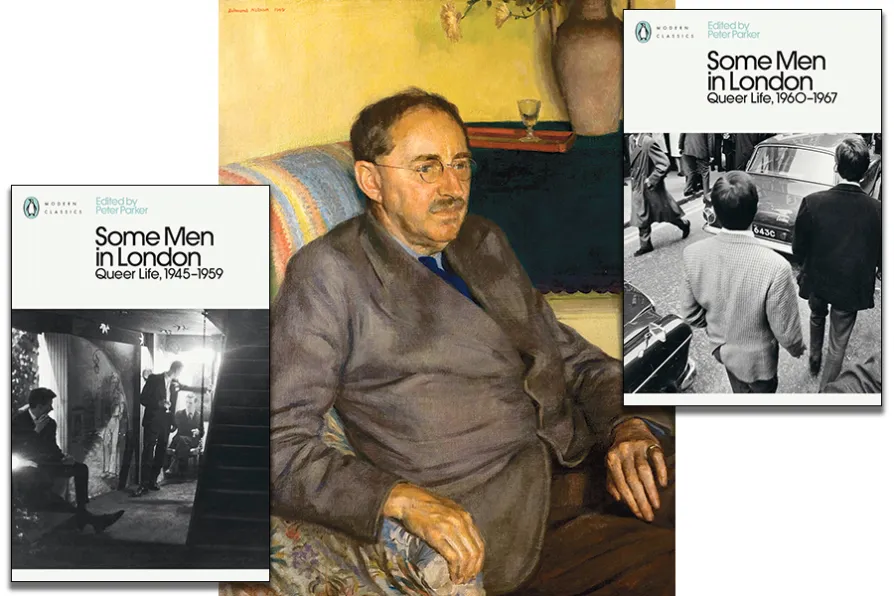
MATTHEW HAWKINS welcomes an engaging and nourishing account of the queer subculture that flourished in London between WWII and partial decriminalisation
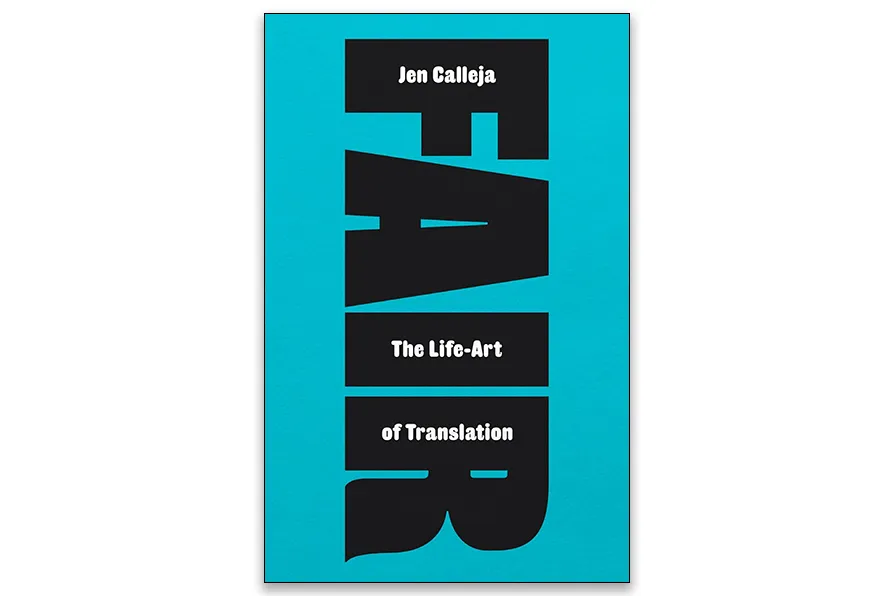
KEN COCKBURN relishes the memoir of a translator, but wonders whether the autobiography underlying the impulse would make a better book
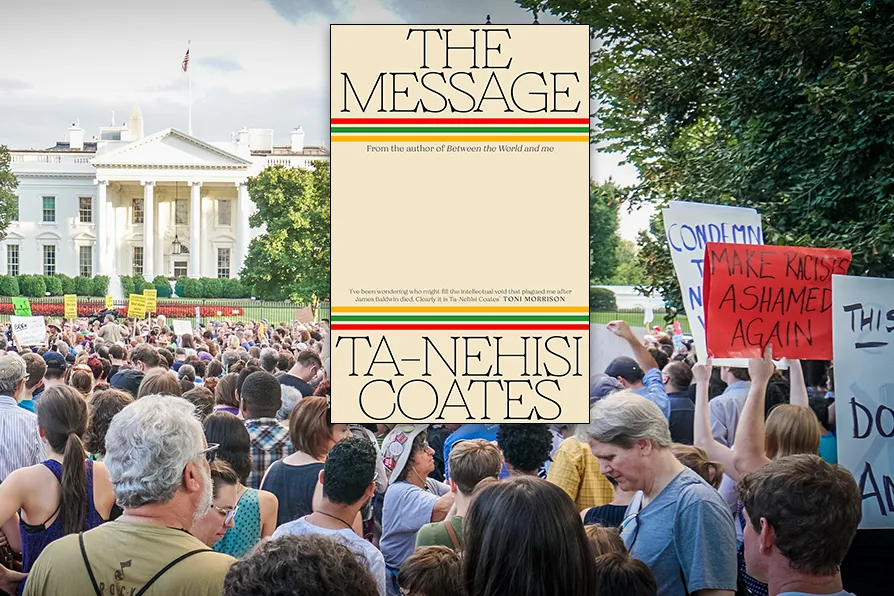
HENRY BELL welcomes a fine demonstration of the need to love the words themselves in the communication of political messages