
The US administration is endangering lives by reversing environmental protection laws, CHAUNCEY K ROBINSON argues

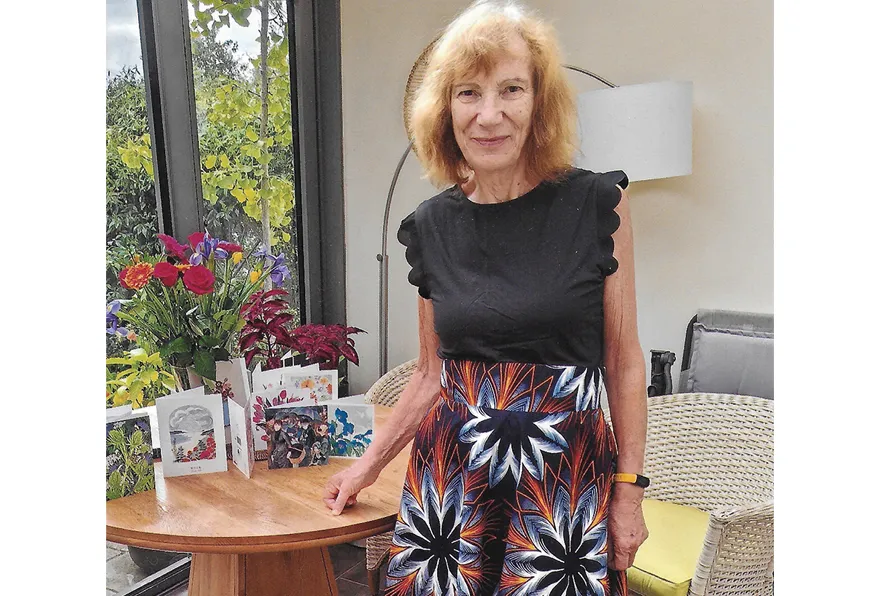
A courageous internationalist with a penchant for long dresses and radiant scarves, chunky necklaces and showy hats
Bruni de la Motte 1951-2026
 Bruni de la Motte

It’s time to stop retreating and go on the offensive to promote working-class interests, argues DOUG NICHOLLS
Marco Rubio wants to defeat socialism in Nicaragua, not restore ‘democracy,’ writes JOHN PERRY
Believe it or not, there was a time when the US government built beautiful homes for working‑class Americans to deal with a housing shortage, writes ERAN BEN-JOSEPH
DIANE ABBOTT provides an analysis of the reasons for EU and British voters’ dramatic swing to the right
Train drivers’ union Aslef general secretary DAVE CALFE speaks to Ben Chacko about his hopes that Burnham’s devolution agenda will include the importance of the railway





BRUNI DE LA MOTTE grew up in the German Democratic Republic, before marrying John Green and moving to the UK in 1988. The following year her country disappeared and was incorporated into a united Germany.
She was born in a small Thuringian village, where she went to school before going to Potsdam university, where she read English and Russian. She was a bright and passionate student, and was taught, among others, by British comrade Marguerite Morgan, and mentored by Professor Leonard Goldstein, a refugee from McCarthyism in the USA.
She was always a staunch internationalist and while in the GDR, she helped organise events in support of Allende’s Chile, a campaign for the release of Angela Davis and took part in the 10th World Festival of Youth and Students in East Berlin, held under the motto: “the struggle against imperialism and for socialism.”
After completing her doctorate in 1974, with a thesis on the work of progressive playwright Edward Bond, she went on to teach English literature at the university. She published papers in a number of academic journals, including on feminism as reflected through women writers in 19th-century English literature and the depiction of women in Shakespeare’s comedies.
The demise of the GDR saddened her considerably and she felt “her country” had been confiscated in her absence. She never felt comfortable in the united Germany with its revanchist politics, demonisation of the GDR as a “Stasi State” and its treatment of former GDR citizens, particularly those who attempted to hold on to socialist values.
As a German specialising in English literature it was almost impossible for her to find work in UK academia, so she freelanced as a journalist for a time, writing for various German language newspapers, reporting on the social and political scene in Britain.
Her work included two in-depth interviews with Tony Benn and with Harold Pinter for the newspaper Neues Deutschland. She also wrote articles for the Guardian and New Statesman about her experiences of living and working in the GDR, as well as a number of pieces for the Morning Star.
She has given a number of interviews for podcasts about her experience growing up in the GDR. And, together with her partner, John, in 2015 she co-authored a short history of the GDR and its demise (Stasi State or Socialist Paradise), which is still popular among students of the period seeking an alternative perspective to the distorted history presented by most of the mainstream press and academia.
In 1990, she took the decision to change career and began working for Unison, the public service trade union. There, she progressed rapidly from secretary to become a national officer, working in the union’s department responsible for the education sector, work which she found challenging, rewarding and useful.
Unison represents school and sixth-form college support staffs and nursery workers. There, she was passionately involved in campaigning for proper training and qualifications for nursery staff and for school support staff to be given full yearly contracts, like teachers, rather than being paid for term time only, as was the practice.
After retiring from Unison in 2016, she also became an avid gardener in her small west London garden, ensuring that there was a something in blossom at all times of the year, reflecting her love of flowers and bright colours.
Among her friends she was known for her love of vibrant clothing and flamboyant patterns, always dressing in bright, long dresses and radiant scarves, chunky necklaces and showy hats.
She also became a trustee of the Marx Memorial Library and played an active role there during a time of its transformation into the vibrant educational centre it has become today.
She was involved in the organising of the Marx 200 conference in 2018 and was elected to the editorial board of the library’s journal, Theory and Struggle, where she edited the book review section. With the onset of the cancer which eventually took her life, she resigned as a trustee in 2025.
She remained a committed socialist, feminist and internationalist – even weeks before her death she was still talking politics with the nurses in the NHS hospitals, discussing Palestine and the evils of government cuts.
Bruni de la Motte was born on September 10 1951, in Beesenstedt, Thuringia. She died on February 2 2026.

Similar stories

by Weyman Bennett and Maz’s family
19.01.1930-23.04.2026
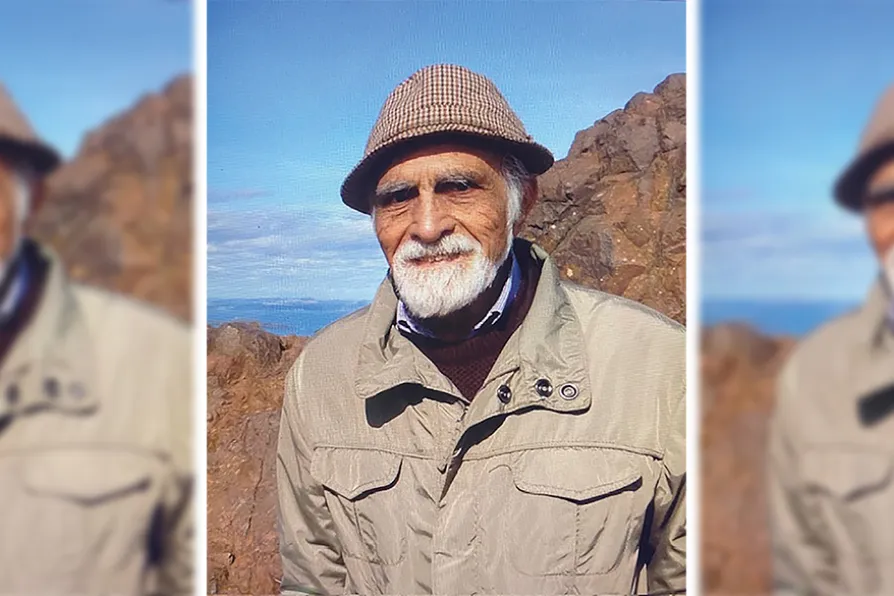
Kate Clark pays tribute to Ricardo, whose life spanned the hopes of Allende’s Chile, the horrors of military dictatorship and decades of campaigning for justice in exile
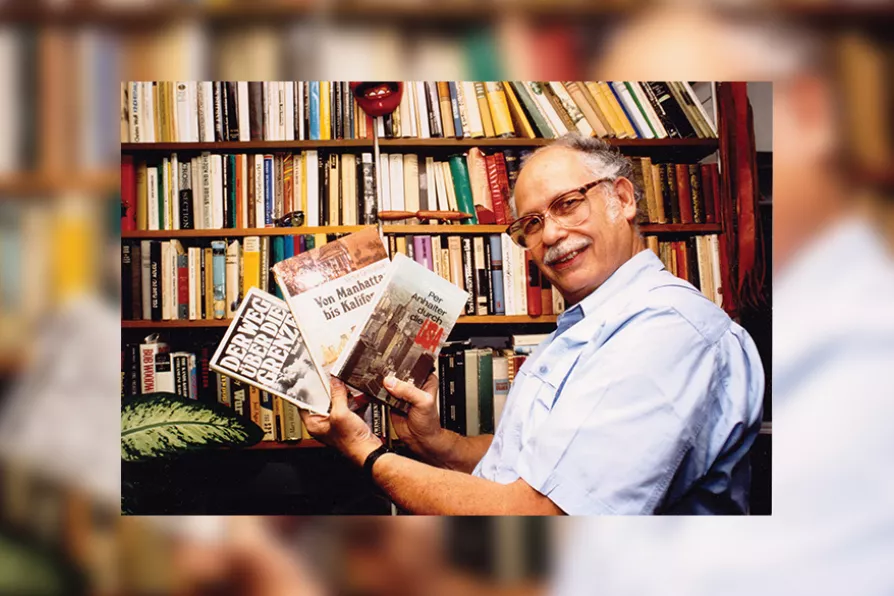
Hundreds in Berlin gathered on January 15 to honour the US-born socialist who made East Germany his home. Florentine Morales Sandoval reports
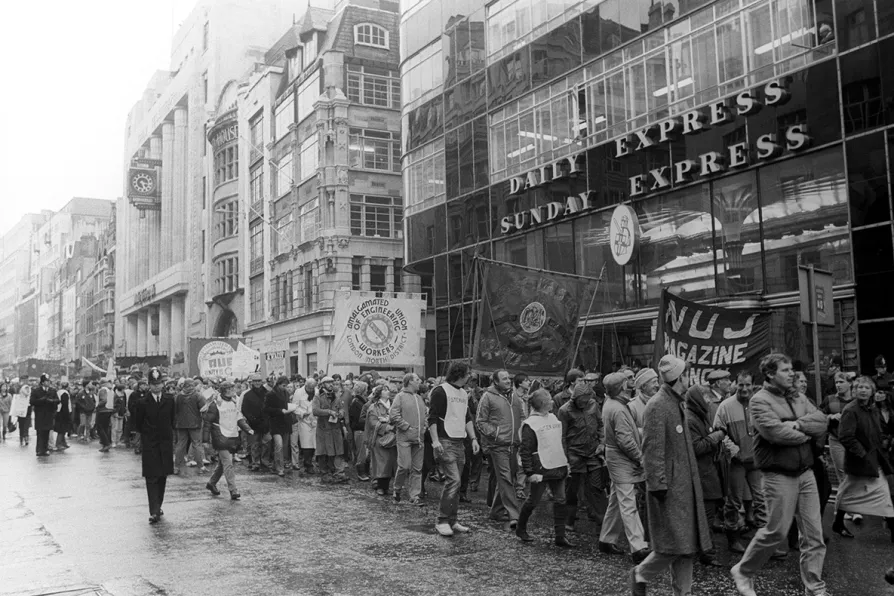
The newly catalogued News International Dispute Archive ensures the history of the Wapping dispute – and the solidarity it inspired – is preserved, accessible and alive for future generations, says MATT DUNNE