DOUG NICHOLLS says the parasitic finance markets must be challenged or another British government could be toppled


 Latest editorial

Building union power for the battles ahead
As delegates meet in Brighton this week, Unison faces pressing questions about pay, organising, workers’ rights and political representation, explains ANDY CHAFFER


The late country singer’s Imagination Library has put hundreds of millions of books into children’s hands. We should build on that legacy by defending the libraries at the heart of our communities, says BRENDA AITCHISON
Deprivation is a fundamental factor in criminal behaviour that must be addressed but, KENNY MacASKILL argues, there needs to a major rethink in sentencing to tackle overcrowding
MML director MEIRIAN JUMP outlines the recently refreshed library’s busy autumn schedule that ranges from book sales, archival exploration, community work with online education and the ever popular site tours
Some thinkers and authors on the right are openly discussing the possibility that the historically successful party of the British ruling class may be exhausted
Class struggle is the motor of history but the direction and detail of change at any time and place is the outcome of many factors, suggests the Marx Memorial Library and Workers’ School
TONY BURKE surveys the shifting political landscape and the challenges Labour needs to address if it is to prevail in the 2028 federal elections





WE GATHER in Brighton for our 2026 national delegate conference at a time in which our services are dramatically underfunded and under-invested in and very aware that public-sector pay has not caught up with the enforced pay restraint we suffered under the previous Conservative administration and now Labour government.
Unison members and their families are also living in a country that is becoming more politically divided with the right-wing populist Reform party now ruling some of our local authorities or being the largest party.
We have a Labour Party and government that seems riven by division as it does not understand that each time it turns to the capitalist Establishment’s needs, it loses more of its working-class support.
And in the midst of this, global instability and destabilisation is on the rise, with the US administration fronted by Donal dTrump and his allies lurching from one extreme action to another — from the illegal war on Iran, to the kidnapping of the president of Venezuela to the cruel and inhumane oil blockade of Cuba.
At this conference Unison needs to develop its strategy for the future, devise policy to offer an alternative to Reform and other populist parties, defend all of its members under attack from the government including women, black, migrant, disabled and LGBT+ workers and also enthuse the delegates with the need to build for greater industrial action to fight for an alternative economic and political future.
Tuesday will see us debate how we increase the engagement of low-paid women to be active in our union and movement. This is a vital necessity in a union that is 80 per cent women and predominantly low paid.
Engagement of low-paid women activists must be alongside a credible organising strategy to raise the pay of these workers. Hence, any strategy to engage low-paid women must be central to our union’s Organising to Win strategy.
The empowerment and development of all women will increase Unison’s activity and ability to deliver action on its priorities.
The Justice for Migrant Workers debate is going to be a highlight of the conference as migrant workers tell us about their fight for their rights and against the visa law changes that are being imposed by the Labour government.
Migrant workers in Unison have organised a powerful campaign against the government for a fair visa system.
The union’s industrial strategy Organising to Win is the debate on Wednesday morning. This debate will see speeches on how branches have won strike and other ballots over the last year, including the Gloucester phlebotomists’ long strike for better pay.
The strategy of Organising to Win is about developing members’ ability to stand up and fight and win as a collective.
We then hear from Andrea Egan, the general secretary of the union. Andrea took office in January, and this will be her first speech to the lay activists since she was elected. Her response to the warmongering in the Labour Party will be one to look out for as Unison is traditionally for peace and social justice not rearmament and war.
The afternoon sees discussion on the new rights from the Employment Rights Act and on why we need to go further than the government has legislated for. Further to this, the government have been dragging their feet even to implement the changes in the ERA.
Motion 44 is a motion that we should fight to be reprioritised for the Friday, as it explicitly calls for the link between the e-ballot and the industrial action thresholds to be rejected and for Unison to campaign for an immediate end to all industrial action ballot thresholds.
International issues come to the fore on Thursday morning with a planned address by Shaer Saed, general secretary of the Palestinian General Federation of Trade Unions followed by a debate on our union’s solidarity with Palestine and stepping up our fight for Palestinian statehood and their rights.
The debate on Cuba and the Viva Cuba campaign to end the blockade and provide practical solidarity to the Cuban people will show Unison’s internationalism it its full glory. At a critical time for Cuba, Unison must show its solidarity not just in words but in action, committing to fundraise harder for the Cuba Vive campaign, and press our own government to act.
Friday morning will see a debate on Reform. Often missing from these debates is much-needed class-based analysis. Any confrontation of Reform must have at its core a class analysis which doesn’t seek to patronise working-class people but offer a real alternative to fight for and educate on Reform’s regressive policies.
We must also be clear as a union that the increase in support for Reform hasn’t happened in a vacuum; it has happened due to successive Labour and Tory governments which have been committed to an agenda of austerity and war.
After Labour failing to deliver for working people, our response must be getting more militant and organised in our workplaces and fighting for an alternative political economic model.
With a turbulent political environment, Unison needs to be bolder and stronger to win for our members and challenge this unpopular, warmongering government and fight for an alternative.

Similar stories
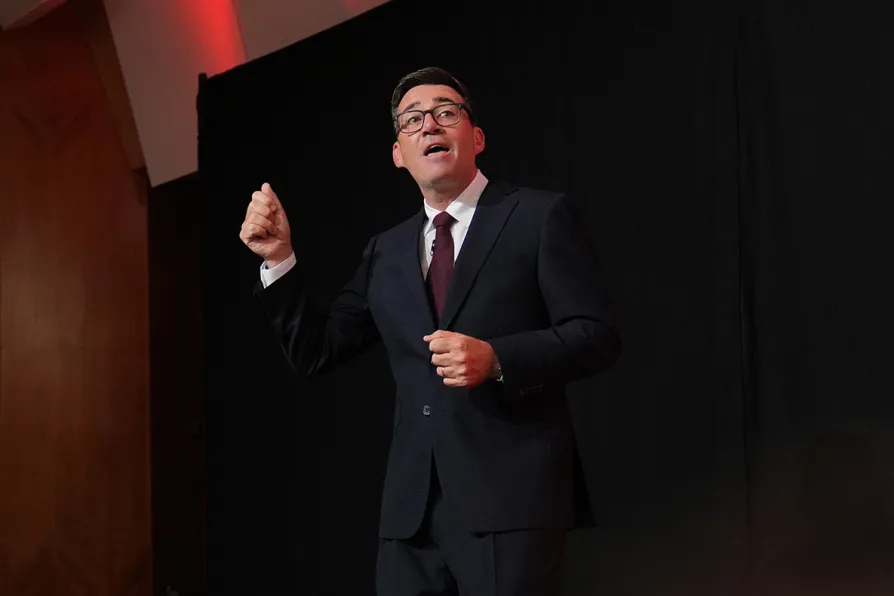
Unison national officer CLARE WILLIAMS spoke to the Morning Star about the union’s priority campaigns and why they will not let up just because the Prime Minister has changed
Trade unionists are mobilising to support Cuban workers and public services, amid escalating US pressure on the socialist island. RONAN OGILVY explains
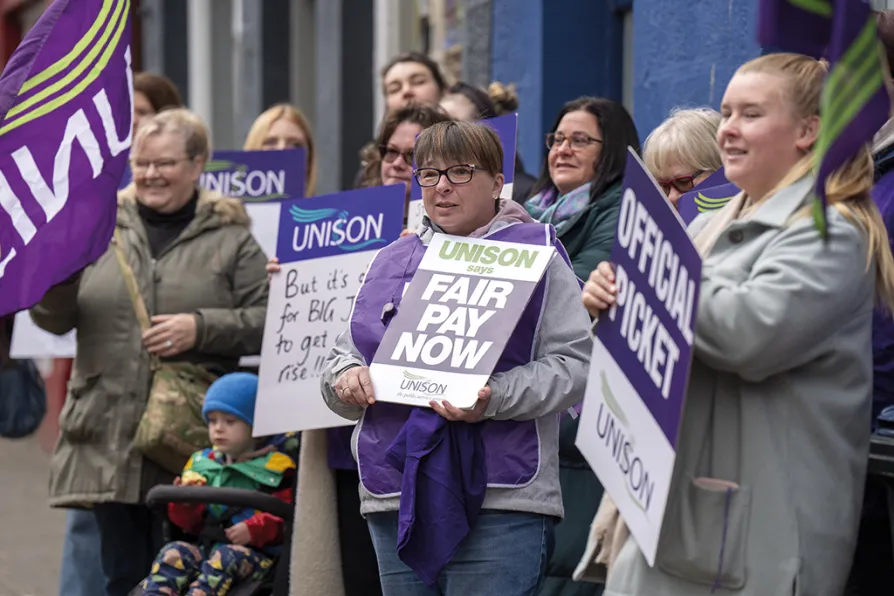
As Unison launches its Year of Women Workers, ANNIE COGAN-THOMAS argues that stronger organisation and collective bargaining are essential to winning equality
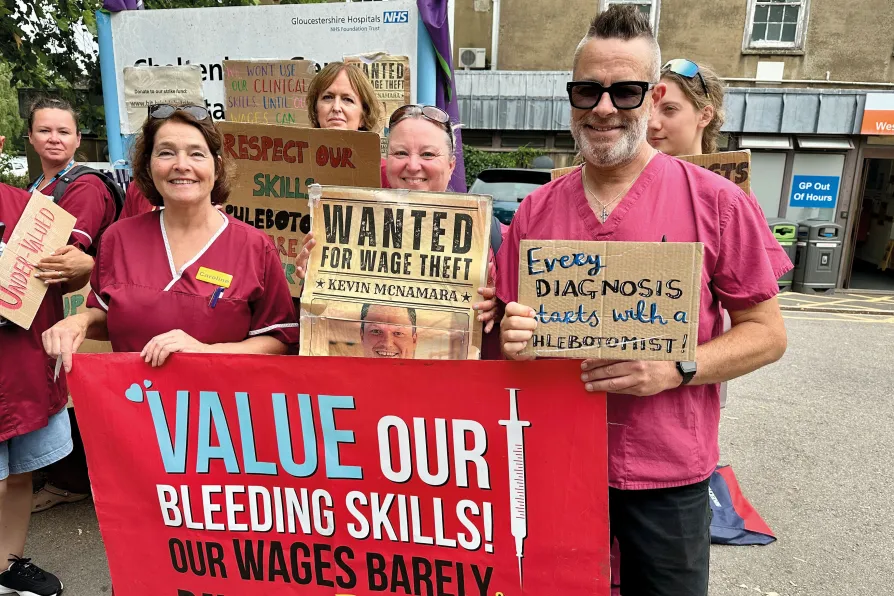
ROGER McKENZIE calls for greater support from trade unionists and the general public for female workers involved in industrial disputes