Latest editorial

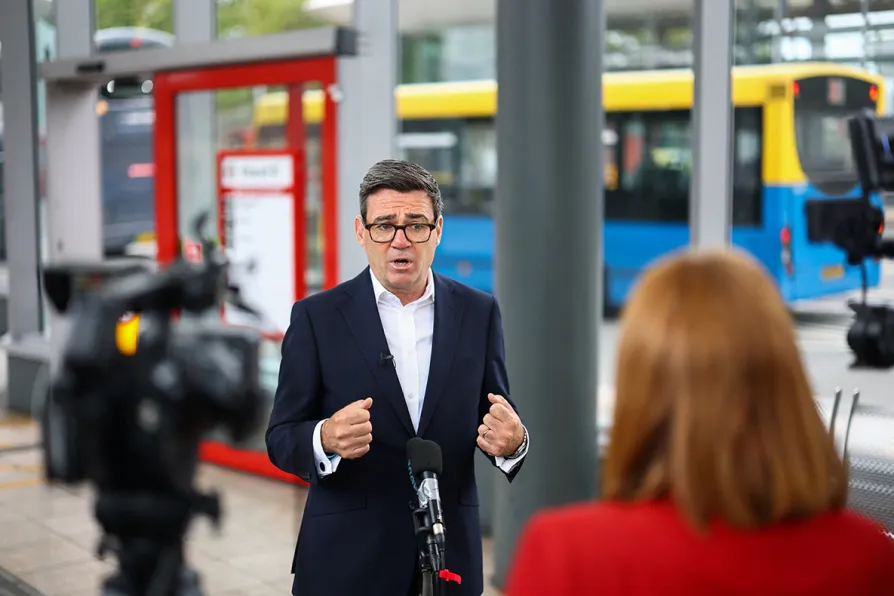 Prime Minister Andy Burnham speaks to the media during a visit to Wolverhampton bus station, August 18, 2026





EXTENDING free bus travel for disabled people so it applies 24 hours a day might seem like a small thing.
If it is a starting point, however, indicating the government’s intentions to rationalise the transport system and assist those who need it to participate fully in society, it could presage something bigger.
We should not get ahead of ourselves. The Conservative whinge that Andy Burnham’s government is simply “shuffling around… existing departmental budgets” is not a fair criticism in general: what governments spend money on is as important as how much they spend.
Indeed, as RMT leader Eddie Dempsey often points out, overall public spending as a share of GDP has not significantly changed since Margaret Thatcher’s day, despite decades of attacks on the public sector.
The difference is that instead of spending on directly providing services or building homes, state spending is now used to funnel money to the rich, via commissioning of privatised services and subsidies to business, both directly and indirectly through social security payments which compensate for poverty pay or extortionate rents.
That big picture stuff isn’t addressed by lifting time-of-day restrictions on disabled bus passes though.
The Tories presumably resent that on two counts — hostility to public transport, and to the disabled.
The left could, with more justice, criticise the limited scope of the decision: too many of Burnham’s offerings offer small-scale relief when fundamental reform is needed. Witness the VAT cut on electricity bills (when the energy sector should be nationalised and bills brought down directly) or the lowered cap on bus fares (again, rebuilding a proper transport network requires public ownership and reopening the thousands of routes axed as unprofitable since privatisation).
It would be churlish to ignore the potential of a little reform like this to set a new direction, though.
For all the long Tory years the mantra “make work pay” was never deployed to demand bosses (in the private or public sector) pay higher wages or reduce workloads. It was always a call to make worklessness more unbearable by attacking social security payments.
Disabled people were top targets of the Conservative-Liberal Democrat coalition. Wildly exaggerated claims as to the prevalence of benefit fraud (backed by then director of public prosecutions Keir Starmer) and poisonous rhetoric about “shirkers” burdening the economy accompanied the infamously unfit-for-purpose “fit for work” tests rolled out by Iain Duncan Smith at the Department for Work and Pensions. How serious Duncan Smith actually was about helping disabled people into work was shown by his simultaneous closure of the government-subsidised disability-friendly manufacturer Remploy.
Extending free bus travel so it applies before 9.30am is a gesture in the right direction — that government will seek to make it easier to work for those who want to, not just punish people who face difficulty.
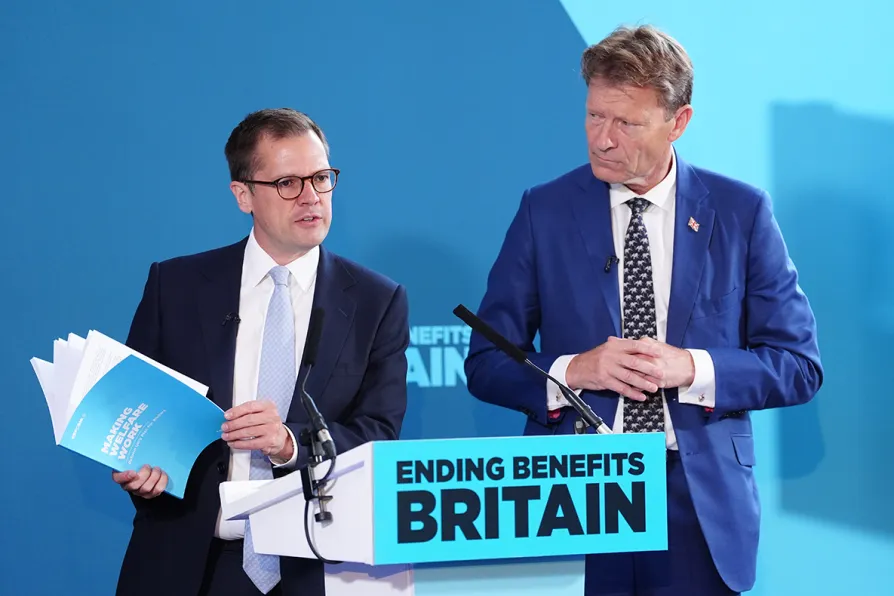
Coming after ex-Tory and current Reform chancer Robert Jenrick’s renewed attack on disabled people last week, and following the Starmer government’s attempts to cut social security further, the change of tone matters.
It should also draw attention to the wider injustice of “peak times,” a market-driven penalisation of anyone who has to travel at the busiest hours of the day — such as when going to or from work.
Forcing those with no choice but to travel at those times to pay more — often hugely more — for the privilege might make bigger profits for privatised operators, but puts obstacles in the way of getting people into work, a stated government priority.
Labour needs to be made to follow its baby steps through to their logical conclusions.
Stop treating people with chronic conditions as scapegoats for Britain’s economic problems and start planning policy that helps enable full participation in society, including the workplace where possible.
And stop allowing profiteering business to dictate prices for essential services in ways which undermine the wider economy.

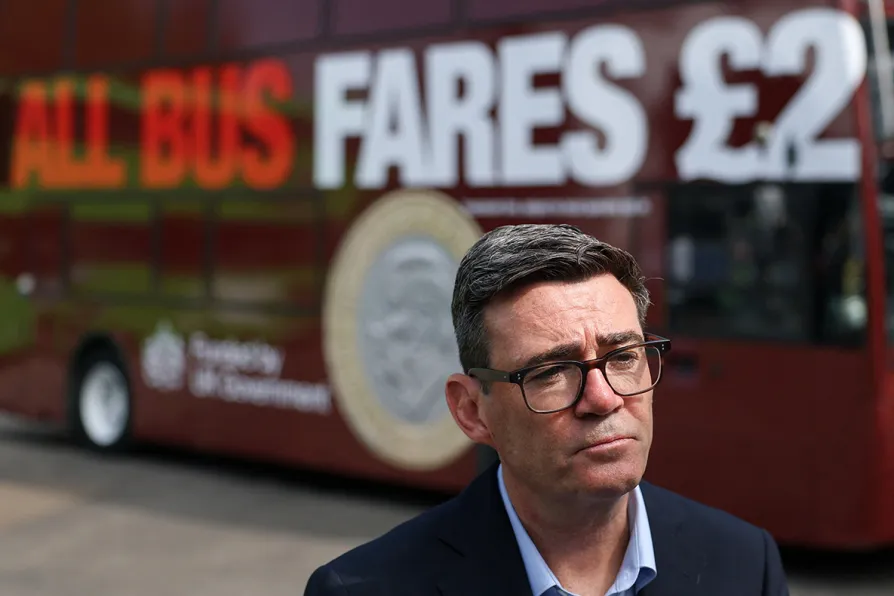
Mr Burnham's £2 cap on bus fares welcomed by trade unions
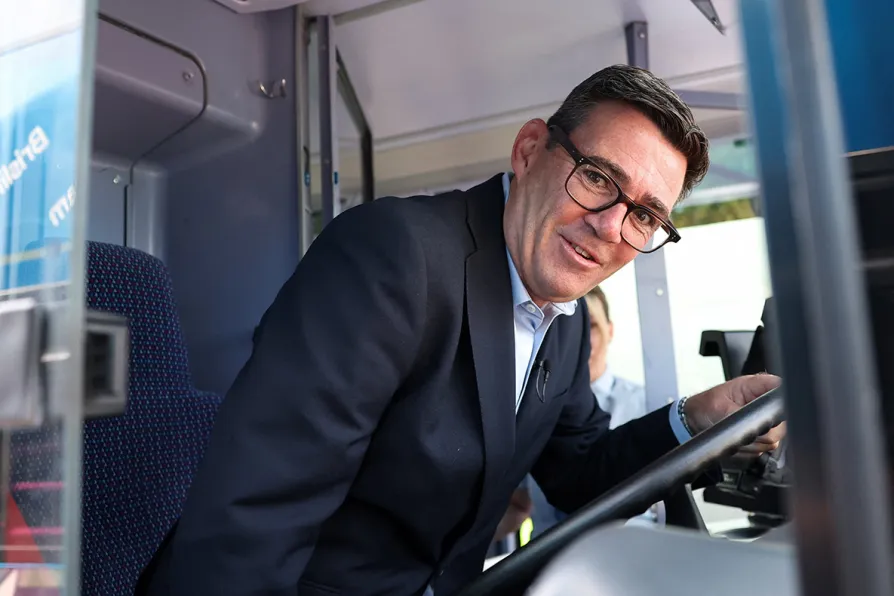
Waiting for the grander vision to emerge