

 Latest editorial

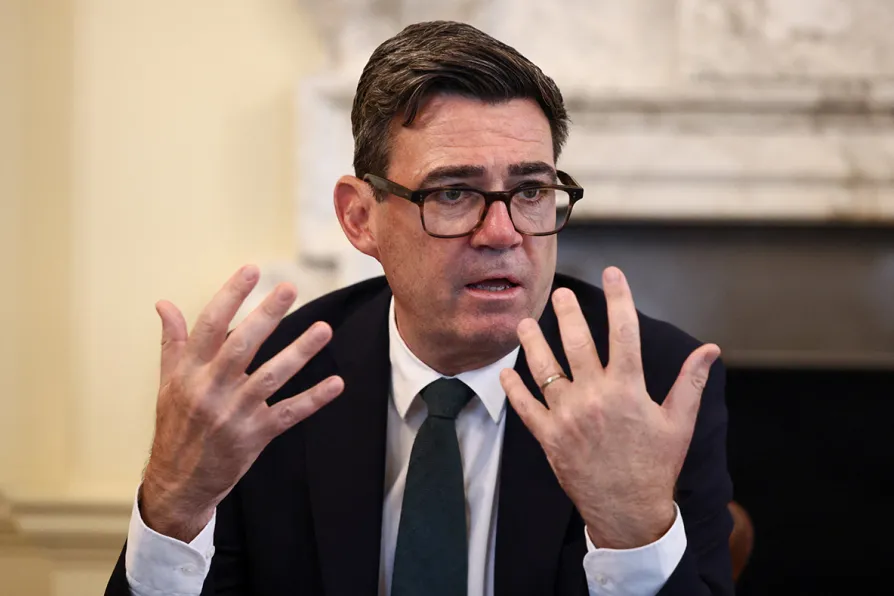 Prime Minister Andy Burnham during a meeting with leaders of the Jewish community at number 10 Downing Street, Westminster, September 3, 2026





ANDY BURNHAM, like all politicians who think of themselves as social democrats, is compelled by the logic of the capitalist system to choose between spending which begins to satisfy the legitimate desires, and indeed demands, of working people or meet the insistent demands of the bond markets.
The Daily Telegraph, ideologically the polar opposite of this newspaper, expresses this problem as a function of parliamentary politics: “Burnham is caught between the bond market and his own MPs.”
This is true as far as it goes. The members of the Parliamentary Labour Party are intensely interested in their chances of re-election and it is this which drives their thinking more than any political principle, which, for most, is not even couched in traditional social democratic terms.
The immediate political problem for the working-class movement, for the trade unions and the left, is how to exert a countervailing force that can negate the pressure of the bond markets. For the moment this must entail putting pressure on the people who make up Labour’s windfall majority.
The longer-term problem is how to put the bond markets out of existence.
The ideological force exerted by the bond markets is expressed in the fiscal rule to which our new Prime Minister has shackled himself. And in this he is tied hand and foot to John Healey who, as chancellor has the task of reconciling the political necessity to sanction enough social spending to give Labour a chance of winning an election with the drive by the EU and Nato to finance a hot war with Russia.
Just to be clear, government borrowing costs earlier this week went well over the 5 per cent. This is where they were during the 2008 capitalist financial crisis. Servicing this debt — essentially channelling millions more to the rich who own it — is incompatible with increased social spending.
Some of this is due to the economic effects of Donald Trump’s war on Iran which has spiked the cost of energy, some is due to the instability of states with extravagant debt levels.
The US national debt has reached $40 trillion. Proportionally, Japan’s debt is twice that of the US. Japan and the US have just run a temporarily successful bid to stave off a crisis by deploying dollars to prop up the yen. But the big fear is that Japan will start to flog off its holdings which are mostly in US bonds but Britain and other European countries, including Germany, with its ailing economy, are also exposed
This is just a snapshot of the present situation.
To complicate the picture the US Treasury Secretary Scott Bessent has been charged by Trump to rescue his Iran adventure with ramped-up secondary sanctions which can only work with an open assault on the Chinese banking system.
To say that capitalism means war is to sum up the history of this century and the last, and much of the one before.
The forthcoming Trades Union Congress has before it the task of elaborating a strategy that serves the interests of working people before those of the rich and the super-rich and translating it in political action.
In this it has an enormous strategic reserve in the expressed desires of millions of workers for secure employment, decent social services, an NHS free of privatisation, enough housing for everyone and an education system that serves the people as a whole.
For our working class to claim political leadership takes clear thinking, bold leadership and organisational heft. And it means abandoning the illusion that increased military spending is a guarantee of anything other than war.

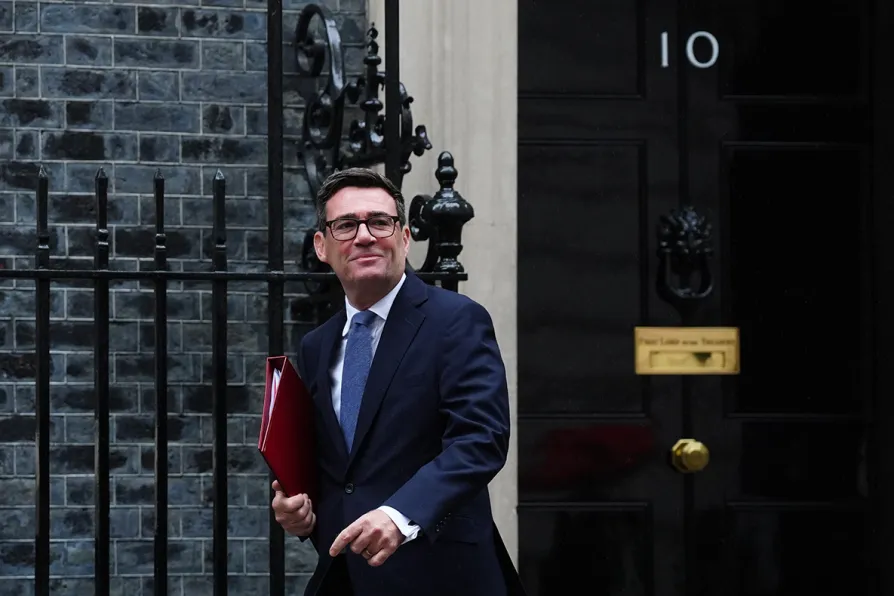
PM tells MPs he want welfare cuts and backs Nato demands for soaring military spending

Growing instability in the US economy and financial markets could have serious consequences worldwide because of the central role of the US dollar and financial system, argues MICHAEL BURKE
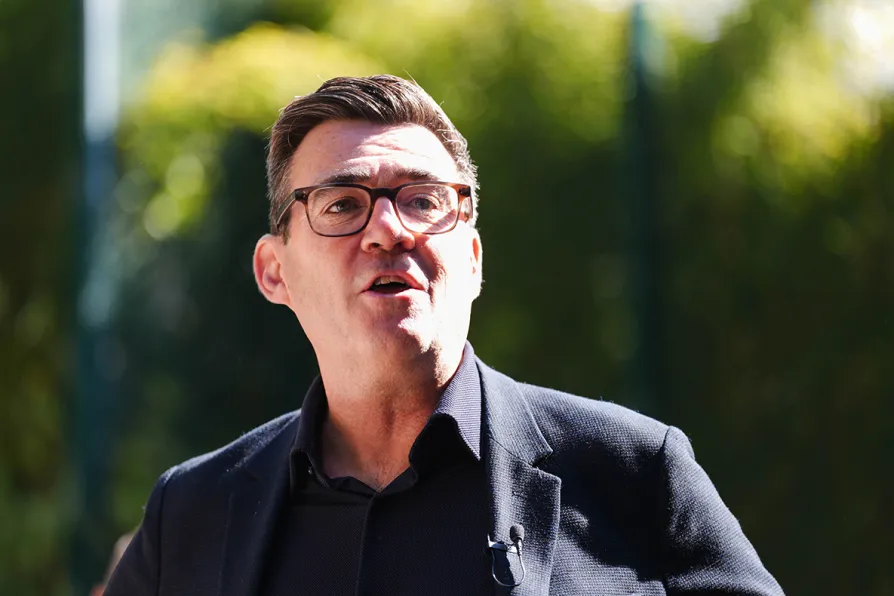

PM commits to blowing millions on nukes