WILL STONE samples the 20th anniversary atmosphere of this eclectic end-of-season indie festival


 Latest editorial
Owning the ‘family stain’
MARJORIE MAYO welcomes an account of family life after Oscar Wilde, a cathartic exercise, written by his grandson
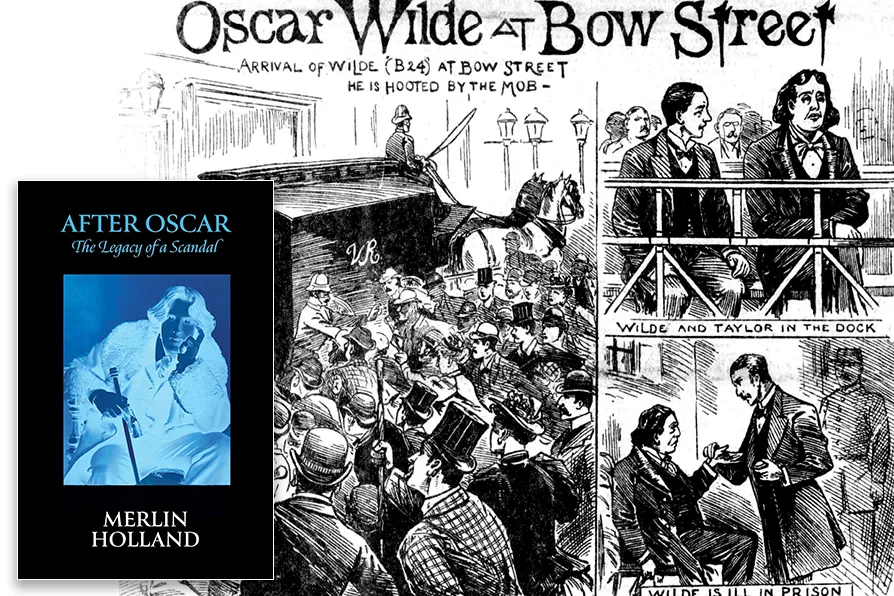 Scenes from the trial of Oscar Wilde, Illustrated Police News, 20 April 1895 [Pic: Public Domain]

Comics are not just superheroes and spandex – it can be public art, telling public stories, suggests HARRIET EARLE
The bard serenades the Diggers of Wigan and their festive followers
ALEXEI SAYLE speaks to Angus Reid about a lifetime of protest, how to hone political art – and what to do now
ANDY HEDGECOCK, JAMES WALSH, LEO BOIX and MARIA DUARTE review Just An Illusion, Everybody Digs Bill Evans, Blue Film, Oasis: Don’t Look Back in Anger, and Runner
MARIA DUARTE recommends a nerve-wracking reconstruction of the 72 hours before the Normandy landings





After Oscar: The Legacy of a Scandal
Merlin Holland, Europa Editions, £30
“THE truth is rarely pure and never simple. Modern life would be very tedious if it were either, and modern literature a complete impossibility,” as Algernon Moncrieff quips to Jack Worthing in Act 1 of The Importance of Being Earnest.
Wilde’s grandson, Merlin Holland, opens his 600-page magnum opus with this quotation, as he sets out to explore the contested legacy of his celebrated/notorious grandfather. Syphilitic degenerate or gay icon? Author of a few lightweight comedies and/or poet, serious essayist and critic, whose writings were ahead of his time?
After Oscar starts with the impact on his family of Oscar Wilde’s trial and imprisonment for “gross indecency” (ie for being openly gay) in 1895. This includes the author, his grandson. Wilde’s wife Constance changed the family name to Holland, taking their two sons, Cyril and Vyvyan (the author’s father) across the Channel to avoid being associated with this “disgrace” to the name of Wilde.
Although Constance would have welcomed some form of reconciliation, after Oscar’s release from prison, this was not to be. She died an early death, leaving her young sons to the charge of an unsympathetic guardian who sent the boys to separate boarding schools, hoping thereby to reduce the likelihood of their true identities being revealed, and their subsequent lives being damaged by homophobic bullying and continuing discrimination.
The boys reacted in different ways to their unhappy childhoods. Cyril was determined to rid himself of what he described as “the family stain,” demonstrating his masculinity by athletic prowess, joining the army and subsequently being killed in the first world war.
Vyvyan led a more chequered life, becoming an author, beset by money problems after the copyright (and associated income) ran out on Wilde’s then published works. He and his second wife, Thelma, had ambivalent attitudes towards Wilde and his legacy. Thelma was determined to whitewash the story, denying Wilde’s homosexuality, while taking pride in being his daughter-in-law.
This ambivalence posed ethical challenges for Vyvyan’s son, the author, as he tried to disentangle truth from fiction, resisting Thelma’s attempts at censorship and unpacking his father’s “embellishments” whilst trying to avoid describing him as a downright liar. Merlin Holland concludes with reflections on his own ambivalence about his heritage too, finally coming to terms with this in 2025, with the cathartic completion of his book.
The impact on Wilde’s friends and associates are also explored, including the subsequent battles between Bosie, his former lover and nemesis, and Robbie Ross, the faithful friend who cared for Wilde and his literary legacy, after his early death.
Subsequent attempts to construct memorials were similarly problematic. Jacob Epstein’s sculpture for Oscar’s tomb at the Pere La Chaise cemetery was also controversial, and the genitalia of the flying angel above it were mutilated. Wilde would have enjoyed the absurdity of the debates about what to do next.
Today Oscar had not just been rehabilitated. His status as gay icon illustrates the changes in attitudes to homosexuality in Britain, in the latter part of the 20th century. Holland’s book is only too clear about the depth of prejudice and hostility up to and including the late 1950s and early ’60s. These attitudes had indeed changed.
But Holland is not at all complacent about the continuing challenges to be faced in Britain and elsewhere. He recounts a visit to Moscow, having joined a Gay Pride march as a gesture of solidarity (although he described himself as being heterosexual). This march was deemed unacceptable to Vladimir Putin and those who shared his homophobic attitudes. The subsequent violence by neofascists and the police was clearly terrifying.
In summary, this is an extremely wide-ranging book. The materials are convincingly documented as well as being illustrated by family memories — critically examined in order to identify any accompanying embellishments. These are some of the most original aspects of the book.
The breadth of Holland’s book can be challenging for the reader though, as the chapters move between the different themes, over time. It is all too easy to lose sight of the different threads. To get lost in the detail. Or to distinguish between the most original aspects of the book and those aspects which have already been covered elsewhere. Books of this length and detail are not for every reader, even when written in an entertaining and accessible style.
Despite being so long, the book does have inherent limitations. The focus is on the legacy of the scandal, rather than Oscar Wilde’s works themselves. That would have been another book. Marxists might also have appreciated some critical analysis of the class interests at stake, whether in Wilde’s writings, his legacy, or both. But this is not where this particular book is coming from.
Overall, though, the author’s conclusions about his grandfather do carry conviction. Oscar Wilde was a remarkable writer and thinker who was ahead of his time, as his essays and criticisms — including his social criticisms — demonstrate. Although his plays are rightly remembered and still performed, he was also a gifted story writer and poet. His sexuality, and changing attitudes towards his sexuality, have tended to have been given such emphasis in the past that these other aspects of his life and achievements have received correspondingly less acknowledgment, less than they have deserved, in the author’s view.

Similar stories
![HOW FASCISM BEGAN: Prisoners guarded by SA men line up in the yard of Oranienburg concentration camp, 6 April 1933 [Pic: Public Domain]](https://msd11.gn.apc.org/sites/default/files/styles/desktop/public/2026-09/weimar%20web1.jpg.webp?itok=vW7SFOwt)
MARJ MAYO recommends an engaging, if chilling, collection of diaries and letters that trace a population's capacity for accommodation with Nazism
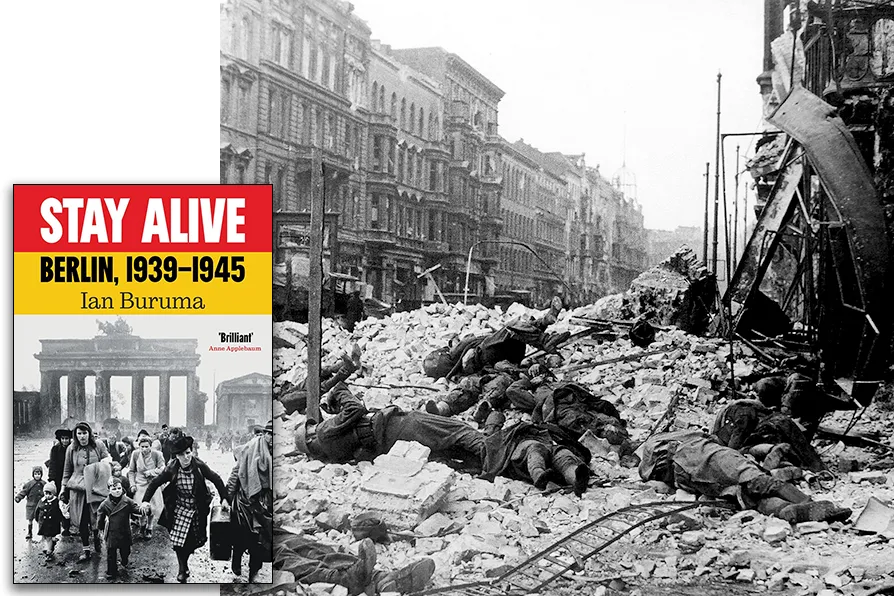
MARJ MAYO sees the contemporary relevance of this account of the consequences of a society’s accommodation with evil
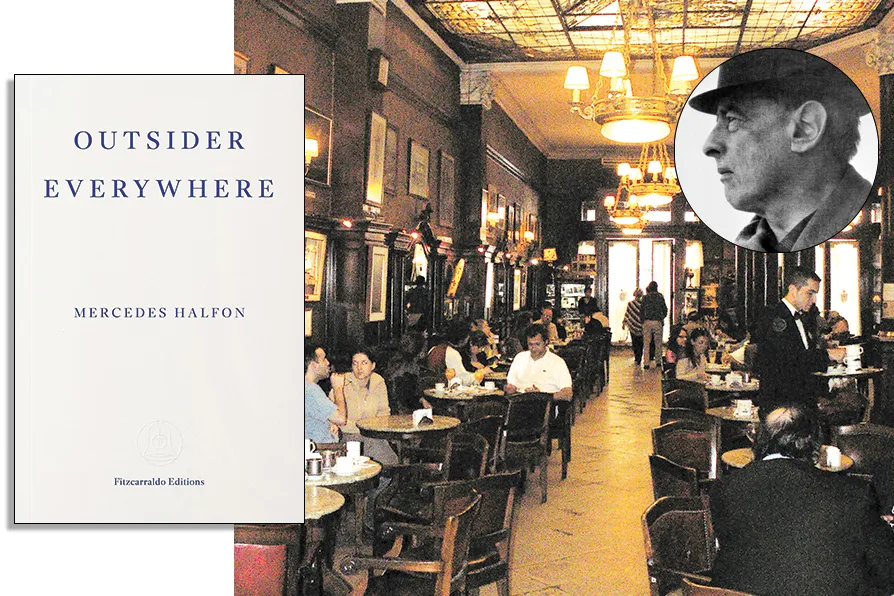
CHRIS MOSS joins the hunt in Argentina for the works of Poland’s most enigmatic exile
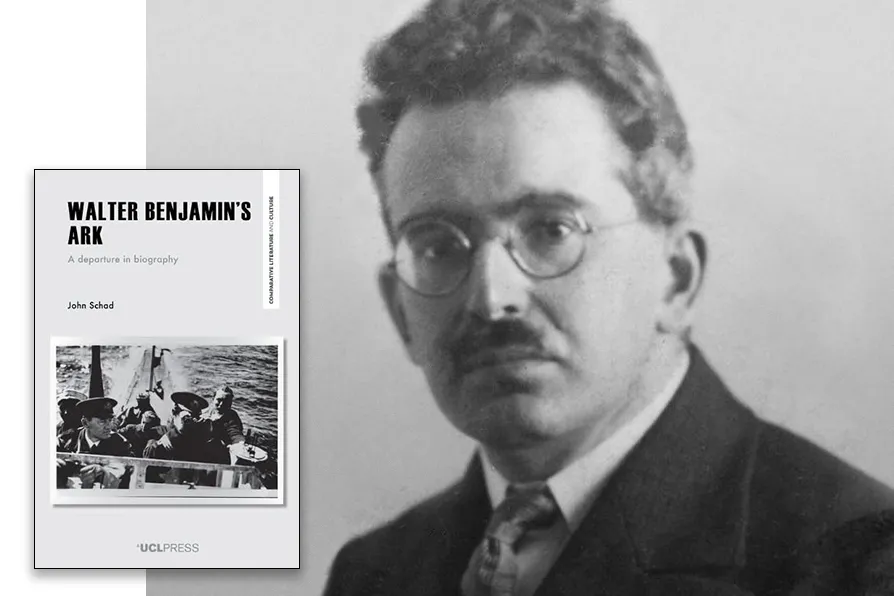
GORDON PARSONS is intrigued by a biography of the Marxist intellectual and author, made from the point of view of his son