

 Latest editorial
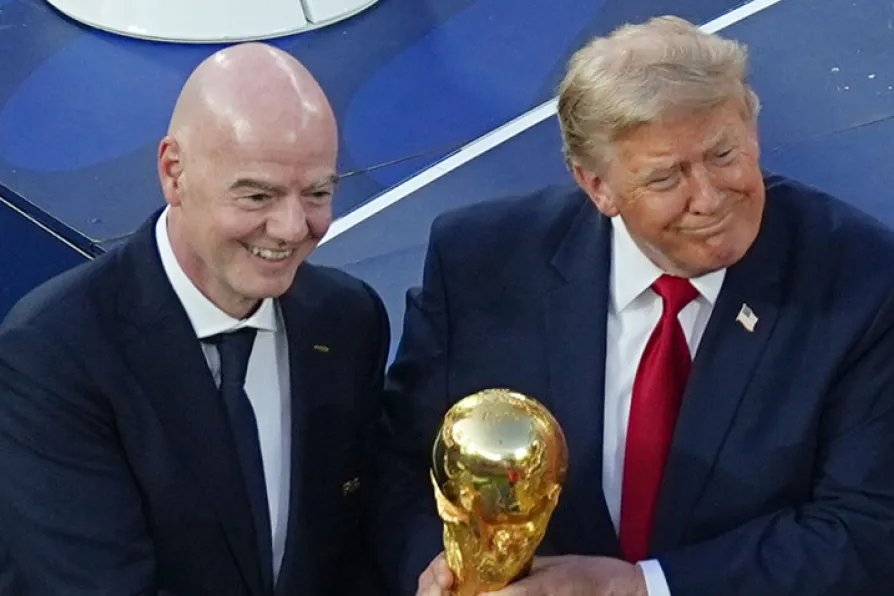 Gianni Infantino and Donald Trump





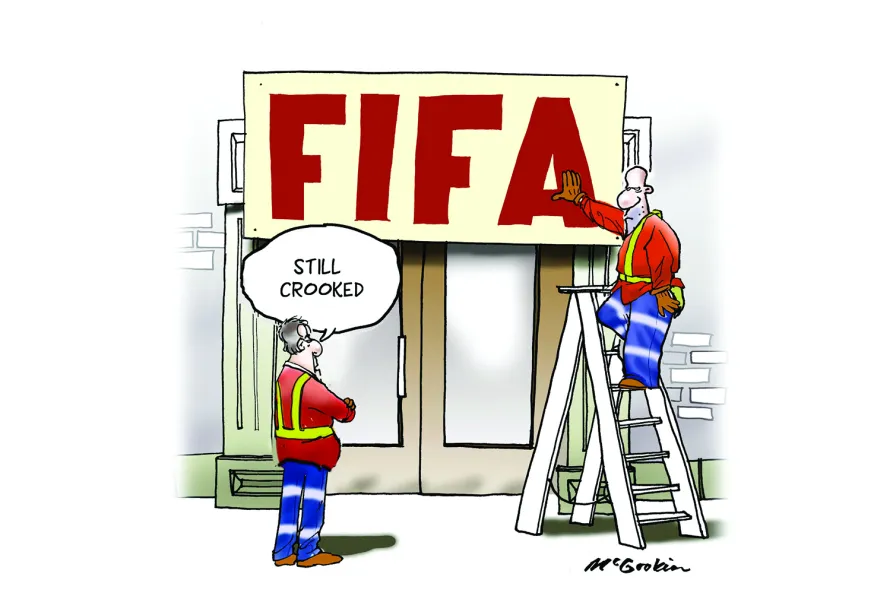
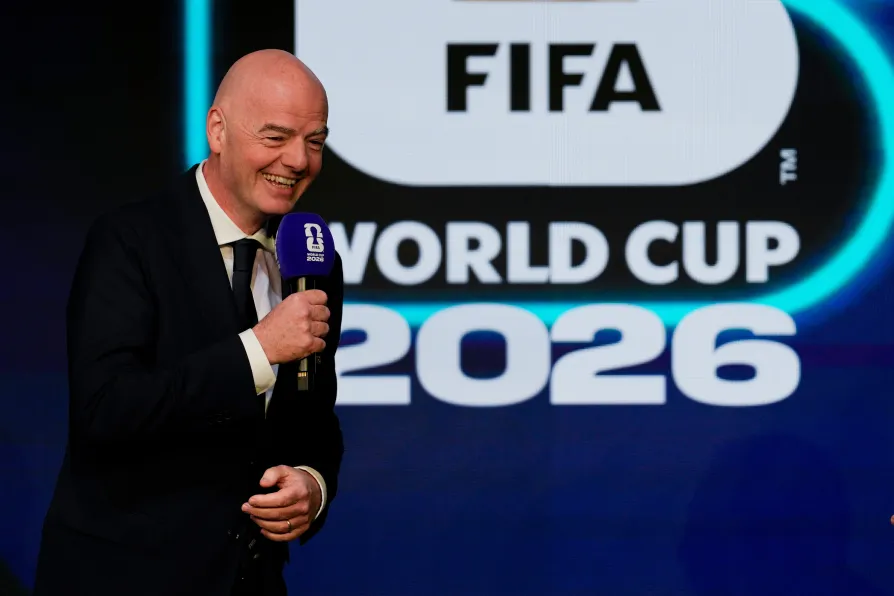
THE revolt against Fifa president Gianni Infantino’s bid to sell stakes in the World Cup to private equity investors should be a turning point.
Not just for Fifa but for football — and arguably not just for football.
There are too many common threads in this scandal with the wider perversions of 21st-century capitalism as crooked plutocrats buy up everything in our world for maximum profit.
If this — in the West — all-conquering tendency is not arrested we face a dystopian future in which a handful of obscenely rich, well-connected individuals dictate everything about our lives.
Infantino’s plan had it all. Dynamic pricing (an especially hated feature of the 2026 World Cup) with the lucrative prospect of $1,000+ ticket prices. The profit potential of shutting poorer fans out through imposing paywalls on match broadcasts.
And it reeked of personal corruption, with the lead investor in the projected Fifa Forward Enterprise being an investment vehicle created by Joshua Kushner, brother of Donald Trump’s son-in-law Jared.
So much for the anti-corruption reforms announced when Fifa’s last boss Sepp Blatter was disgraced.
On this occasion European federation Uefa has scotched the plans, forcing Infantino to ditch them with a threat to boycott the World Cup.
The Fifa chief will struggle to keep his job. Uefa says it has no confidence in him.
Within Fifa, that’s more significant than British Prime Minister Andy Burnham’s announcement that Infantino is not fit for the job. But for British football fans Burnham’s intervention is something to seize on.
After all, as Morning Star columnist James Nalton observes, “international football… is an area relatively untouched by the blight of private equity that has invaded the game at the club level.” If Burnham can see what’s wrong with the Trump-Infantino axis in Fifa, he should see what’s wrong with the expansion of private equity ownership at home.
Acquisition of clubs or stakes in them by (overwhelmingly US) institutional investors has rocketed in the last decade, turbo-charged by the financial crisis Covid plunged some clubs into as match revenues disappeared.
The consequences already include higher ticket prices and the rapid spread of multi-club ownership, creating conflicts of interest and subordinating once independent smaller clubs to “feeder” roles for what investors see as the big brands.
Private equity is characterised by the need for quick returns, usually promising a return on investment in a short timeframe. This makes it an especially predatory form of investment, incentivising maximum short-term profit extraction at the expense of long-term sustainability — and how long football fans will tolerate being bled dry to enrich faceless investors with no connection to the sport or their club’s history is unclear.
The need to stop the march of private equity over our institutions is obvious. It is ratcheting up costs and cutting service quality across social care, childcare, dentistry and even veterinary practices. If, as Nick Staunton has put it in the European Business Magazine, “Wall Street [has] bought football,” we need to be alert to everything else Wall Street is buying — and take it back.
There are options. The “national security” grounds sometimes trotted out to block foreign acquisitions should urgently be turned on the United States, by far the biggest threat to this country and the world.
But ownership bans in essential sectors — beginning with healthcare and childcare — are a more certain road.
And football? It is perhaps not an essential service. But a campaign to take back control of a sport that after all originated here would be popular — and a hook to popularise the case against the sinister acquisition of everything that matters to us.
Burnham has the political capital to carry it off. He won’t have the inclination, unforced — but there’s no reason a campaign begun by socialists inside and outside Parliament could not change that.

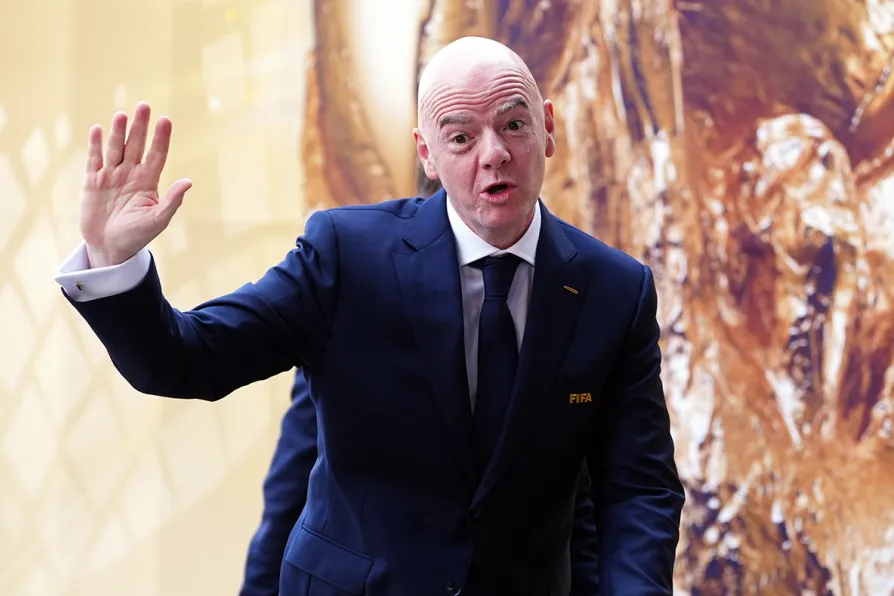
Resistance grows as Fifa seeks to hand private investors a slice of the international game, writes JAMES NALTON
PM says football belongs to fans as governing bodies unite against Fifa plans