
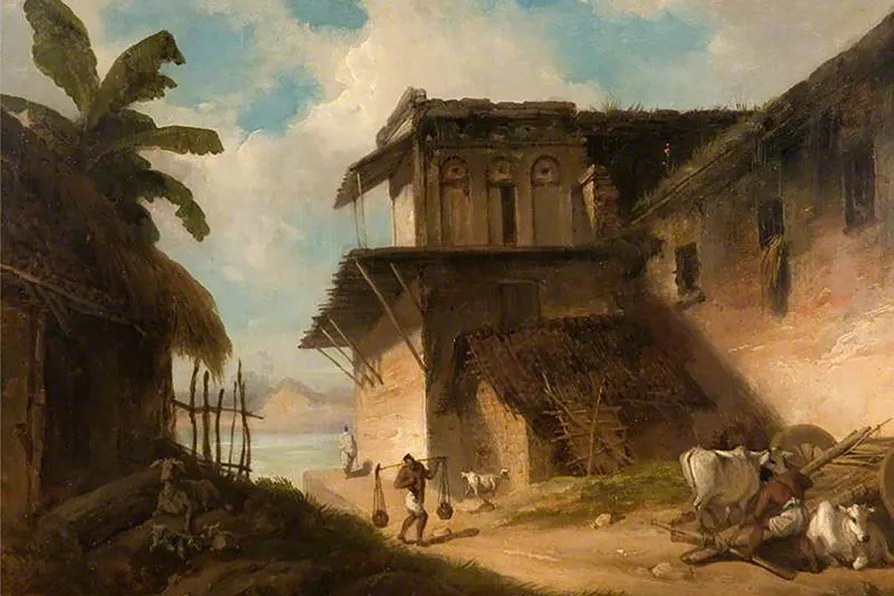
APURBA CHATTERJEE explains how British artists in India used the “picturesque” to reshape colonial landscapes and celebrate imperial power


What if
SYLVIA HIKINS relishes Jeanette Winterson’s brilliant hijack of 1001 Nights to push aside the boundaries set by others
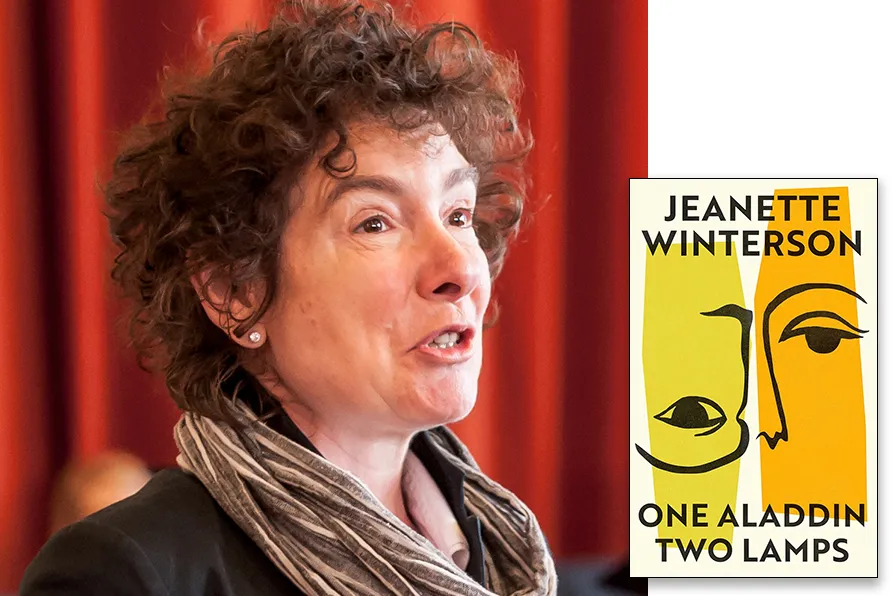
 Jeanette Winterson [PIc: University of Salford Press Office/CC]
PAUL DONOVAN welcomes a revival of Reginald Rose’s classic play that reminds us of the fundamental need for trials with juries
SIMON PARSONS applauds an exceptional performance of Wesker’s little-known play, by the same actor for whom it was written 45 years ago
ANDY HEDGECOCK and MARIA DUARTE review Late Fame, The Death of Robin Hood, Leviticus, and Gail Daughtry and the Celebrity Sex Pass
ANGUS REID recommends a uniquely accomplished documentary collage that contemplates our relation to the natural world
GORDON PARSONS enjoys Kant’s ‘mind-boggling’ theory of human reality: that we create the reality we experience





One Aladdin Two Lamps
Jeanette Winterson, Jonathan Cape, £18.99
Jeanette Winterson is a brilliant writer and her latest, One Aladdin Two Lamps is yet another unputdownable book.
Its basic framework is derived from 1001 Nights, a collection of South Asian and Middle Eastern tales constructed by Shahrazad, who, in an attempt to avoid being executed and hopefully healing misogyny, every night tells the perpetrator, her husband King Shahryar, captivating stories in hope of surviving the night and thus sidestepping death.
This book shares a similar structure but with modern implications.
Each chapter begins with Shahrazad, night time, her next story. Here’s an example: Shahrazad reverses her own situation. In it, the women are in control and the men must perform. In reality, men have the power, making or breaking the rules as it suits them. In this story world, just for the night, women are in power. As the big, orange letters just inside the book jacket tell us, “I can change the story because I am the story.”
In her fight for survival, Shahrazad challenges us with issues such as, what makes us happy, is love the major focus of our lives, who should we trust, does honesty matter?
This book weaves together old stories, magic moments, fond and not so fond memories, all told in a way that invites us to look closely at the written word and from it, reconstruct another world order. Which is why these modern Shahrazad stories embrace climate breakdown, AI, crypto, arrogance, humility, greed, adventure, war, peace, past, present, future.
In a country crammed with inequality, Winterson emphasises that we don’t have to order society like this. We choose to. In reality, a few powerful people select the story they wish us to hear. But there are others from the past.
As, in Britain, it was the slave owners not the slaves, who were compensated for their loss of property (slaves) when Parliament abolished slavery in 1834. And even now, the rich continue to get richer while the poor get poorer and guess who pays the biggest proportion of their income in taxation.
This book overflows with such stories, past and present. Furthermore, storytelling stimulates our imagination, opens our minds to different realities. Unlike the constant trivia of social media, opening a book and reading deeply is time not wasted and gives us opportunities for self-reflection, of getting closer to our true selves.
Winterson reveals herself in this story, telling us, “As a woman who is from a working-class background, I was aware growing up, how little was expected of me in terms of achievement.”
So many of us have been there, worn the T-shirt and like Winterson, have pushed aside the boundaries set by others. It is possible to open what is closed, to counter one story with another. The written word can, and does, change lives.
Winterson isn’t the first to believe that art and literature can change the world and she has given us a wonderful example in the writing of this book, a combination of story telling, folk tales, history, its relevance in a modern setting.
It now has pride of place on my bookshelf.

Similar stories
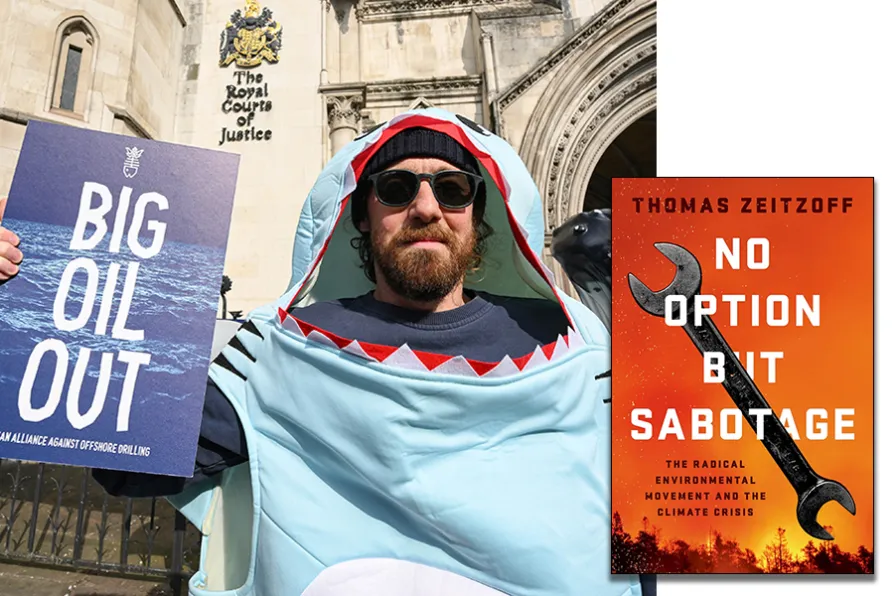
SYLVIA HIKINS welcomes a an in-depth study of environmental activism that shows how governments work against citizens who put community before profit

ROGER McKENZIE draws attention to the much-neglected oral traditions of the global South that define the identity – and therefore the liberation – of its custodians
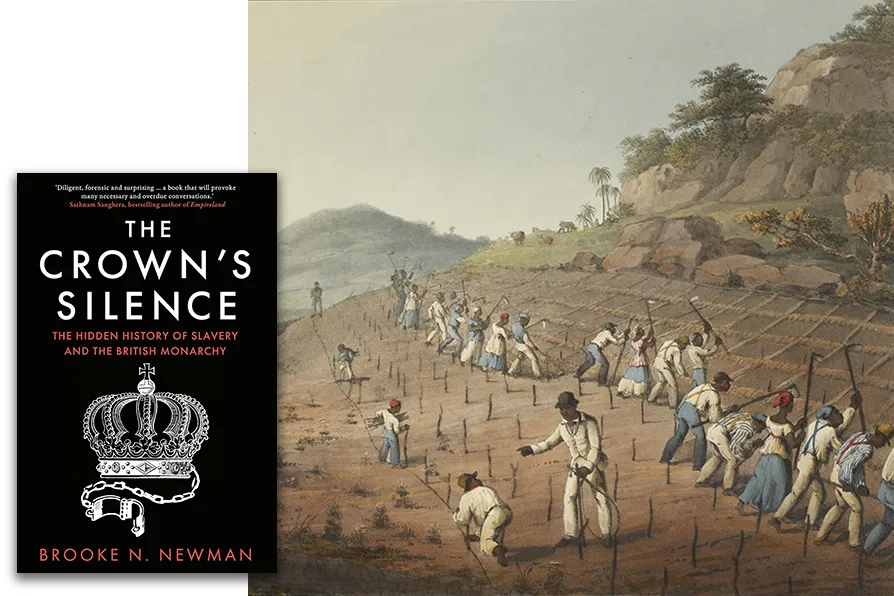
ELLIS RAE recommends a stunning history of the active role played by the British monarchy in establishing and profiting from slavery
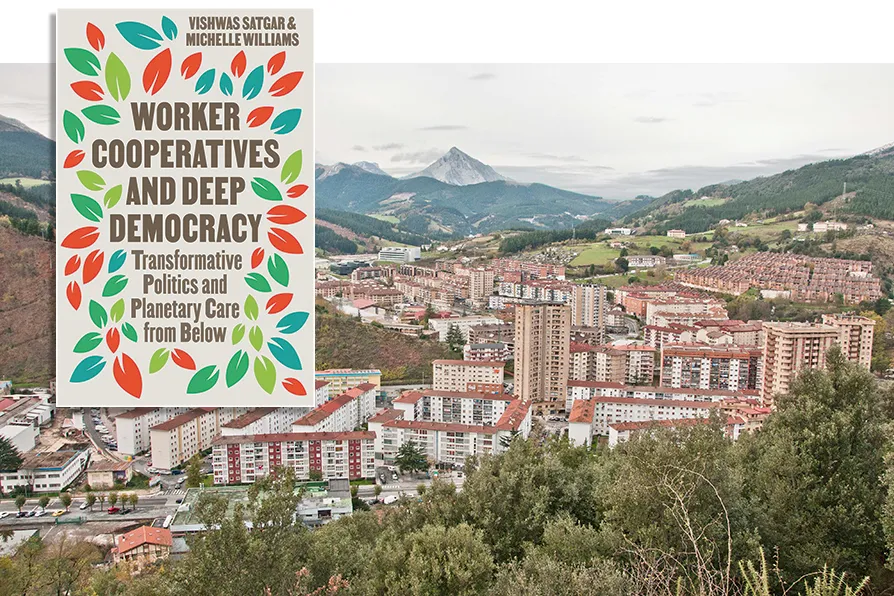
SYLVIA HIKINS welcomes a survey of successful contemporary worker co-operatives and economy-based co-operative systems