TUC president and POA leader STEVE GILLAN speaks to Ben Chacko on the eve of Congress 2026


 Latest editorial
Rule or ruin
In the final part of a serialisation of his new book, JOHN McINALLY explains how in 2018, after years spent rebuilding the PCS into a leading force against austerity, a damaging rupture emerged from within the union’s own left wing
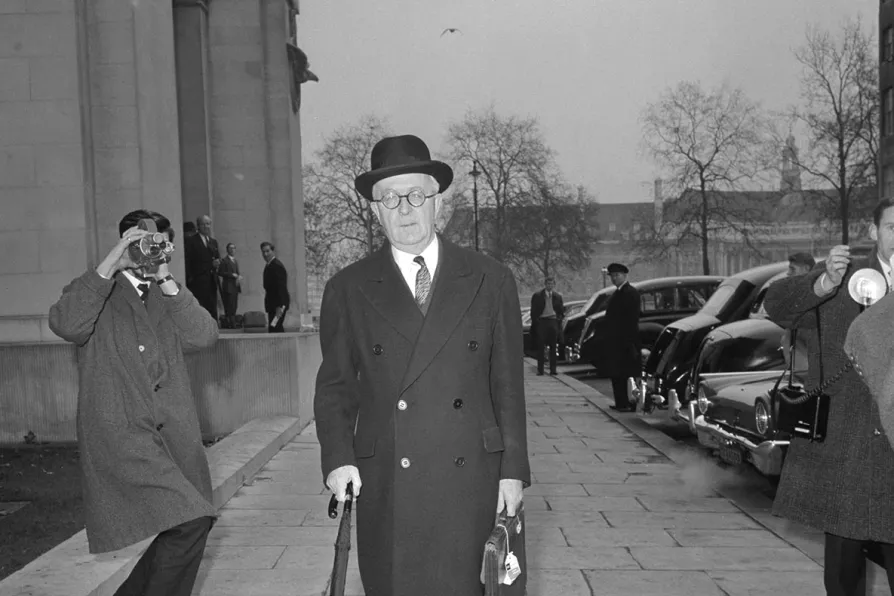
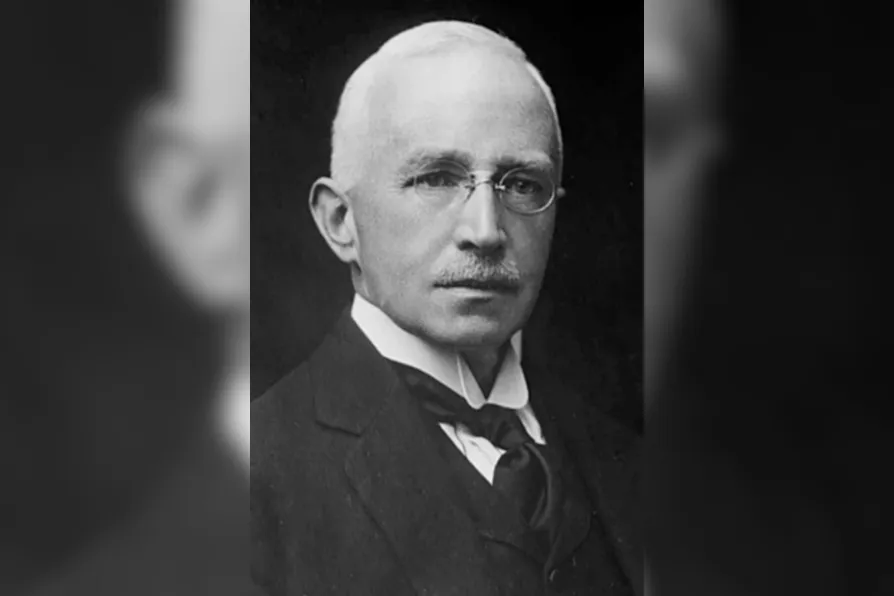 LONG DARK SHADOW: John Henry Whitley chaired, from 1917, a committee to report on ‘the Relations of Employers and Employees’ in the wake of the establishment of the Shop Stewards Movement. Photo: Public domain

DOUG NICHOLLS welcomes a turning point at this year’s Congress, where many motions call for a co-ordinated plan to revive British industry, a perspective outlined in his new book
HOPE VIRGO of campaign Dump the Scales warns MPs voting today they should be alert to the threat legalised assisted death poses to people with eating disorders
The Together Alliance is hosting two summits, North and South, to build power and plan action against the scourge of racism peddled by the right. DANIEL KEBEDE urges mass participation
The drift toward militarisation in Europe is not inevitable, left-wing and peace movements can preserve sovereignty and prevent war, says DÁIRE HUGHES MP
Whatever differences exist among international sympathisers of the Bolivarian revolution about its current trajectory, they should unite against the imperialist power that is the source of an enforced retreat, argues ROGER D HARRIS
Trade unions need to step up and force a turn in the policies of the labour movement to effectively confront the far-right threat, argues NICK WRIGHT





AFTER the defeat of the moderate machine in the merged PCS, it was uncertain whether the new socialist leadership could maintain itself in office and stand firm in the face of relentless attacks on conditions and services.
But by 2018, the union had established itself in the vanguard against cuts, privatisation and austerity. Maude’s union-busting attempt to bankrupt it had been defeated.
Membership levels had recovered, and finances had stabilised. Its anti-austerity alternative, once dismissed as being “out of touch with reality,” now enjoyed wide support. The political climate had also changed. Jeremy Corbyn’s manifesto saw the Labour vote rise by 20 per cent in 2017, denying the Tories a majority.
It was precisely at this time, with the PCS ready to launch a national pay campaign in now more favourable conditions, that a bitter internal dispute broke out.
This conflict arose within the left itself and is explained by the failure of some political groupings on the left to orientate to new conditions of struggle in an extended period of reaction.
The ostensible cause of the conflict was a disagreement over whether Chris Baugh, PCS assistant general secretary since 2004 and a Socialist Party member, would have the support of the union’s rank-and-file socialist organisation, Left Unity, in the upcoming election for the post in 2019.
Most Socialist Party members in PCS, mainly low-paid activists, refused to support Baugh and decided to back union president Janice Godrich, also a long-standing Socialist Party member, who also had the support of general secretary Mark Serwotka.
The Socialist Party’s leadership, however, refused to accept this — their general secretary said they would “tear the lot down” if they did not get their way, resulting in their split from Left Unity.
Real issues of industrial and political substance lay behind this. Constant attacks on conditions and services had placed enormous strain on activists, and some also found the transition from opposition and the battles against the moderates in the CPSA to the challenges and responsibilities of leadership in the merged union difficult to navigate.
Left Unity had also changed. Its wide influence across the union almost guaranteed election to official lay positions. Inevitably, this resulted in some people joining who were more committed to personal advancement. Meanwhile, its most experienced leaders were serving simultaneously as national and group lay officers. This had some benefits, but at the expense sometimes of a fall in the workplace activism that had been so effective in defeating the right wing.
A concrete example was that drives for industrial action increasingly come from national and group leaderships. Previously these had been driven more from below. The emphasis on national strategies meant that while regular large-scale strikes took place, local disputes, often the catalyst for escalatory action, became relatively less common.
Of further critical importance was the role of the various left organisations. Decades of reaction had tested many of them, not least in their relationship with the trade union movement. Some like the SWP and the Socialist Party, which had played a role in training militant activists and had produced some exceptional class fighters, had retreated into competitive “party prestige” politics, focusing on “party-building.”
In Unison, their “rule or ruin” approach weakened efforts to realise a broad coalition of the left. Consequently, its skilled and ruthless union bureaucracy — closely tied to the Labour Party’s right-wing apparatus — retained firm control.
Another critical background factor across the public services and especially within the Civil Service was the enduring influence of Whitleyism. Habit and tradition had engendered an ideological commitment to this peculiar expression of class conciliation.
Whitleyism became almost a shibboleth that for some existed above and separate from supposedly temporary trends such as the increasingly hostile management strategies employed by all governments since Thatcher.
For such activists, Whitleyism constituted an objective natural order of industrial relations that would be restored in time. The idea that negotiating skill was the key factor in bargaining had a tenacious hold despite the fact it had been repeatedly shown the strongest weapon in the negotiator’s arsenal was a membership organised to fight.
The collaborationist Whitley ethos was a substantial fetter in defending and advancing terms and conditions. Even amongst those who considered themselves revolutionaries, it had shaped a strand of thinking that prioritised dialogue with management over workplace organisation.
The story of how the left came to win the PCS leadership and went on to challenge successive governments on austerity holds many valuable lessons. Understanding how sectarian divisions threatened these achievements is of equal significance for left activists, in whatever mass working-class organisation they operate.
John McInally, long-time vice-president of the PCS, is author of the newly published book A State of Struggle (Manifesto Press), with an introduction by Mark Serwotka. It traces the history of the Civil Service trade union movement, detailing the sharp battles between the rising Broad Left and the state-backed Moderates, the struggle to build a fighting democratic union, the pensions battle, the conflicts with both Labour and Tory governments and the role of PCS as a beacon of resistance to austerity, cuts, discrimination and imperialist war.
To buy the book visit the Morning Star shop at shop.morningstaronline.co.uk.

Similar stories
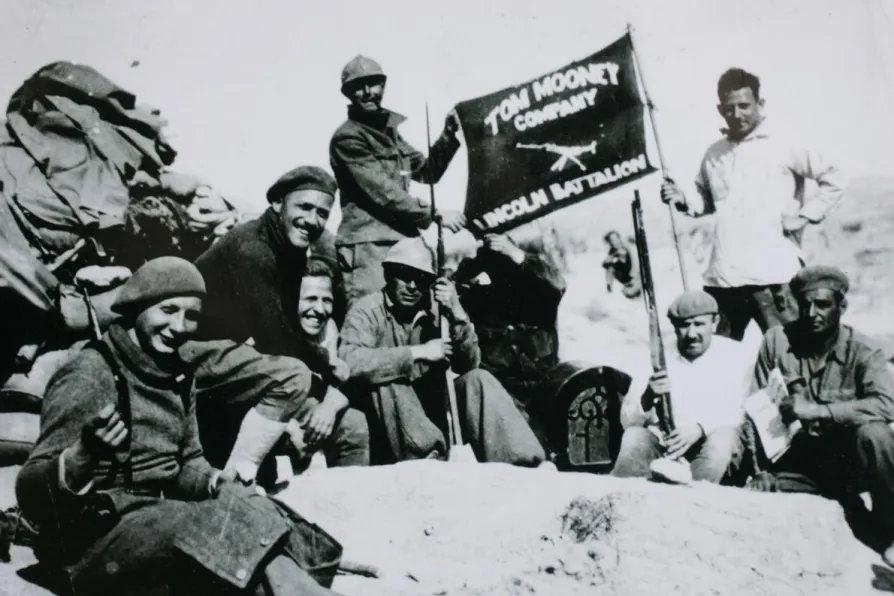
CJ ATKINS commemorates one of the most dramatic moments in working-class history
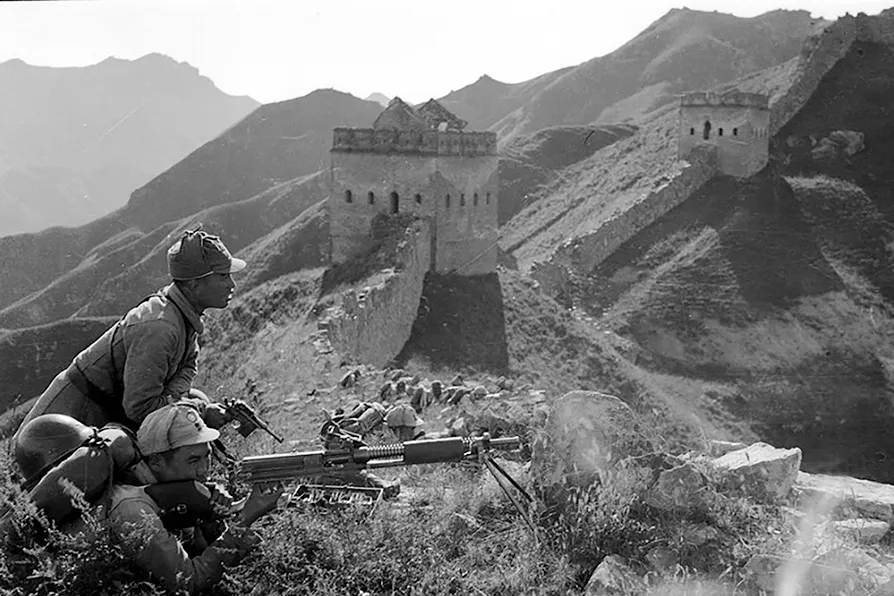
In Part 4 of her look at the Chinese revolution JENNY CLEGG addresses the relationship between the Peasant Movement and the National Movement
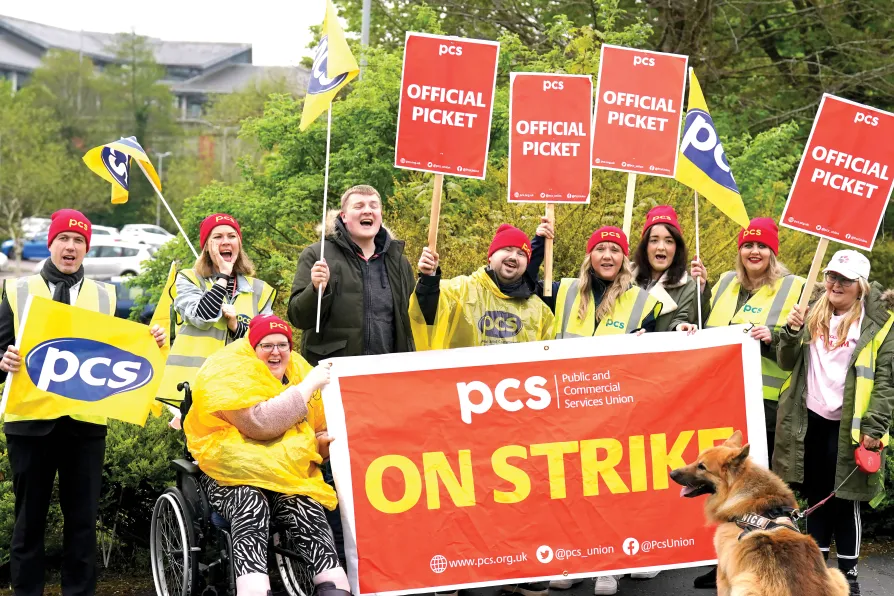
In part IV of a serialisation of his new book, JOHN McINALLY tells how austerity minister Francis Maude’s attempt to destroy the PCS Civil Service union totally backfired
In part II of a serialisation of his new book, JOHN McINALLY explores how witch-hunting drives took hold in the Civil Service as the cold war emerged in the wake of WWII