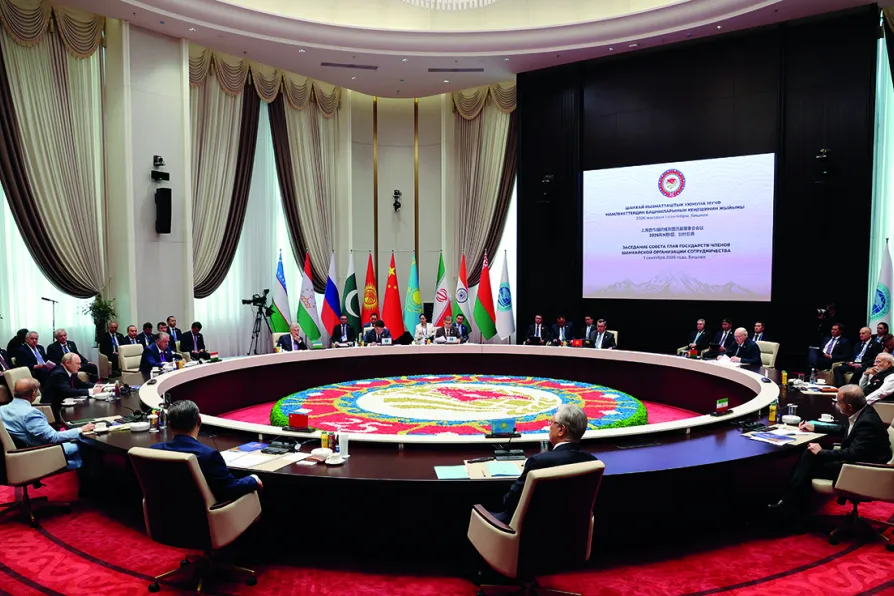
The 25th anniversary meeting of the Shanghai Co-operation Organisation in the Kyrgyz capital may offer a glimmer of hope that international relations do not need to be defined by endless confrontation, writes KENNY COYLE


 Latest editorial

Who owns antibiotics?
The drying up of new antibiotics because companies now no longer see development as profitable highlights a usually well-hidden scandal
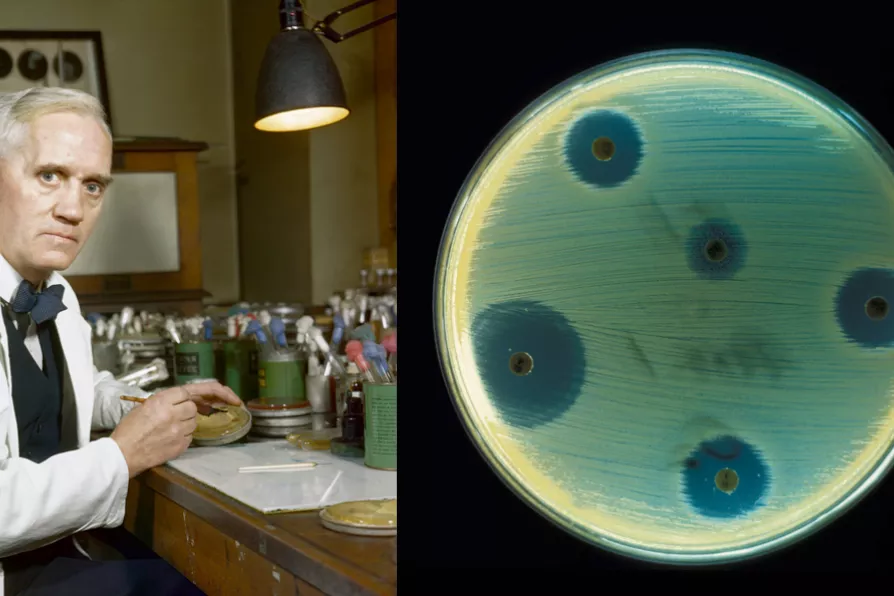 IN THE BEGINNING: Alexander Fleming, in his laboratory at St Mary’s, Paddington, London and (right) An antibiotics test plate for a non-resistant bacterial species – bacteria can grow all over the plate, except in the circles around the antibiotics
[Pic of antibiotic: CDC/Provider: Don Stalons]
IN THE BEGINNING: Alexander Fleming, in his laboratory at St Mary’s, Paddington, London and (right) An antibiotics test plate for a non-resistant bacterial species – bacteria can grow all over the plate, except in the circles around the antibiotics
[Pic of antibiotic: CDC/Provider: Don Stalons]
The artist, who has just died, is embedded in the subconscious of the Palestinian people
The five young men killed in the A66 crash were responsible for a devastating tragedy — but the crash should force us to ask difficult questions about wider society, argues RENATA MEDEIROS MIRRA
Britain funds the policing of black culture 16 times better than the culture itself. The Diamond Jubilee is the moment to end that, argues CLAUDIA WEBBE
Despite Andy Burnham’s declaration defending the continued partition of the island, all major international and internal trends are converging to make Irish reunification inevitable
Humans are part of the ‘animal kingdom’ – and of nature in general – but also distinct from it and labour (work) is part of what makes us unique, declared Engels. His insights 150 years ago into how our species came to be and how we differ from the rest of nature, are as important today as they were then, says the MARX MEMORIAL LIBRARY
Committee for the Defence of the Iranian People’s Rights general secretary GAWAIN LITTLE discusses the impact of the US-Israeli war on the Iranian people and economy





BACTERIA are everywhere on the Earth, including inside our own bodies. While most of these bacteria are harmless, sometimes they can cause life-threatening infections.
Before the 20th century, these infections would often be fatal. However, one of the greatest success stories of modern medicine has been the discovery of antibiotics: chemicals which act to kill bacteria.
Thinking about antibiotics in terms of a “war” between humans and bacteria is a mistake. Many bacteria naturally produce antibiotics to reduce numbers of other bacterial species. These antibiotics are usually in very low concentrations in the environment, but if they can be successfully synthesised they can be used as medicine to stop bacterial overgrowths, preventing deaths from such infections.

Similar stories
![Meat [Pic: Cindie Hansen / Creative Commons]](https://msd11.gn.apc.org/sites/default/files/styles/desktop/public/2026-07/cindie-hansen-8IQlsHB2OS8-unsplash.jpg.webp?itok=AgeMqKnO)
Innovation in biotechnology is changing how we conceive of meat, say ROX MIDDLETON, LIAM SHAW and MIRIAM GAUNTLETT of SCIENCE AND SOCIETY

MIKE SCOTT assesses the AI threat to jobs in the first of a pair of articles on the problems it poses
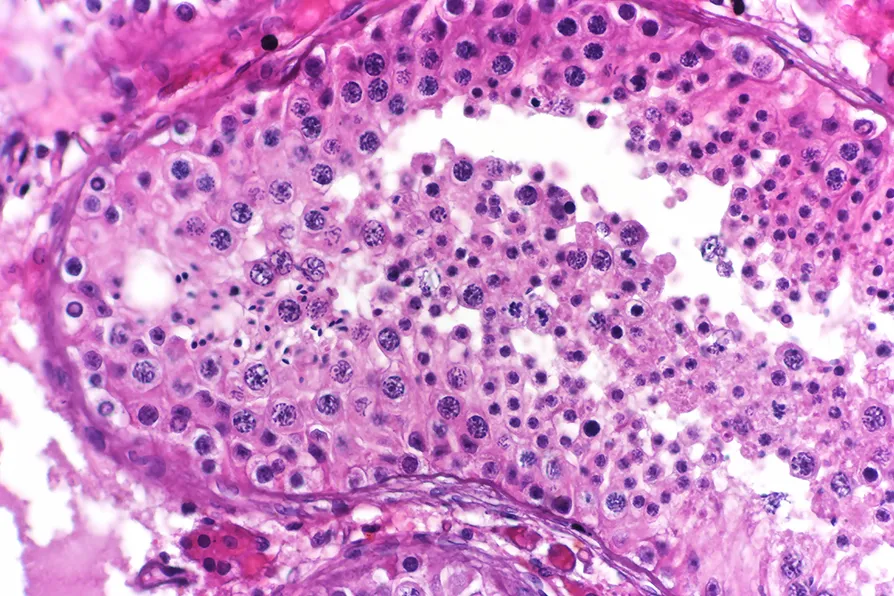
New research into mutations in sperm helps us better understand why they occur, while debunking a few myths in the process, write ROX MIDDLETON, LIAM SHAW and MIRIAM GAUNTLETT

Politicians who continue to welcome contracts with US companies without considering the risks and consequences of total dependency in the years to come are undermining the raison d’etre of the NHS, argues Dr JOHN PUNTIS