Growing instability in the US economy and financial markets could have serious consequences worldwide because of the central role of the US dollar and financial system, argues MICHAEL BURKE


 Latest editorial

McGurk’s Bar: blaming the victims
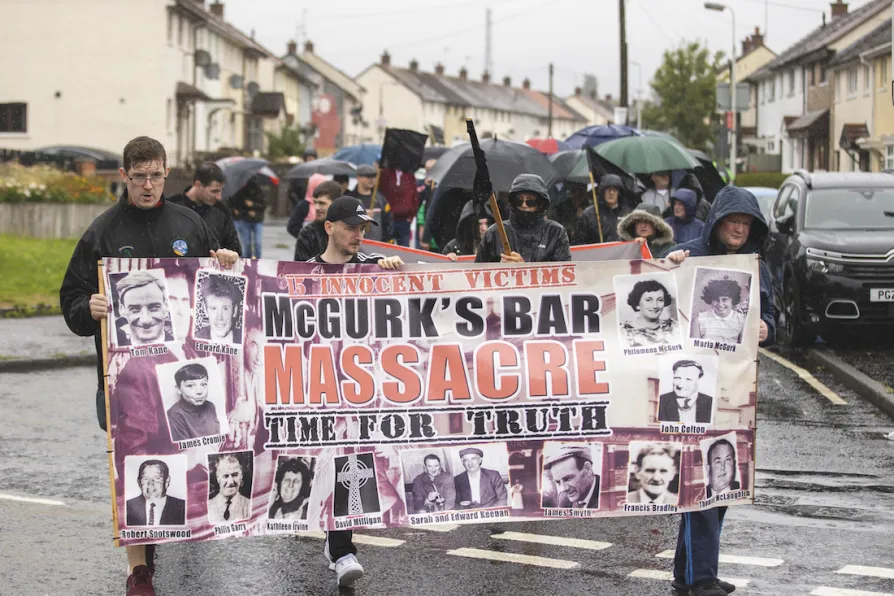
The explosion which killed 15 and injured many more was never likely to be the work of the IRA — but that is exactly the lie the British government deliberately tried to spread, writes RICHARD RUDKIN


Despite Andy Burnham’s declaration defending the continued partition of the island, all major international and internal trends are converging to make Irish reunification inevitable
The left needs a bold energy vision – because if it fails to provide one, others will shape the future in their own interests, argues ALAN SIMPSON
From Margate to Deal, mining memories are being kept alive. National co-ordinator for General Strike 100, HENRY FOWLER continued his nationwide tour of partner organisations in the Garden of England
Humans are part of the ‘animal kingdom’ – and of nature in general – but also distinct from it and labour (work) is part of what makes us unique, declared Engels. His insights 150 years ago into how our species came to be and how we differ from the rest of nature, are as important today as they were then, says the MARX MEMORIAL LIBRARY
Boxes of books, family photos and heirlooms, labour movement anniversaries, along with nostalgic memories of glorious childhood days on the Ayrshire coast still leave room for a wistful MATT KERR to hope for a better future





“The British state is literally withholding evidence of mass murder and cover-up from us, evidence that we have found and are forced to fight for.” — McGurk’s Bar Truth and Justice Campaign.
ON DECEMBER 4 1971 a bomb explosion in McGurk’s Bar in north Belfast claimed the lives of 15 innocent people including two children. It was recorded as the country’s worse massacre since the Blitz of WWII.
To the British military, it was just another IRA bomb exploding in the process of being handed over to be planted elsewhere — or as it was called in those days, “an IRA own goal.” That was the narrative pushed out by the British army commanders and the Royal Ulster Constabulary via the media. While that bomb ended many lives, for the survivors and families of the deceased, it was just the beginning.

Similar stories
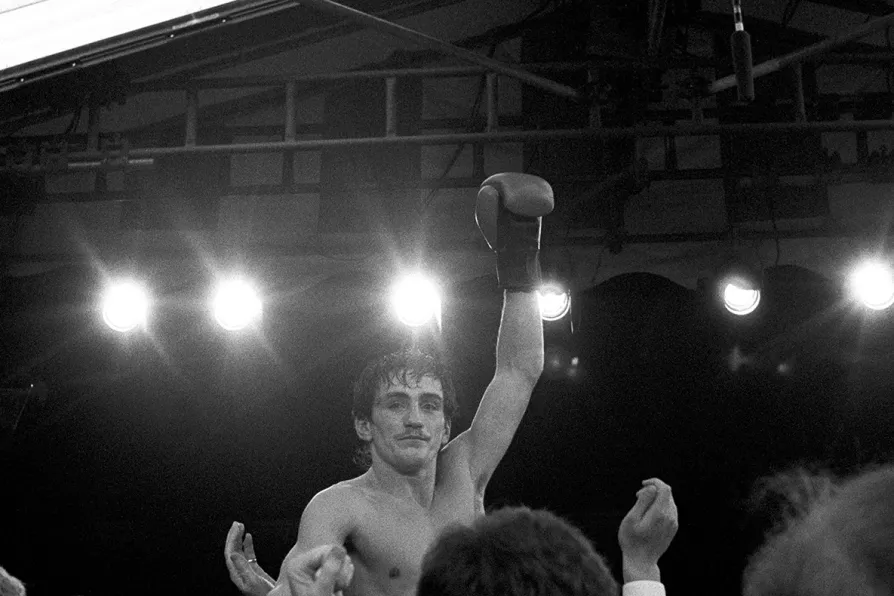
From Barry McGuigan and Carl Frampton to Tyrone McKenna and Lewis Crocker, the city’s fighters carry a complex history into the ring, writes JOHN WIGHT
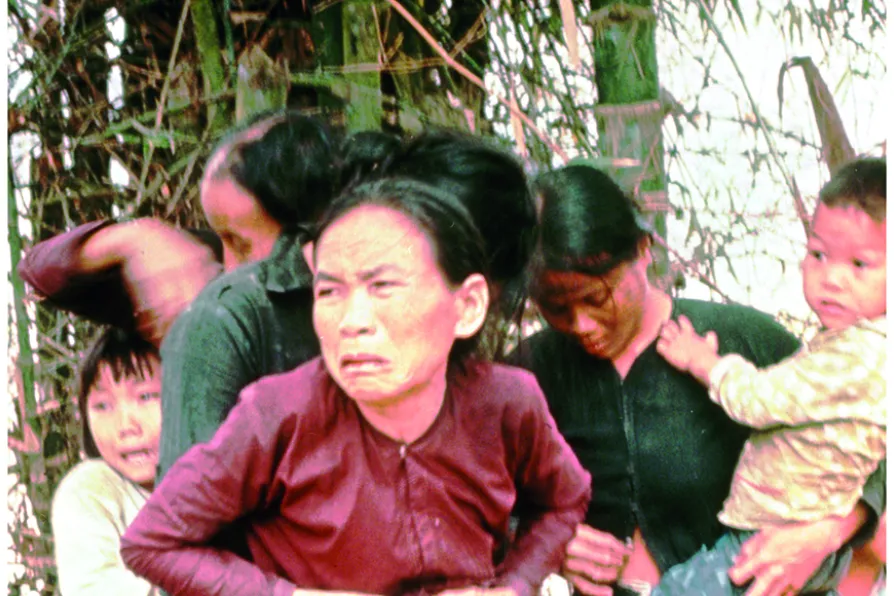
PATRICK CHURA reflects on the mass murder of civilians in wartime and his own visit, 10 years ago, to My Lai where US soldiers slaughtered over 500 men, women, children and infants

As the government quietly upgrades the role of Britain’s special forces, their growing global footprint and near-total exemption from democratic oversight should alarm us all, says ROGER McKENZIE
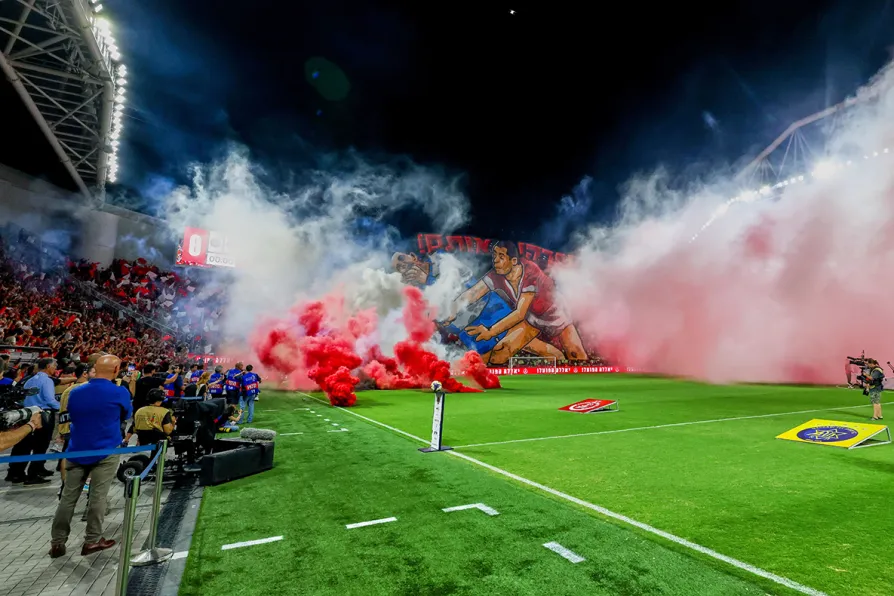
The ban on Maccabi Tel Aviv fans was based on evidence of a pattern of violence and hatred targeting Arabs and Muslims, two communities that have a large population in Birmingham — overturning the ban was tacit acceptance of the genocidal ideology the fans espouse, argues CLAUDIA WEBBE