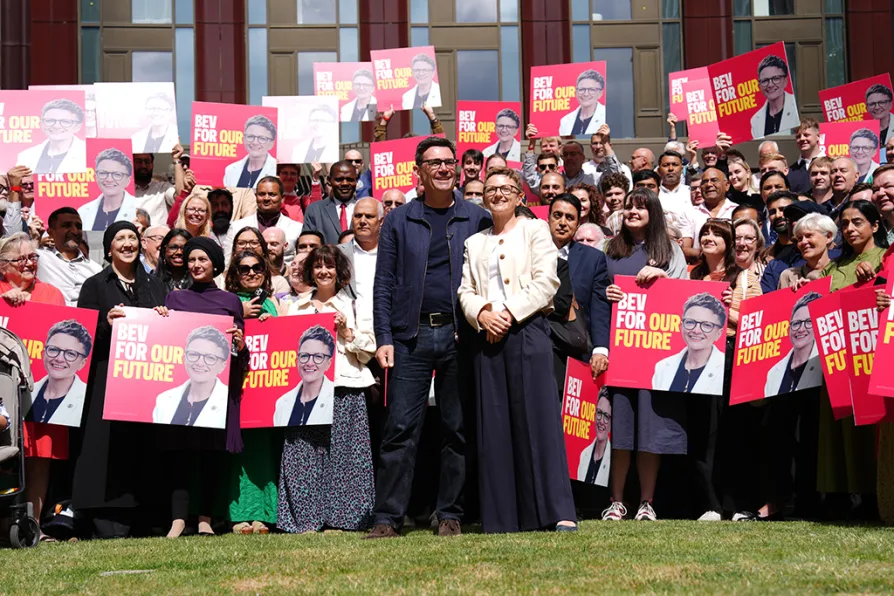
Councillor SAM WHEELER says there’s a tangible shift in mood on the left in the city whose mayor has recently become PM — but there’s no room for complacency



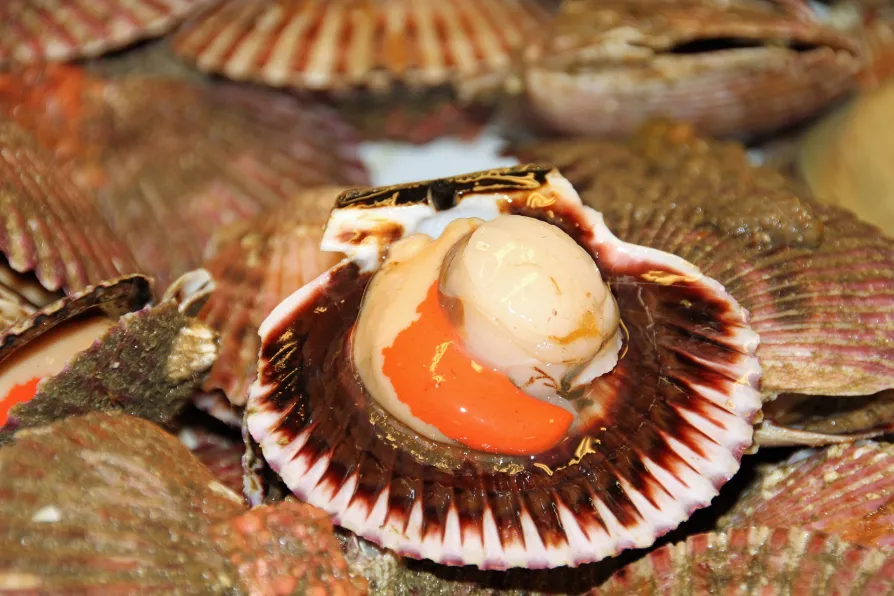
Leave the scallops at the bottom of the deep blue sea
PETER FROST is throwing stones – and big ones at that – onto the Dogger Bank to stop the ecocidal trawlers

Communist Party leaders Alex Gordon and Lorraine Douglas deliver vital medicines in trip to besieged socialist island
TUC Cymru is playing a leading role in tackling far-right ideas in the workplace, says LAURA DOEL
A New Delhi press conference in which Sheikh Hasina and her son implied the new order in Bangladesh is a security threat to India has sparked fears she is planning a comeback. SIAM SAROWER JAMIL reports on the fallout
Two months of student unrest have forced out India’s education minister and rattled the BJP regime. Could this be the beginning of the end for Modi, asks Communist Party of India (Marxist) general secretary MA BABY
MAT COWARD says the heatwave is a testing time for gardeners — but he has some tips





THE shallow seas around our coasts have a rich variety of wildlife, some of it valuable as food.
Perhaps the most valuable single catch is scallops. Unsurprisingly then, it is scallop-dredging that is thought to have the most severe ecological effect of all British marine fisheries because the damage and mortality it causes the seabed and species that live there.
Greenpeace’s ship the Esperanza is dumping huge granite boulders to build an underwater barrier to protect almost 50 square miles of the Dogger Bank Special Area of Conservation from seabed trawling after the government failed to commit to properly protect the area.

Similar stories
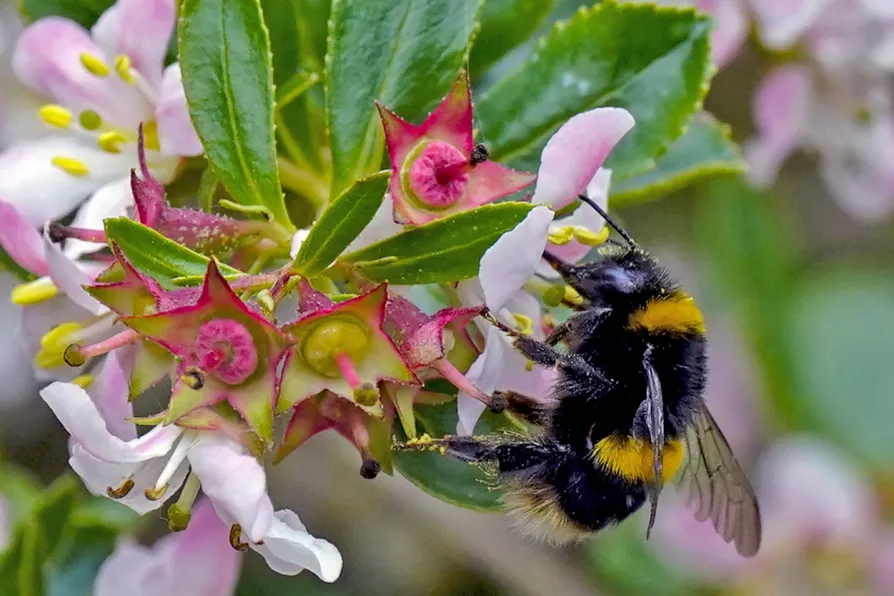
Rising temperatures and human activity are making life far harder for these vital pollinators. ALEX DITTRICH explains

KATAYOUN SHAHANDEH surveys Iran’s cultural heritage and explains what has been damaged and what could be lost

ANDREW FILMER welcomes the reopening of Glasgow’s landmark theatre after a seven-year transformation