
ROB WARZYNIAK wades knee deep through a pile of ‘dead canaries’ of Trumpist policies which exacerbated the horrors of US capitalism domestically


Black women pioneers on the front line of resistance
For generations black women have shaped Britain’s activism, arts and public life despite exclusion and discrimination. ZITA HOLBOURNE pays tribute to these political trailblazers and cultural icons, whose courage continues to inspire
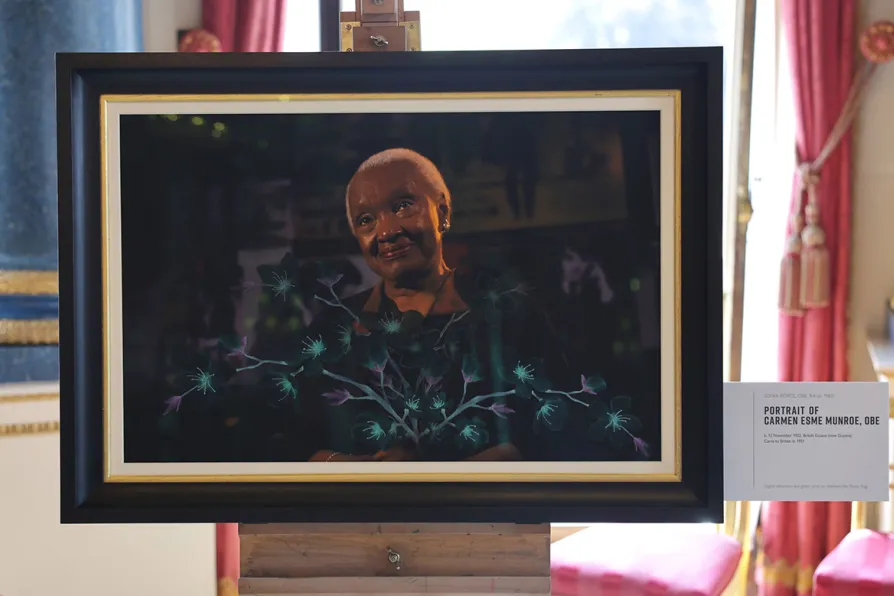
 A portrait of Carmen Esme Munroe, one of ten portraits of Windrush elders that were unveiled during a reception at Buckingham Palace in London, to mark the 75th anniversary of the arrival of Empire Windrush to Tilbury Docks in Essex, on June 22 1948
Without evidence or Nato consultations Berlin’s answer to the Leipzig incident is a rupture of relations. SEVIM DAGDELEN examines why
FRANCISCO DOMINGUEZ introduces the background to a conference on defending Latin America’s sovereignty
The glacier collapse in Nepal is yet another warning that a warming planet is making Himalayan disasters more frequent and destructive – but the countries facing the greatest risks are often those least responsible, says LI YANG
Nick Blair is set to benefit from a hugely lucrative contract to ‘virtually’ train the British army for its next war. Like father, like son, writes SOLOMON HUGHES
Even when tragedy strikes, Western media cannot resist the opportunity to turn it into a sordid propaganda opportunity, as the Nepal-China border tragedy shows, writes CARLOS MARTINEZ
Trade unions should be at the heart of the anti-racist push for reparations for the historic legacy and continuing impact of slavery, writes ROGER McKENZIE





BLACK women have always been on the front line, paving the way, pioneers, boldly showing up in spaces not welcoming of them, courageous, brave and determined.
Even in the face of the combined impacts of race and sex discrimination, carrying the weight of pain and trauma on our shoulders, we show up with style, breaking down barriers, shattering negative stereotypes, stamping on ignorance.
There have been many black women pioneers and leaders of movements in Britain, they include Mary Seacole, Stella Thomas, Amy Ashwood Garvey, Claudia Jones, Olive Morris, Althea Jones Lecointe, Gerlin Bean, Mavis Best, Dame Jocelyn Barrow, Diane Abbott and Margaret Busby, Dame Sonia Boyce, Lubaina Himid, Dame Carmen Munroe.
Their actions and work have benefited not just black women but whole communities and wider society through activism, politics, health, care, arts, culture, literature and more.
The theme for this year’s International Women’s Day is Give to Gain, highlighting the power of generosity, collaboration and shared responsibility and the fact that when we create opportunity and contribute it benefits whole communities.
The UN has designated the 2026 theme as Rights, Justice, Action. For All Women and Girls.
When black women attempt to step into women’s movements and structures, they are often met with resistance and hostility. During my long history as an activist and campaigner, I have been told that I do not need to join women’s structures, because I can join black structures, accused of being greedy for wanting to be involved in women’s movements, told that because white women cannot join the black members committee or network, I am being selfish and should step back to allow them the opportunity.
Those doing this have failed to understand how dehumanising and discriminatory this is, as it suggests that my experiences of being a woman and of gender discrimination are not relevant and that the experiences of the combined impacts of racism and sexism black women face do not matter.
They have also failed in their mission to represent and give a voice to women by leaving out whole sections of women and contributing to the misogynoir, under-representation, isolation and negative stereotypes we face in wider society.
It would be good if those who seek to exclude black women thought about the themes for this year’s International Women’s Day and how such actions work against them. But better still to think about what they can do to honour the themes and to act with meaning, intention and inclusion for the benefit of all women and girls and whole communities.
To kick off Women’s History Month, I had the honour of being a guest in the audience, in my role as part of the Mayor of London’s Liberty Advisory Group, for the premier screening of a powerful, brilliant video portrait created by one of the women listed above, artist Sonia Boyce, of another of those women, Carmen Munroe.
This was followed by a conversation between the artist and another amazing black woman, award-winning theatre and TV producer and director, Paulette Randall. We do not see such celebrations of black women in mainstream spaces enough.
So, this International Women’s Day I celebrate with you, the life and work of Carmen Munroe. Born in Guyana in 1932 she came to Britain as part of the Windrush generation in the 1950s. Known to many for her role as Shirley, wife of Desmond in the British sitcom Desmond’s, from 1989 to 1994. Munroe is a Windrush pioneer. Her acting career in acting began way before the 1980s.
In 1962 she appeared in the West End in Period of Adjustment, with leading roles in theatre productions through the ’60s and ’70s. In her TV career she has presented Play School, appeared in Doctor Who, The Fosters, Mixed Blessings, Hope and Glory, General Hospital and Horace Ove’s A Hole in Babylon plus a number of films.
She co-founded the UK Black Theatre Company Talawa in 1986 and I remember going to see their first production, The Black Jacobins, as a very young woman and being so inspired and uplifted, starting on my own creative career journey, to see an all-black cast tell such an important story of the history of resistance against enslavement in Haiti, the Haitian revolution had such a huge positive impact on me.
Her extraordinary career as a professional actor and pioneer, spanning decades, has meant navigating both racism and sexism in the entertainment industry and cultural sector.
Seeing someone who looks like you and having someone to aspire to and give hope can be life-changing for the next generation. Standing up to racism, sexism and misogynoir may require us to be loud, to fight on the front lines, to occupy space in hostile environments but it is also about being brave enough to pursue your dreams, quietly persisting, irrespective of what others think and say, defying the odds, being visible, resilient, determined and brave and demonstrating staying power.
It is about opening doors for others, about making it easier to enter spaces for future generations, it is about being true to ourselves and recognising and nurturing our skills and talents and irrespective of those saying you do not belong, taking up space.
Zita Holbourne FRSA is a multi-disciplinary artist and writer, a trade union leader, community activist, equality and human rights campaigner, campaigning for equality, justice, freedom and rights through arts and activism.

Similar stories
Afghan women living under the Taliban are navigating a system that makes their public existence conditional on male approval, writes SHUKRIA RAHIMI
The pioneering activist understood that freedom could only be won through solidarity across communities. Her legacy offers vital lessons at a time when progressive politics risks losing that shared purpose
The Morning Star republishes PRAGNA PATEL’s speech at the annual commemoration of Claudia Jones on February 22 2026
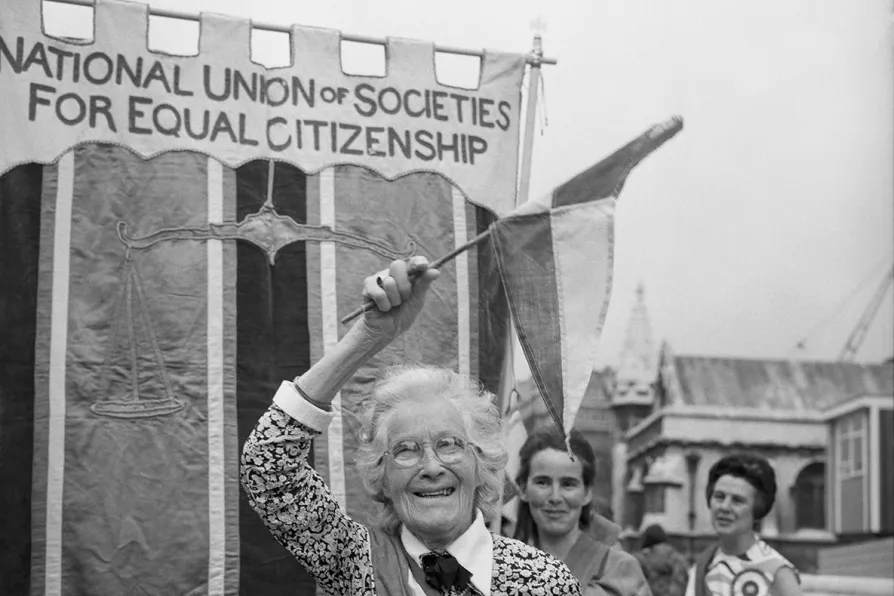
Half a century after transformative laws reshaped Britain, women’s rights are again contested. This International Women’s Day is a call to remember how change was won, and to organise to defend it, says KATE RAMSDEN
The legacy of socialist feminists such as Alexandra Kollontai challenges us today to confront an uncomfortable truth: framing prostitution as empowerment lets the abusers of the Epstein class off the hook, warns HELEN O’CONNOR