Transparency records reveal senior trade officials held dinners and strategy meetings with the notorious lobbying firm even as controversy over its Epstein links deepened, says SOLOMON HUGHES


 Latest editorial

‘The regime ruling Iran is not anti-imperialist’
MOHAMMAD OMIDVAR, international spokesperson for the Tudeh Party of Iran, explained to German newspaper Unsere Zeit the true nature of the Islamic Republic and the massive protests currently taking place inside it
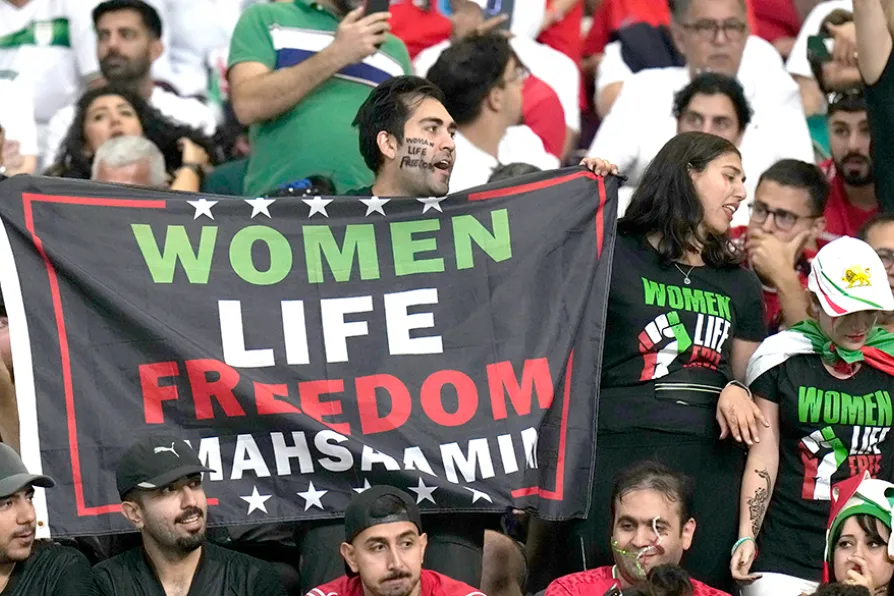 ‘THE SECRET TO FREEDOM IS COURAGE’ (Thucydides): Iranian fan makes his views clear at the World Cup game between England and Iran at the Khalifa International Stadium
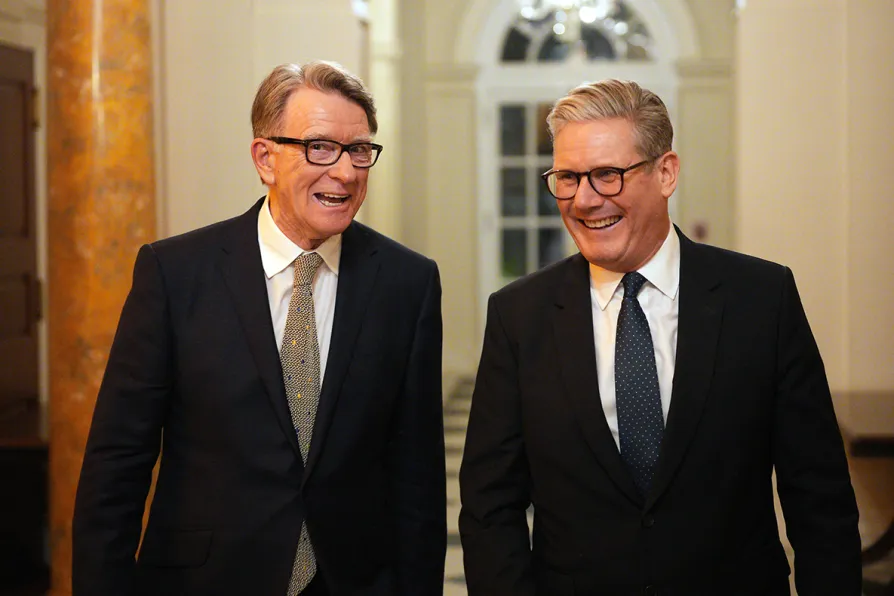
Starmer promised a reset after Labour’s dire electoral performance, but the government’s programme still falls far short of the bold action needed, says ANDY McDONALD MP
ANDREW DRAPER reports on the deliberate targeting and torture of Palestinian journalists by the Israeli state
Author Michael Rosen asked people how we confront a takeover by Reform. The Labour Party would do well to listen to the answers rather than shuffle more deckchairs on the Titanic, writes LINDA PENTZ GUNTER
What began as a purported ‘anti-drugs mission’ has evolved into a permanent regional military operation, write ROGER D HARRIS and JOHN PERRY
KEITH FLETT looks at a post-election London





Unsere Zeit: In Iran, the protests quickly changed from being about the murder of Mahsa Amini to being about the general situation of women. Can you briefly describe what that situation is? What are the restrictions on women’s rights apart from the obvious dress code?
Mohammad Omidvar: To understand the root and cause of the current uprising against the reactionary regime in Iran, it is essential to note that over the past two years we have been witnessing ever-increasing social unrest and protests.
There have been a number of strikes across various industries, the most prominent being the long strike at the Haft-Tapeh sugarcane agro-industrial complex in Susheh, the strike at Hepco, the heavy equipment production company in Arak, thousands of contract workers in the oil and petrochemical industries, strikes and protests by teachers across almost all cities in Iran and protests by tens of thousands of pensioners.

Similar stories
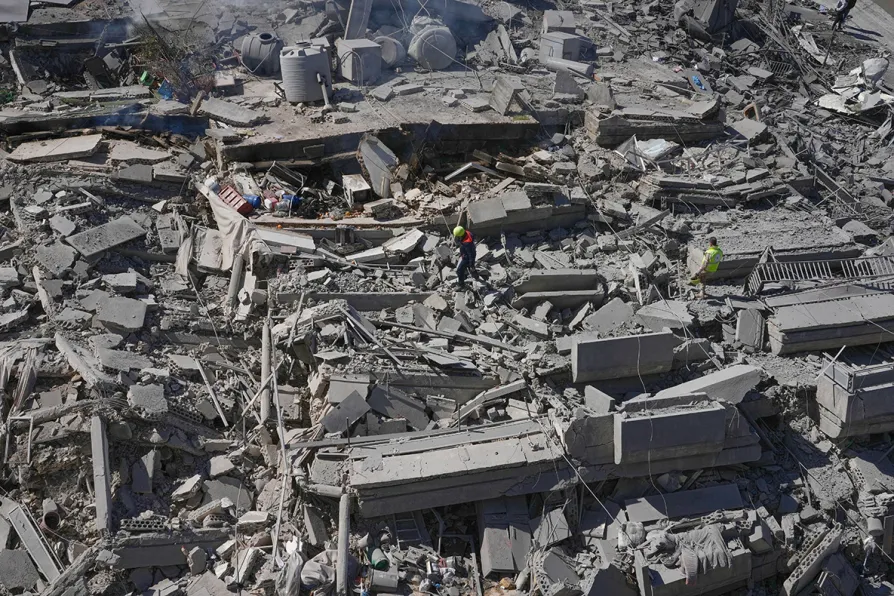
The civilian toll climbs past 1,000 as women, children and families are struck in their homes, schools and public spaces – a stark illustration of the human cost of war. AZAR SEPEHR emphasises that the future of Iran is solely determinable by the people of that country and them alone
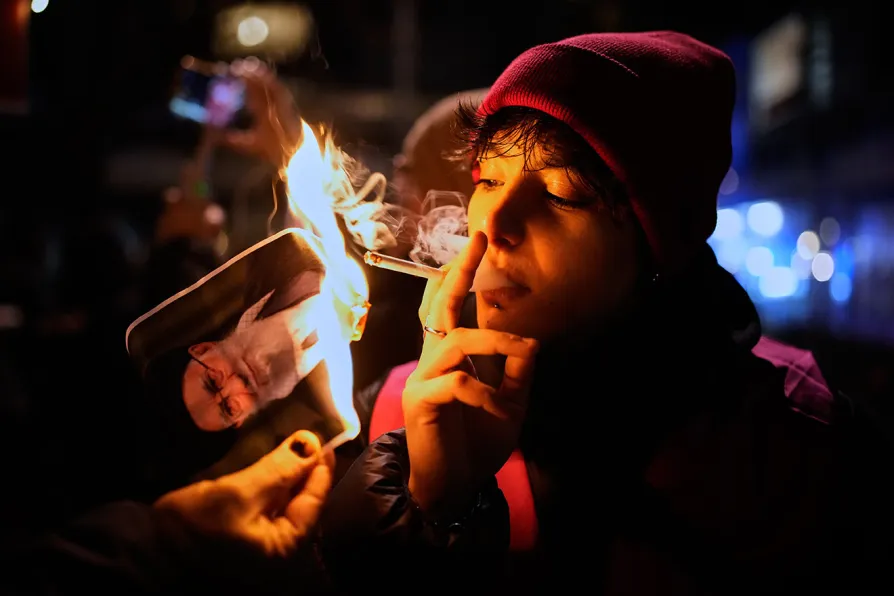
MOHAMMAD OMIDVAR, a senior figure in the Tudeh Party of Iran, tells the Morning Star that mass protests are rooted in poverty, corruption and neoliberal rule and warns against monarchist revival and US-engineered regime change
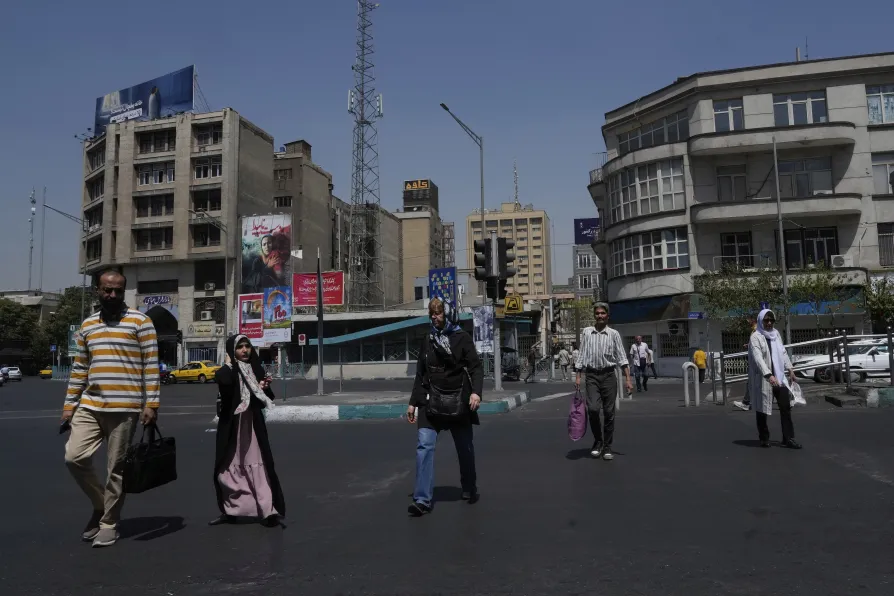
Payam Solhtalab talks to GAWAIN LITTLE, general secretary of Codir, about the connection between the struggle for peace, against banking and economic sanctions, and the threat of a further military attack by the US/Israel axis on Iran
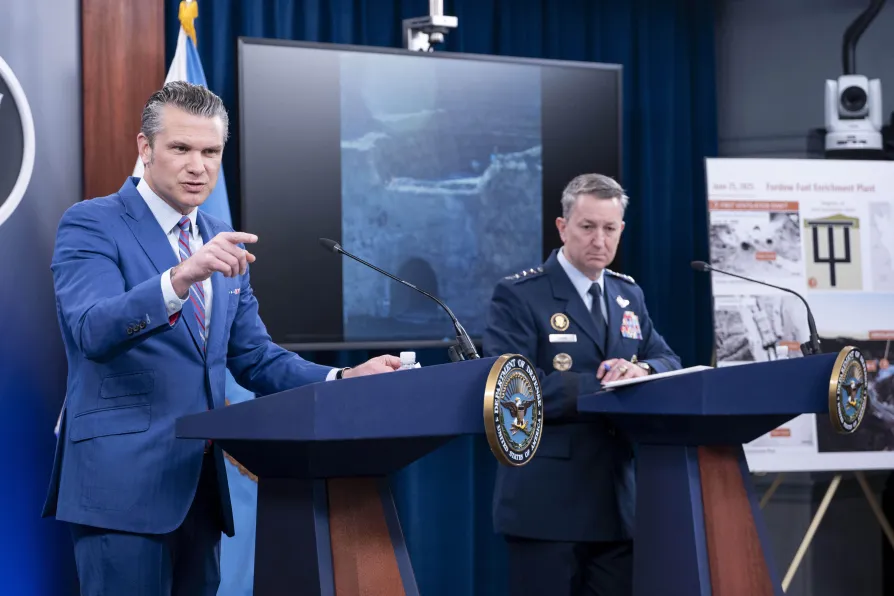
The US’s bid for regime change in the Islamic Republic has become more urgent as it seeks to encircle and contain a resurgent China, writes CARLOS MARTINEZ