
The US administration is endangering lives by reversing environmental protection laws, CHAUNCEY K ROBINSON argues

March 8 amid the US-Israeli war of aggression on Iran
The civilian toll climbs past 1,000 as women, children and families are struck in their homes, schools and public spaces – a stark illustration of the human cost of war. AZAR SEPEHR emphasises that the future of Iran is solely determinable by the people of that country and them alone
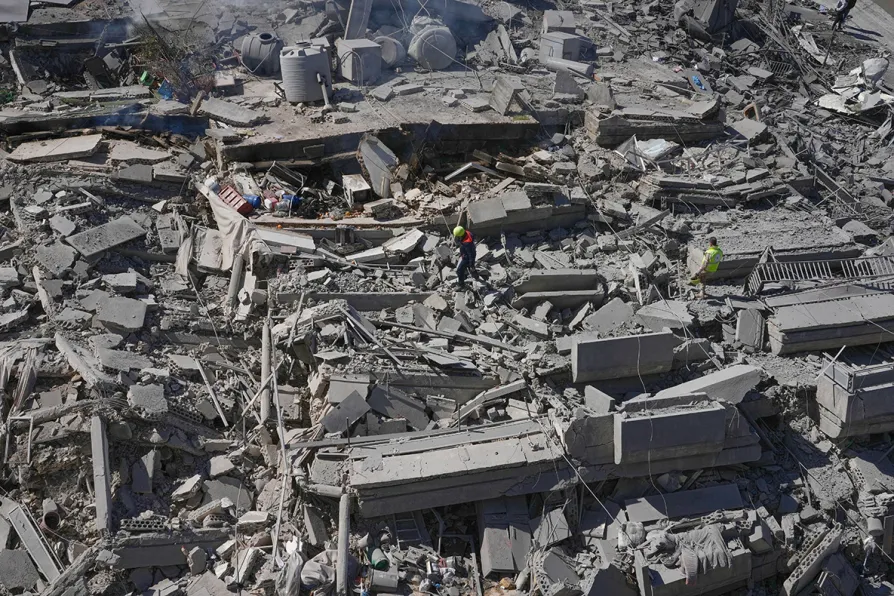
 Rescue workers check a destroyed building that was hit by an Israeli air strike in Nabatiyeh town, south Lebanon, March 5, 2026
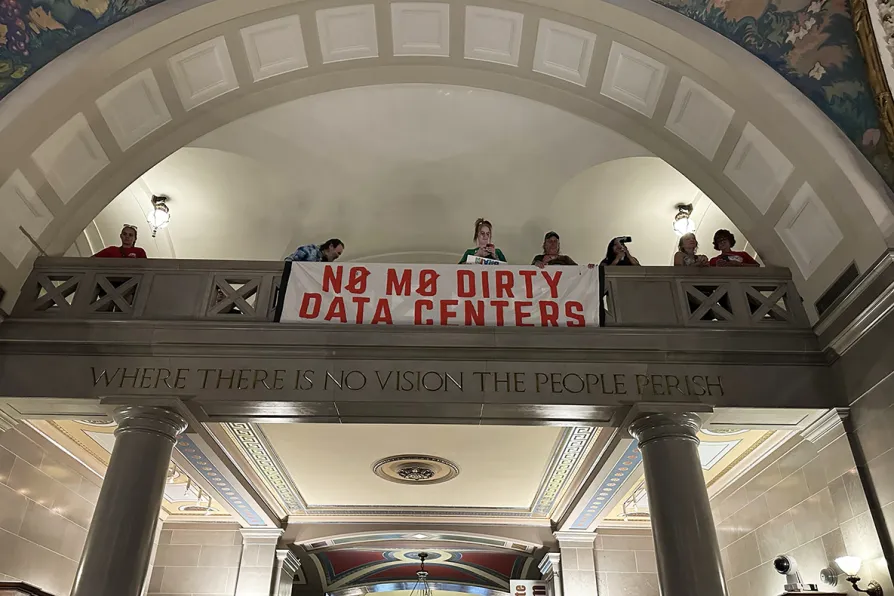
It’s time to stop retreating and go on the offensive to promote working-class interests, argues DOUG NICHOLLS
Marco Rubio wants to defeat socialism in Nicaragua, not restore ‘democracy,’ writes JOHN PERRY
Believe it or not, there was a time when the US government built beautiful homes for working‑class Americans to deal with a housing shortage, writes ERAN BEN-JOSEPH
DIANE ABBOTT provides an analysis of the reasons for EU and British voters’ dramatic swing to the right
Train drivers’ union Aslef general secretary DAVE CALFE speaks to Ben Chacko about his hopes that Burnham’s devolution agenda will include the importance of the railway





FROM THE very outset of this illegal war waged by the far-right and racist leaders of Israel and the US on Iran, its brunt has been born by the innocent and long-suffering people in Iran, with women and girls often at the forefront.
More than 170 schoolgirls and their teachers in Minab, Hormozgan, in southern Iran, were killed when an elementary school came under attack on the first day of the bombardment.
Then 20 young female volleyball players were killed in the targeting of a sports hall in Lamerd, Fars Province, with a further 100 injured.
Women, children, as well as men are being killed, gravely injured, and maimed while sheltering in civilian residences and public spaces, while travelling in cars or on public transport, or in public spaces — as in the horrific attack on Niloufar Square in Tehran on the late evening of Sunday March 1.
There are even reports of the “double-tap” tactic being employed that targets emergency services that attend the scene of the first strike — also ominously referred to as the “Gaza method.”
By Wednesday March 4, the number of civilians killed has surpassed 1,000. The US has even stated that the extent of the bombardment of Iran, Tehran in particular, goes beyond the “shock and awe” inflicted on the civilian population of Baghdad in 2003.
This war of choice is a flagrant violation of the United Nations Charter and international law and will leave a legacy of devastation, trauma, and instability for years to come.
As we approach International Women’s Day, first commemorated in the city of Rasht in northern Iran 103 years ago, we are mindful of the legacy of the struggle of the brave women of Iran who preceded us.
Their struggle, as is ours today, was inextricably intertwined with the dual anti-imperialist-anti-dictatorship struggle of our people. We have faced imperialist conspiracies against the popular will in Iran throughout our contemporary history — such as the efforts to undermine the Constitutional Revolution in the early 20th century; or the movement for the nationalisation of oil, where we witnessed the brutal CIA coup d’etat of 1953, assisted by the British government.
We have faced the imperialist-instigated Iran-Iraq war, and now we are living through the latest outrage perpetrated by US imperialism and its regional henchman, Benjamin Netanyahu, following their “12-day war” on Iran in June 2025.
The challenges faced by the women of Iran were intensified when the newly formed Islamic Republic imposed Islamic law on the country shortly after the 1979 Revolution, instantly curtailing women’s and human rights.
The reduction of working hours for married women in various industries, mandatory hijab in the workplace and in public spaces, lower pay for women workers than men, segregation in education and health, as well as restrictions on women in cultural venues, destructive anti-women bias in the family law, and the legalisation of child marriage, are among the many injustices inflicted by the regime on Iranian women.
The women of Iran have fought courageously against the misogynistic laws and values imposed by the theocratic regime. They have led campaigns such as the campaign of “no to femicide” and pressing for an end to child marriage and to child labour. Mothers for Justice have kept pressing for justice for their loved ones who were extrajudicially executed, and women have led momentous protests such as the “Woman, Life, Freedom” movement in 2022-23, which became a turning point in the popular movement of our country against the dictatorship of the supreme religious leader.
They were also prominent in the protests of late December 2025 that culminated in the killing of several thousand protesters on January 8-9 2026 and the arrests and detaining of thousands more. Dozens of these protesters remain under the imminent threat of execution. And courageous women’s activists have been instrumental and at the forefront of the critically important “No to Executions!” campaign in Iran.
The disastrous and unwelcome interventions of the Trump administration are widely held by civil society activists in Iran as having been instrumental in bringing about the brutal crackdown that ended the bona fide popular and legitimate protests in Iran.
The current US-Israeli onslaught has put the people of Iran in even greater danger — caught between a brutal reactionary dictatorship and the deadly firepower of imperialist greed.
Like millions in Iran and worldwide, we unequivocally oppose the war of aggression on Iran, as well as any attempt to violate its territorial integrity. This has been repeatedly made clear, including at the “meeting of civil institutions about peace” held in Tehran in September 2025 on World Peace Day.
The people of Iran and their progressive forces reiterate that the future of our country is solely determinable by the people of Iran and them alone. The imperialist Trump-Netanyahu imposed war must be condemned and stopped and its belligerents brought back to the table of genuine diplomacy disposed towards a peaceful negotiated solution.
We will continue our call for peace, an end to the dreadful repression in Iran, as well as the unity of our national progressive forces alongside the people of Iran for a political transition to a democratic and free Iran.
Dr Azar Sepehr is a spokesperson for the Democratic Organisation of Iranian Women, founded in 1943.

Similar stories
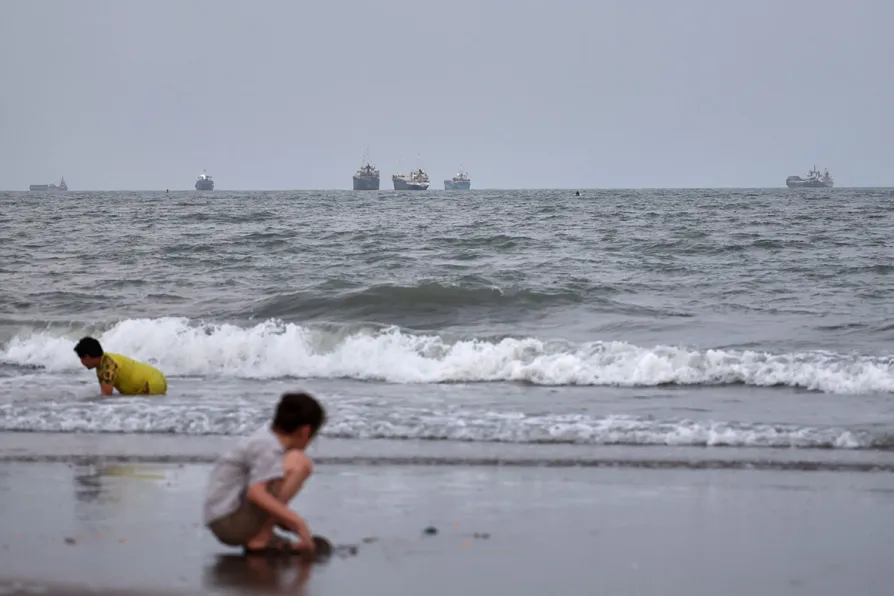
Committee for the Defence of the Iranian People’s Rights general secretary GAWAIN LITTLE discusses the impact of the US-Israeli war on the Iranian people and economy
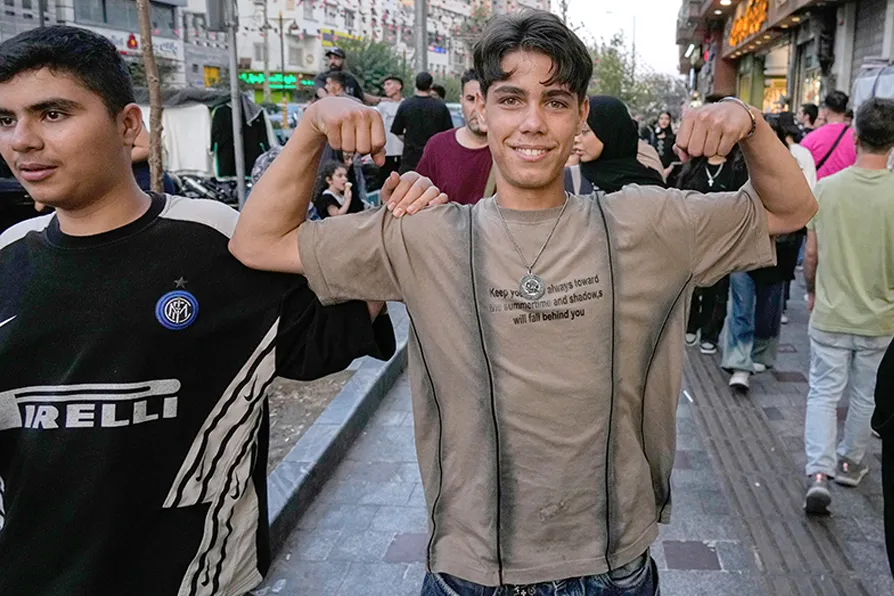
The US aim to reshape the existing order in the Middle East needs to be resolutely resisted, argues PAYAM SOLHTALAB
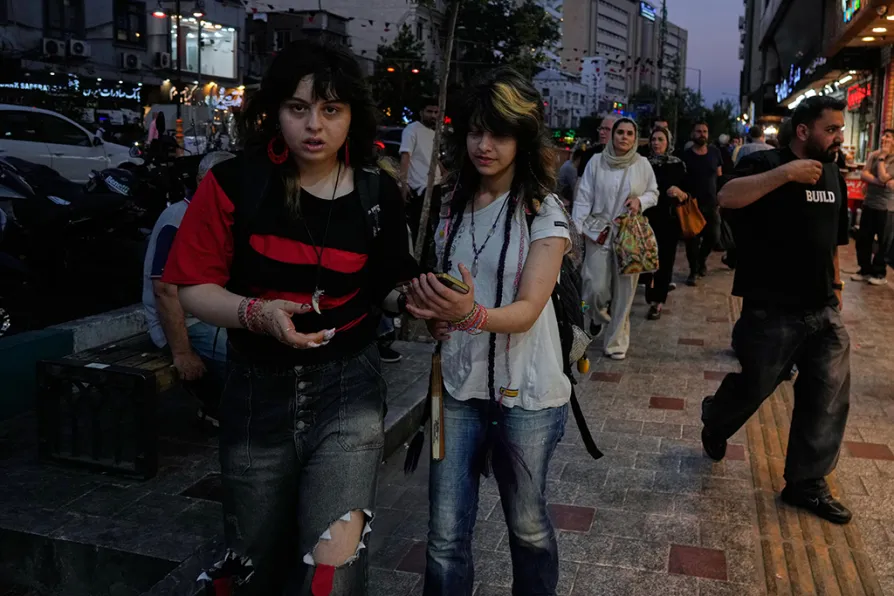
The ceasefire may have halted the fighting for now, but years of economic warfare and recent military attacks have left millions of Iranians facing hardship and uncertainty, says Codir’s RUBEN BRETT
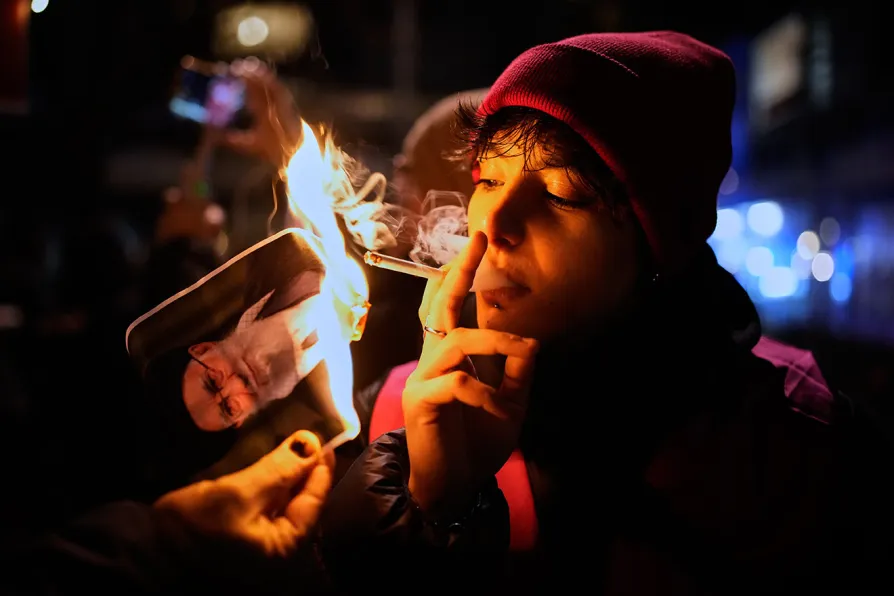
MOHAMMAD OMIDVAR, a senior figure in the Tudeh Party of Iran, tells the Morning Star that mass protests are rooted in poverty, corruption and neoliberal rule and warns against monarchist revival and US-engineered regime change