WILL STONE samples the 20th anniversary atmosphere of this eclectic end-of-season indie festival


 Latest editorial
Gombrowicz: literary disruptor
CHRIS MOSS joins the hunt in Argentina for the works of Poland’s most enigmatic exile
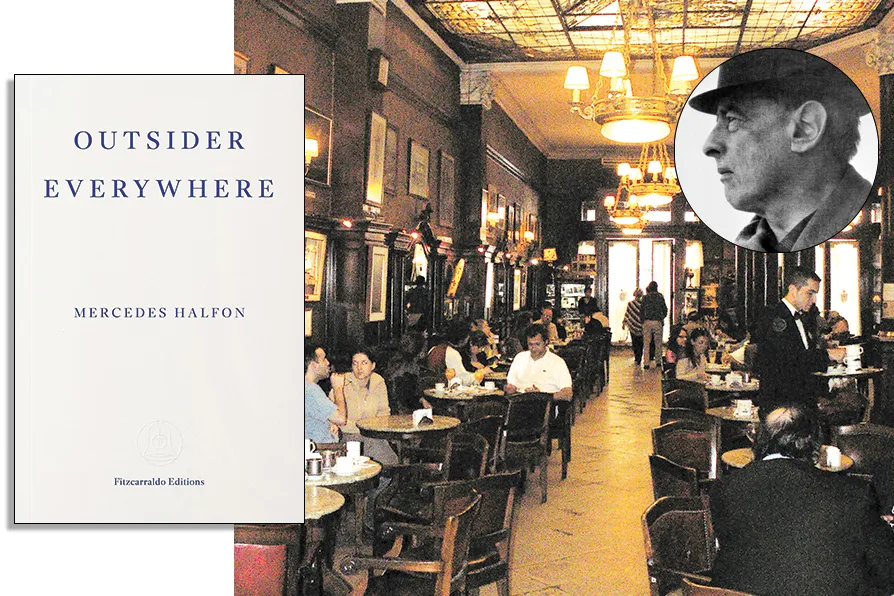 GOMBROWICZ HAUNT: Cafe Tortoni at 825 Avenida de Mayo / Pic: Dziczka/CC; insert Bohdan Paczowski/CC

Comics are not just superheroes and spandex – it can be public art, telling public stories, suggests HARRIET EARLE
The bard serenades the Diggers of Wigan and their festive followers
ALEXEI SAYLE speaks to Angus Reid about a lifetime of protest, how to hone political art – and what to do now
ANDY HEDGECOCK, JAMES WALSH, LEO BOIX and MARIA DUARTE review Just An Illusion, Everybody Digs Bill Evans, Blue Film, Oasis: Don’t Look Back in Anger, and Runner
MARIA DUARTE recommends a nerve-wracking reconstruction of the 72 hours before the Normandy landings





Outsider Everywhere: Witold Gombrowicz in Argentina
Mercedes Halfon, Translated by Rahul Bery
Fitzcarraldo, £12.99
UNTIL very recently, postcolonial Latin American literatures tended to evolve along the same lines as conquest, piracy and trade, with influence principally from Spain, France and the Anglo-American world.
The best-known writers of Buenos Aires, which once styled itself the “Paris of South America,” spent time in Western Europe and its political and cultural elites fell into Anglophile and Anglophobic/Francophile camps.
While modern-day portenos (residents of the Argentinian capital) arguably have more in common with people from Seoul, Lagos or Lima, the “central countries” still hold significant sway when it comes to writing and the arts in general.
Witold Gombrowicz was a spanner in the works.
He arrived in Buenos Aires in August 1939, a little over a week before Nazi Germany invaded his native Poland. When the news arrived, Gombrowicz, who was in thrall to “the enormous sense of curiosity the city produced in him,” wandering tirelessly around its immense grid of streets, and briefly wavered between returning to Poland or staying until hostilities ended.
At the dockside he made his decision, shaking and repeating over and over: “I can’t, I can’t.” He would remain in Argentina for 24 years.
Gombrowicz was 35. He had published stories, two plays and the novel Ferdydurke. He occupied a “marginal, controversial” place in Warsaw’s literary scene.
In Buenos Aires, he had no large expatriate community to turn to, no Spanish, no job, and had to flit around guesthouses to find a bed for the night. Surrounding himself with poets and admirers, friends and financial aides, he proceeded to construct a bohemian lifestyle – meaning penury and insecurity – and reinvent himself as a writer.
An argumentative, intense, sometimes misogynistic character, he dazzled many of the Argentinian intellectuals who got to know him. As a gay man, he sometimes had to operate at the fringes of even that tiny world.
Mercedes Halfon’s short book is a joy. Its chapters are bite — or cortado — sized, making you think of Gombrowicz walking around town, poncing drinks off acquaintances, angling for work, playing chess in the Rex cafe on Avenida Corrientes.
It’s full of engaging vignettes: the philosophy courses he gave to well-to-do Polish ladies; his tedious job as a bank clerk (he described himself as an “eminent anti-talent in banking matters”); his restless travels to the interior and to Uruguay; his friendship with the young left-wing activist Mario Roberto Santucho, later leader of Argentina’s largest Marxist guerilla group, the ERP (People’s Revolutionary Army); the committee-like process of translating Ferdydurke into Spanish in 1947.
Gombrowicz’s long stay coincided with the officers’ coup d’etat, that opened the way for Peron’s first two terms as president and the coups of 1955 and 1962. In 1961, Jorge Luis Borges shared the Formentor Prize with Samuel Beckett; in the following year, Labyrinths would propel him to worldwide fame.
The year after that, the experimental novel Rayuela by Julio Cortazar – born in Brussels, resident in Paris – would make a considerable impact in Europe. The “Boom” would soon follow.
But we don’t turn to Outsider Everywhere for more than shadow-references to the above. Halfon’s focus is always her hero. It was part of his wilful nature to not allow himself to be drawn into, or compared with, the dominant local literary schools or circles. He never mastered Argentinian castellano (“my Spanish is that of a small boy”). As his writing began to earn him money, it was largely from European publishers.
Moreover, this book has a diaristic quality – perhaps prompted by Gombrowicz’s own diary (which he kept from 1953-1969) – flitting between now and the past, between the life and the icon, between the long years of obscurity and present-day fascination with this author both in Poland (where he is as famous as Borges or Czeslaw Milosz) and in Argentina (where he is revered by the intelligentsia as one of their own, like a cooler version of WH Hudson or Lucas Bridges).
Referencing Ferdydurke, Halfon sums up Gombrowicz’s literary philosophy as “the rejection of maturity, of form, and the quest for the imperfect, the immature, youth.” The nub of her book derives from the Polish author’s existential creed based on this “rejection” and “quest,” partly because of his personality, and partly because a Polish author was always going to skewer the hegemonic notions about culture and literature that inhered in Buenos Aires.
As Argentinian writer and critic Martin Kohan puts it: “What interested me about him was the question of the foreigner here, that dislocation of the distribution of identities that he produces with his presence alone… In other words, if Europe is the centre in relation to the Argentine periphery, he is a peripheral European because he is Polish… nor is it a case of reaffirming the margin, because when you carry out that act of reaffirmation you are also ratifying the centre-margin order of things. It seems to me that what Gombrowicz does, at times, simply by existing, is to destabilise the system.”
That Gombrowicz was reportedly, and seriously, considered for the Nobel Prize may surprise some British readers. Why is he not more well-known here? Perhaps because margins and centres are also sharply defined in London, which presides imperiously over the nation’s cultural life.
Fitzcarraldo, which has already published Gombrowicz’s subversive mock-Gothic novel The Possessed, is a welcome disruptor. Mercedes Halfon’s vivacious text, ably translated by Rahul Bery, leads its readers on a pleasurable search for clues around Buenos Aires – part flanerie, part stumble – and will surely send some to hunt for the primary texts of Poland’s most enigmatic exile.

Similar stories
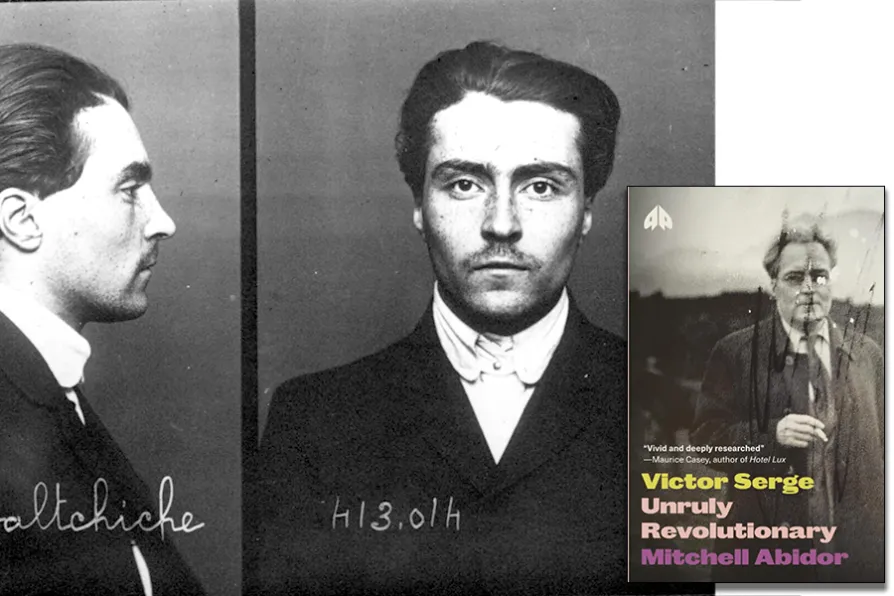
HENRY BELL salutes a fine portrait of a revolutionary who remains a deeply significant and provocative figure
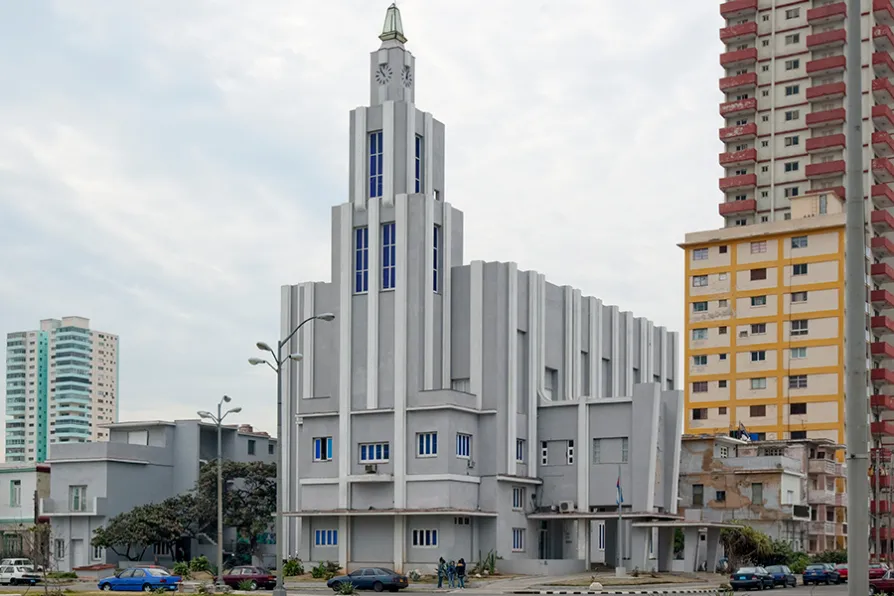
MIGUEL YOSHIDA explains the evolution and influence of the Cuban Casa De Las Americas in joining culture to the revolutionary struggle
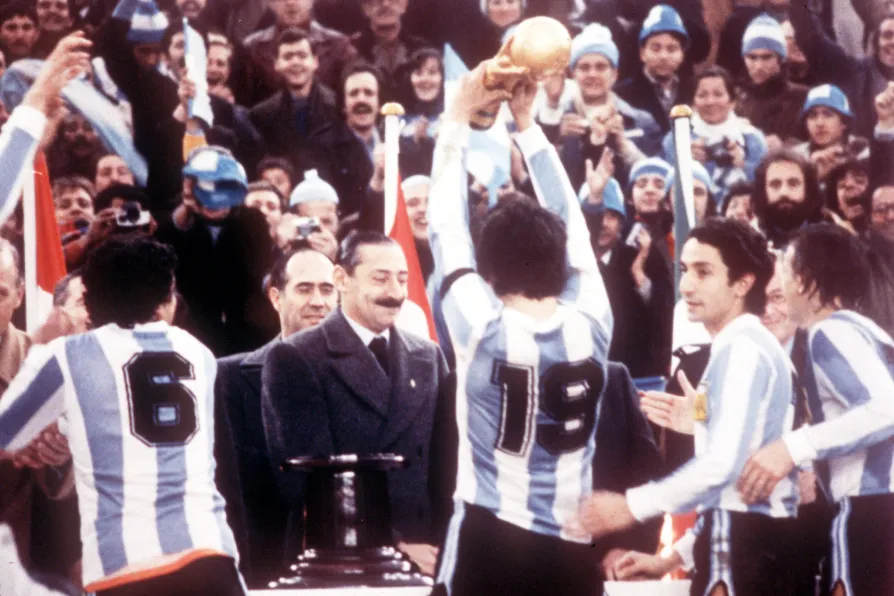
Football may not solve the working class’s problems, but it does matter — and politicians know it, writes BERT SHOUWENBURG
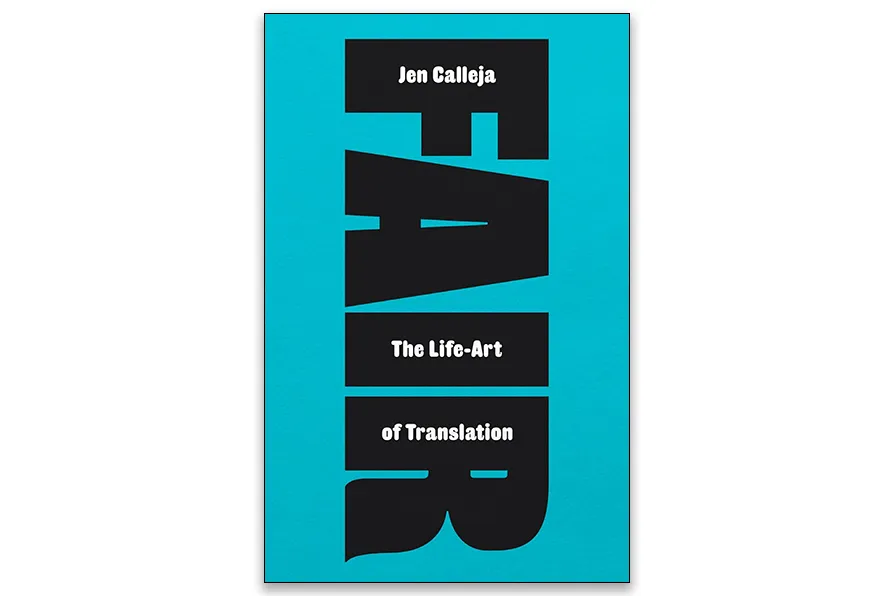
KEN COCKBURN relishes the memoir of a translator, but wonders whether the autobiography underlying the impulse would make a better book