RITA DI SANTO assesses the winners of the most politically charged festival to date


 Latest editorial
Divided but not conquered
RON JACOBS recommends a book that charts the disparate circumstances that defined the lives of two prominent black Afro-Americans — one a communist, the other an anti-communist
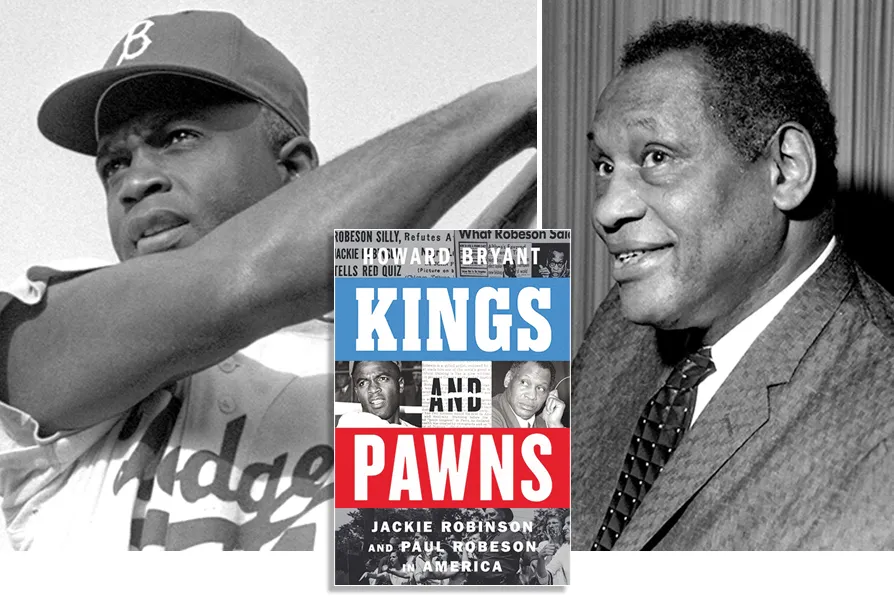 CONFORMISM v REBELLION: Jackie Robinson of the Brooklyn Dodgers in 1954 and Paul Robeson on a visit to London in 1958 Pics (L to R): Bob Sandberg/Public domain; PA
KATARZYNA KOSMALA introduces a retrospective by one of the most significant figures in contemporary US photography
MAYER WAKEFIELD is entertained but let down by an audacious production that, sadly, doesn't ring true
MARY CONWAY is disappointed by drama that, despite accomplished performances, cannot overcome an unfocused script
New releases from Sam Carter, Spell Songs and Les Thomas





Kings and Pawns: Jackie Robinson and Paul Robeson in America
By Howard Bryant
Mariner Books £36.00
PAUL ROBESON and Jackie Robinson never met in person. During certain periods in their lives, both men were held up by white America as examples of proof that in the US anyone can make it if they apply themselves.
Of course, left unsaid in this myth are at least two truths. The first truth is if a person trying to make it is not white-skinned, their efforts will have to be at least twice that of most white men and, second, even if they face racism and prejudice along the way, those who aren’t white men must bear it with grace, indeed with submission.
Their pride must be suspended except when it is deemed appropriate; in other words when it won’t offend the white supremacists and their system of domination.
Robeson rejected this dynamic. Robinson struggled with it most of his life. Howard Bryant looks at both men and their lives in an age when very few black men (and even fewer women) even had an opportunity to be noticed for their athletic and entertainment prowess, much less their intellect.
It starts with Robinson’s appearing before a 1949 House UnAmerican Activities Committee (HUAC) hearing designed to denigrate Robeson, whose socialist politics earned him the wrath of many US residents.
Although neither man had ever met the other, Robinson acted under pressure from Branch Rickey, the man who helped him get into Major League Baseball (MLB).
Despite the mythology surrounding Rickey — one that paints him as an anti-racist hero and champion of a racially integrated world of sports in the US — Bryant suggests that Rickey was no different from most other white people in the US at the time.
Robinson was anti-communist, too. He also felt beholden to Rickey for his role in getting him onto the Brooklyn Dodgers roster. So, when Rickey asked Robinson to testify, Robinson agreed.
Rickey coached him on what to say, and Robinson mostly followed the script he was given.
Later Robinson realised that MLB and most of its white fans only liked him when he keept his mouth shut and played ball. But he could only do this for so long and eventually he reacted and his anger turned off many fans and others of the world of professional baseball.
Meanwhile, Robeson, who had been one of the greatest singers, college football players and screen actors in the US, saw his income disappear and his life under threat. His entourage and the concert-going public at his 1949 concerts in Peekskill, New York were attacked by far-right citizens’ groups backed by local police.
Bryant used to write for the Boston Herald sports section and was one of the few black writers to ever appear on those pages and at the it was the paper of Boston’s white working class, who identified more with its right-wing columnists and editorial policy than they did with the Boston Globe’s conventional liberalism. (An older friend of mine, whose politics are right wing, called the Globe a commie paper — and he wasn’t joking).
Bryant knew his audience and his columns seemed intended to make them look at their world differently. His 2002 book, Shut Out: A Story of Race and Baseball in Boston, remains one of the best books on Boston sports ever written.
Kings and Pawns is a history of the US at a time somewhat like the current one, which is reason enough to read it and consider its meaning.
Ron Jacobs is the author of several books, including Daydream Sunset: Sixties Counterculture in the Seventies published by CounterPunch Books. His latest book, titled Reality, Resistance, Rock and Roll is a collection of book reviews written for Counterpunch over the years and is now available. He lives in Vermont. He can be reached at: ronj1955@gmail.com

Similar stories
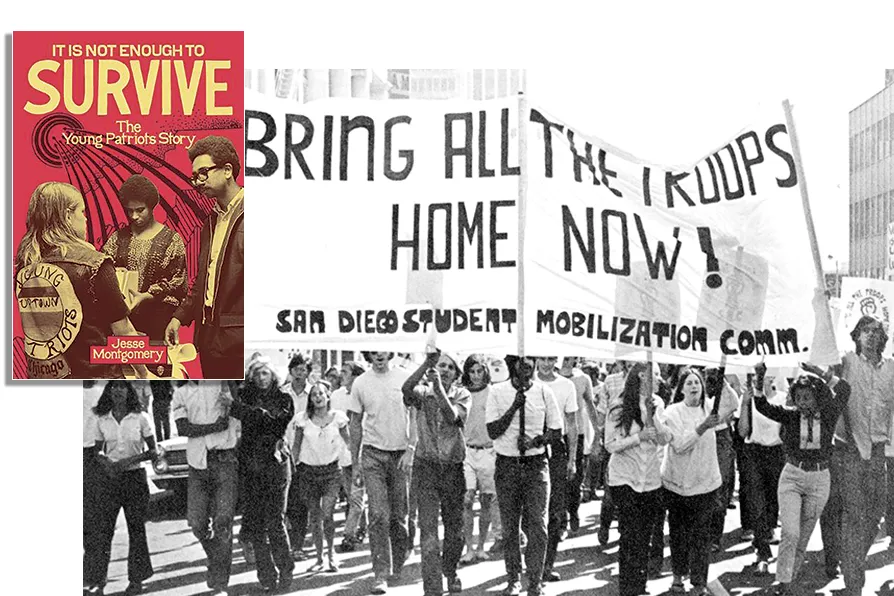
RON JACOBS welcomes a history of the Young Patriots Organisation that is also an organising manual with applications and implications for today
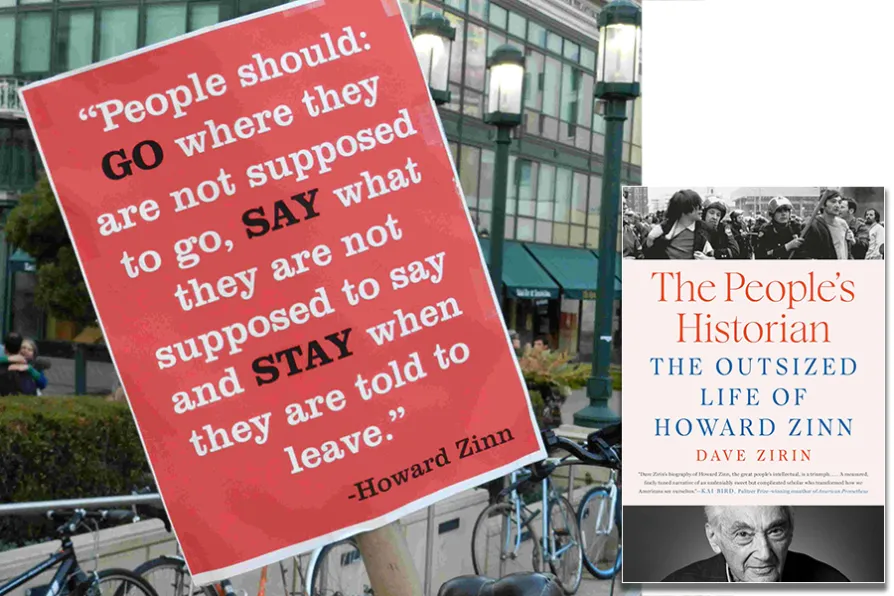
RON JACOBS welcomes the political lessons for today, about organisation and withdrawal from conflict, made by an erudite and conversational biography
RON JACOBS enjoys a great tale, told by a US communist, of the lives of working-class New Yorkers
RON JACOBS is enthralled by an account of the surveillance and political repression on the left in the US