
The US administration is endangering lives by reversing environmental protection laws, CHAUNCEY K ROBINSON argues

Teachers hear of repression and the horrors of war from Iran
A packed fringe meeting at the National Education Union conference heard from Iranian teachers, campaigners and journalists
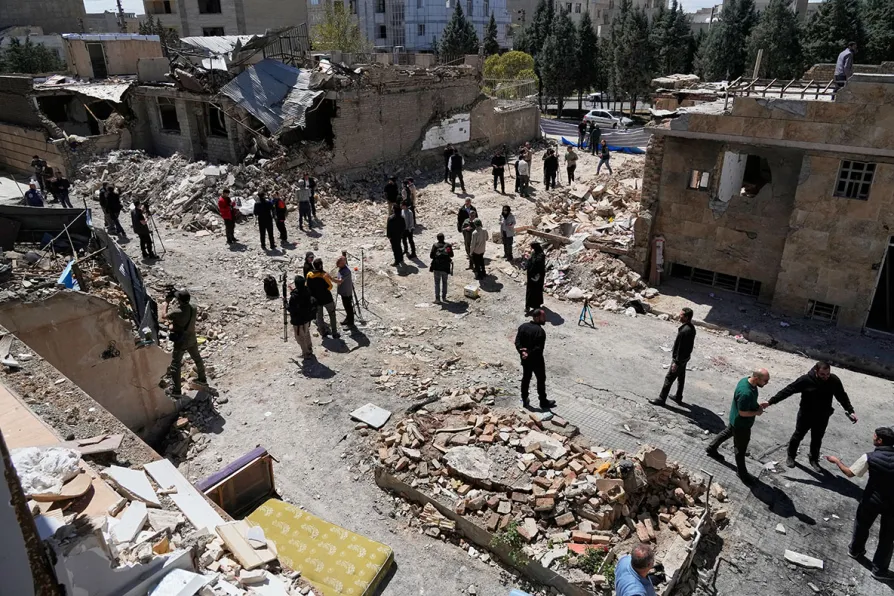
 Journalists from foreign media based in Tehran document damage from U.S.-Israeli strikes in a residential area of the town of Fardis, west of Tehran, Iran, April 3, 2026
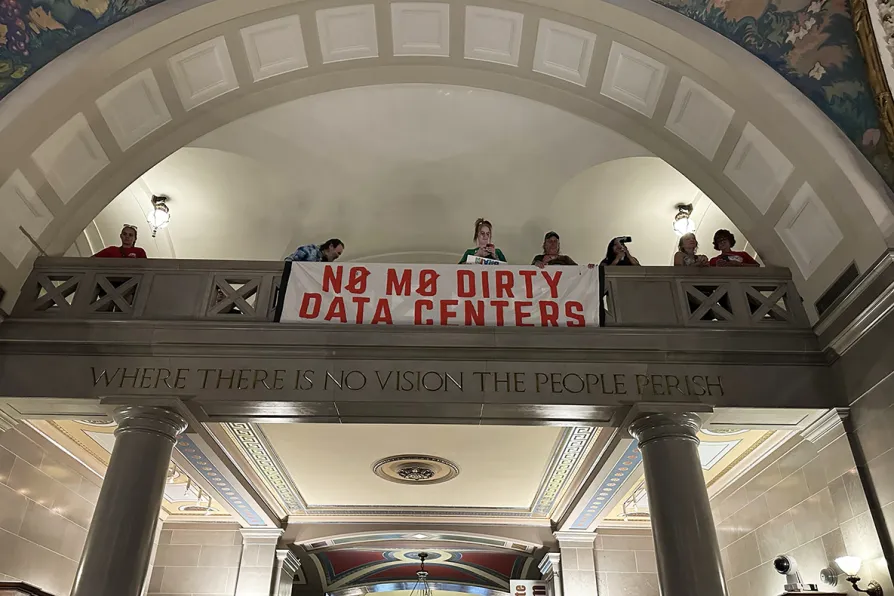
It’s time to stop retreating and go on the offensive to promote working-class interests, argues DOUG NICHOLLS
Marco Rubio wants to defeat socialism in Nicaragua, not restore ‘democracy,’ writes JOHN PERRY
Believe it or not, there was a time when the US government built beautiful homes for working‑class Americans to deal with a housing shortage, writes ERAN BEN-JOSEPH
DIANE ABBOTT provides an analysis of the reasons for EU and British voters’ dramatic swing to the right
Train drivers’ union Aslef general secretary DAVE CALFE speaks to Ben Chacko about his hopes that Burnham’s devolution agenda will include the importance of the railway





NEARLY 150 National Education Union conference delegates attended a fringe meeting organised by the Committee for Defence of the Iranian People’s Rights (Codir) on Wednesday.
The meeting heard from formerly imprisoned Iranian teachers’ leader Esmail Abdi about the struggle of the Iranian people caught between murderous US-Israeli attacks on one hand and intensified repression by the theocratic dictatorship on the other.
Abdi spoke about the recent public campaigns launched by his teachers’ union, CCITTA, symbolically highlighting the “abandoned backpacks” of children killed by US-Israeli bombing along with “empty seats” in classrooms due to repression facing older students.
Chairing the meeting, NEU deputy general secretary Sarah Kilpatrick emphasised the horror of the US-Israeli attacks which on the first day of the war killed more than 160 girls at a primary school in Minab along with their teachers.
Dr Azar Sepehr of the Democratic Organisation of Iranian Women told the meeting that, while the people of Iran have suffered for decades under the “medieval” approach of the Islamic Republic to social rights and freedoms, along with its neoliberal turn in economic policy and widespread poverty, they are now defending their sovereignty against aggression since the record of Afghanistan, Iraq, Libya and Syria shows that “regime change orchestrated by foreign powers would only replace one dictatorship with another.”
While calling for trade unionists to push for an end to executions and repression, Dr Sepehr emphasised that her country’s fate is for its own people rather than “two discredited criminals in the US and Israel” to decide.
Journalist Joe Gill emphasised the illegality of US-Israeli attacks which have used false pretexts of stopping Iran from developing a nuclear weapon or alternatively of supporting the Iranian people’s struggle for democratic rights.
Gill pointed out that these false narratives are similar to those used around the 2003 invasion of Iraq which ultimately killed more than 1 million Iraqis and devastated the country.
Noting her union’s consistent stance in support of peace and human and democratic rights in Iran, the NEU’s Louise Regan argued that “as educators we need to talk about these issues in our schools.” Regan recounted how in her work as a teacher she had recently organised an assembly focusing on Iran and the war, and recalled the gratitude of an Iranian colleague.
Codir assistant general secretary Jamshid Ahmadi hailed the NEU conference as one of the few occasions on which British trade unions have discussed Iran as a serious issue, and called for international mobilisation to stop the war which “is already a catastrophe for the people of Iran and the region.”
“We must do all in our power to stop it from getting worse,” he affirmed, expressing hope that the end of Nowruz on Thursday might be followed by an end to the war.
Ahmadi thanked the NEU, including international secretary Celia Dignan, for the union’s long-standing support.
The meeting also heard a message of solidarity from NEU president Ed Harlow who highlighted resounding opposition to the war from conference delegates.

Similar stories
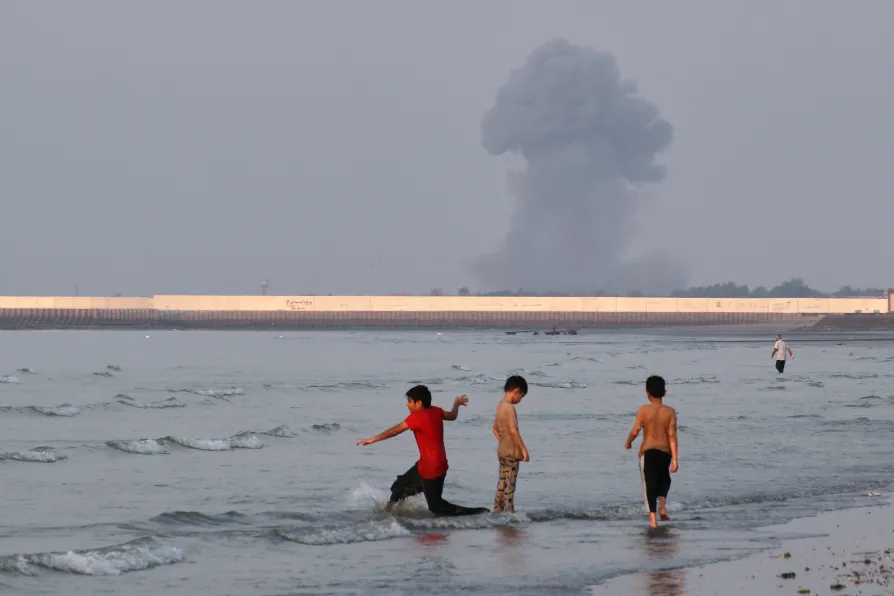
Behind the language of military strategy is a confrontation that risks drawing the wider Middle East into war, says STEVE BISHOP
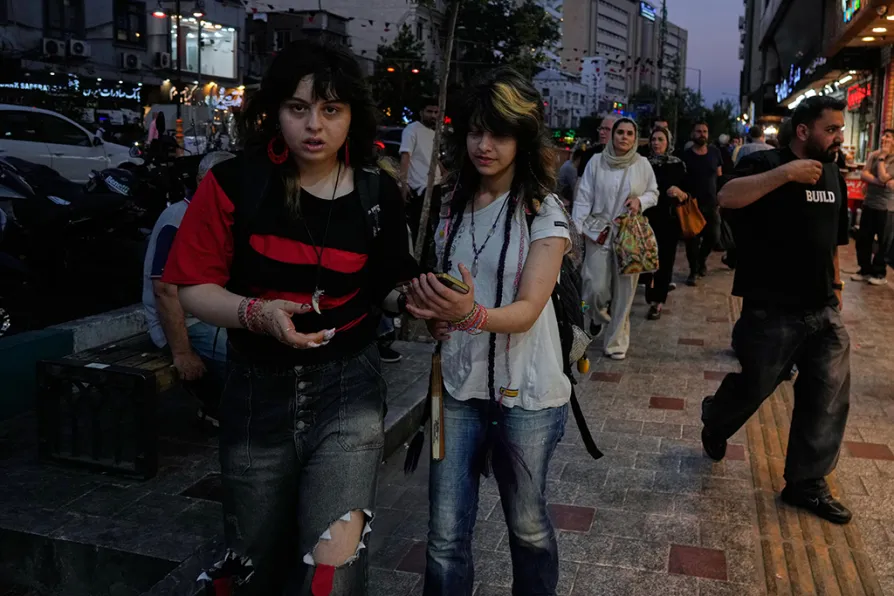
The ceasefire may have halted the fighting for now, but years of economic warfare and recent military attacks have left millions of Iranians facing hardship and uncertainty, says Codir’s RUBEN BRETT
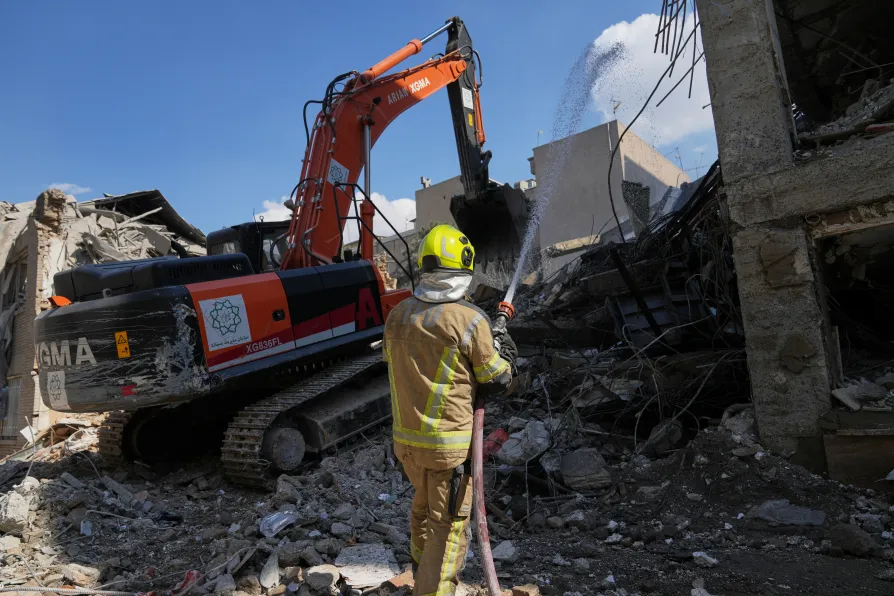
With attacks on industry, healthcare and education intensifying, JAMSHID AHMADI warns of a deliberate drive to cripple Iran and calls for urgent global action
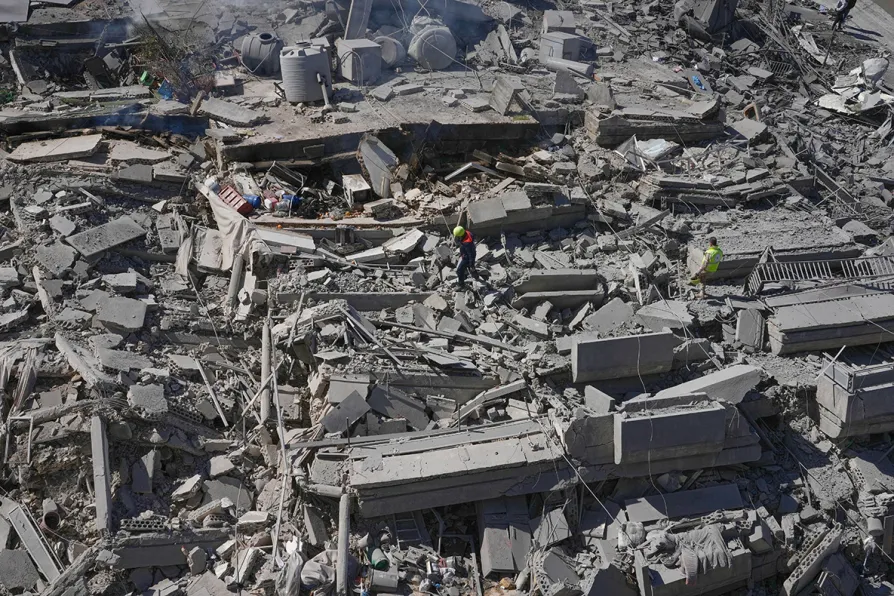
The civilian toll climbs past 1,000 as women, children and families are struck in their homes, schools and public spaces – a stark illustration of the human cost of war. AZAR SEPEHR emphasises that the future of Iran is solely determinable by the people of that country and them alone