
Washington’s inability to subjugate Iran is an example of how it is trying to preserve a regional order that no longer exists, argues RAMZY BAROUD


No liberation in bombs: Iran’s people face ruin amid escalating US aggression
With attacks on industry, healthcare and education intensifying, JAMSHID AHMADI warns of a deliberate drive to cripple Iran and calls for urgent global action
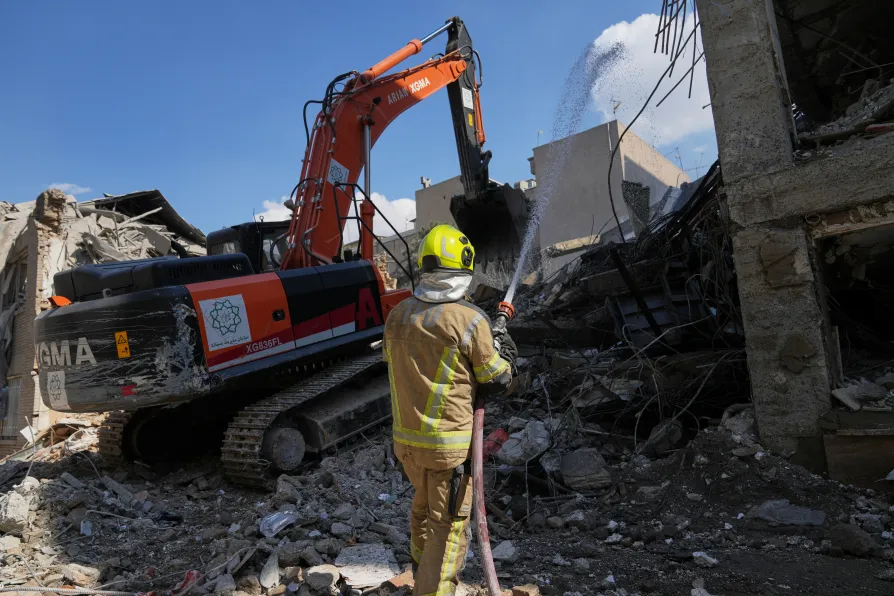
 An excavator removes rubble at the site of a strike that, according to a security official at the scene, destroyed half of the Khorasaniha Synagogue and nearby residential buildings in Tehran, Iran, April 7, 2026
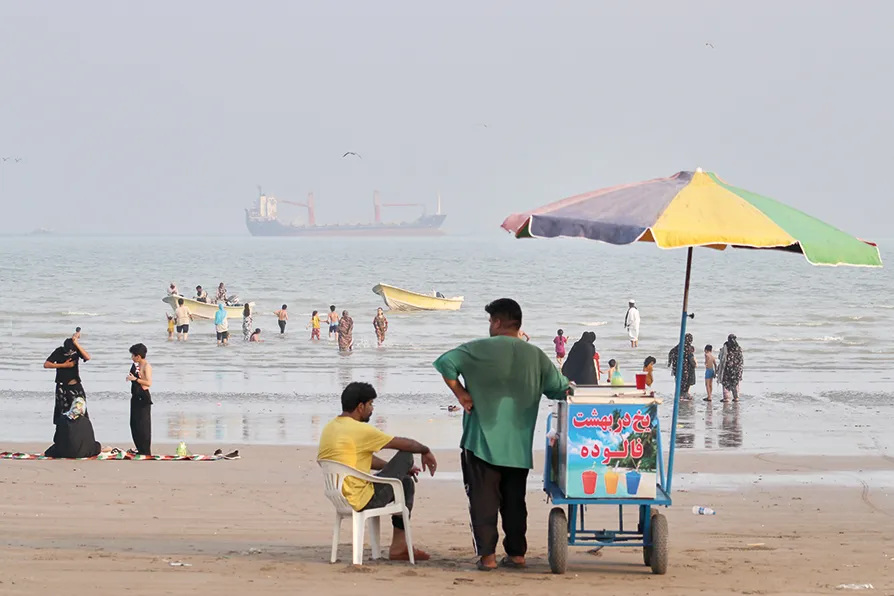
US financial instability is exposing the limits of a dollar-dominated global economy — and giving the Global South a historic chance to build an alternative, says MURAD QURESHI
DOUG NICHOLLS says the parasitic finance markets must be challenged or another British government could be toppled
The late country singer’s Imagination Library has put hundreds of millions of books into children’s hands. We should build on that legacy by defending the libraries at the heart of our communities, says BRENDA AITCHISON
Deprivation is a fundamental factor in criminal behaviour that must be addressed but, KENNY MacASKILL argues, there needs to a major rethink in sentencing to tackle overcrowding
MML director MEIRIAN JUMP outlines the recently refreshed library’s busy autumn schedule that ranges from book sales, archival exploration, community work with online education and the ever popular site tours
TONY BURKE surveys the shifting political landscape and the challenges Labour needs to address if it is to prevail in the 2028 federal elections





HAVING reduced Gaza and the long-suffering Palestinian people to a state of ruin and desolation, the US-Israeli axis of destruction has now turned its ruinous gaze and intent towards Iran — with Donald Trump waxing not-so-lyrical, over the Easter festival no less, threatening to “bring them back to the stone ages, where they belong,” beginning today.
During a press conference at the White House on Easter Monday, April 6 2026, the US president stated: “The entire country [Iran] can be taken out in one night, and that night might be tomorrow night.”
Defence Secretary Pete Hegseth stated that the US had carried out the largest volume of strikes against Iran since the first day of “Operation Epic Fury.” He further warned that the US military would “hit tomorrow even harder,” signalling a major escalation in the conflict.
The Iranian people, having already suffered decades of brutal repression at the hands of the ruling theocratic dictatorship, now stand on the eve of the potential mass devastation of their country as the US and Israel escalate, while openly extolling their around-the-clock bombardment of Iran’s civilian infrastructure, including educational institutions and historical sites.
Current statistics confirm that at least 760 educational facilities have been targeted in Iran since the US-Israeli onslaught against the country began on February 28.
On March 26, the Iran University of Science and Technology (IUST) in Isfahan was targeted; on March 27, the IUST in Tehran was reduced to rubble; while on the same day, the Amir Kabir University of Technology, Iran’s oldest and most prestigious technical university, was heavily damaged in targeted air strikes.
In just the last couple of days, Shahid Beheshti University and Sharif University, two of the country’s top-ranked universities in Tehran, were more or less completely destroyed in further targeted bombardment.
It is worth noting that the US did not actively target or bomb universities throughout its invasions and occupations of Afghanistan and Iraq.
Sharif University in Tehran, whose graduates power leading labs and industries worldwide, was bombed yesterday by the US and Israeli regimes.
Moreover, they are brazenly committing war crimes before the very eyes of the international community and world by wantonly laying waste to Iran’s energy and industrial infrastructure which supports the daily lives of ordinary civilians there and which makes ordinary existence in the country viable.
As a result of two waves of massive US-Israeli air strikes on March 27 and 31, the Mobarakeh Steel Complex in Isfahan, the largest industrial unit in Iran and the largest steel producer in the Middle East, was destroyed. The attack was huge blow to Iran’s national economy and industry given that steel production and supply’s importance is at the core of infrastructure, construction and industrial circulation.
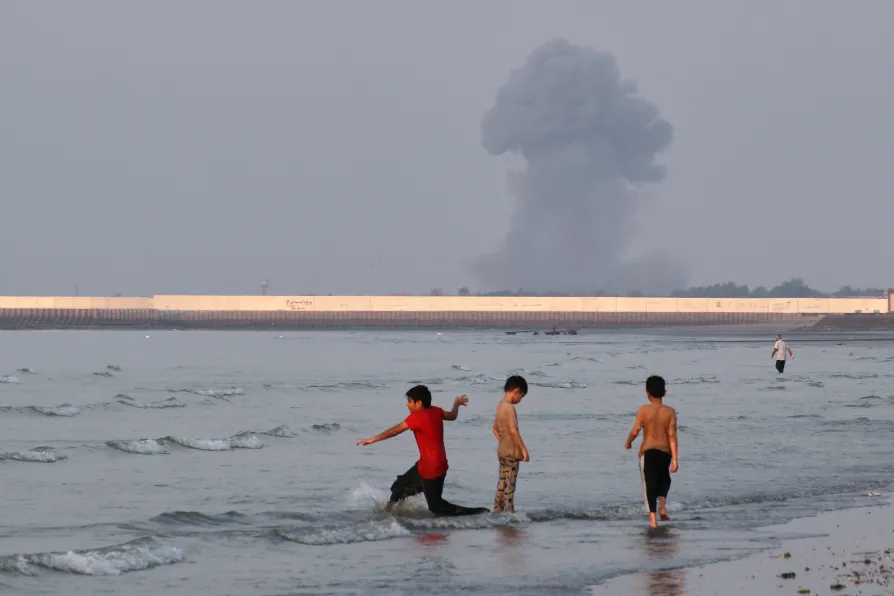
Just on Monday, Israel launched a major air strike on Iran’s South Pars energy complex, specifically targeting the petrochemical hub in Asaluyeh. This attack marks a significant escalation in the ongoing conflict, as it is the second time in less than a month that the world’s largest natural gas field has been hit.
As of April 4, the US and Israel have also bombed over 350 hospitals and health centres in Iran, including mental health hospitals. On March 31, a US-Israeli strike destroyed the Tofigh Daru medical complex, a key medical research and development hub as well as a vital supplier of raw materials, including cancer medications, to hospitals, clinics, and surgeries across Iran.
Two days later, the Pasteur Institute of Iran, an iconic part of Iran’s healthcare system and a symbol of modern medical provision in the region, was severely damaged and rendered non-operational by a US-Israeli air strike.
Infrastructure, steel and petrochemical industries, power plants, transport networks, pharmaceutical industries, schools, and people’s homes undoubtedly constitute the unique national assets of the Iranian people.
It must be stressed that the attacking of schools, universities and hospitals is pursuant to the objective of destroying a country and not the liberating of its people — again, Gaza being a case in point. The only objective of such operations is to ensure that Iran is rendered a failed state and sent back to the pre-industrial age.
Meanwhile, the repression of the Iranian people by the regime — including forced disappearances, arrests and executions — continues to worsen by the day.
Whether the US or the genocidal Israeli regime claim victory in their illegal war, or the theocratic dictatorship crows that it has in fact prevailed, the people of Iran face the prospect of a devastated dysfunctional country if the international community cannot stop the current criminal war and daily waging of atrocities against them in their tracks.
As the Committee for Defence of the Iranian People’s Rights (Codir) has consistently maintained, the only solution to the turmoil in Iran lies with the Iranian people themselves. However, the prospects for democratic change will only be made more fraught for as long as the US-Israeli bombardment continues.
It is imperative that those committed to peace and democracy in Iran follow the example of Britain’s National Education Union at its annual conference in Brighton last week and demand an end to the bombing now.
- Solidarity with the people of Iran!
- Stop the bombing!
- No to further escalation!
- End the arming and impunity of Israel!
- Towards peace, democracy, and human rights in Iran!
Codir encourages all pro-peace, labour movement and anti-imperialist forces to join its urgent campaign for peace now in Iran.
Please contact us on codir_info@btinternet.com and/or codir.executive@gmail.com.

Similar stories
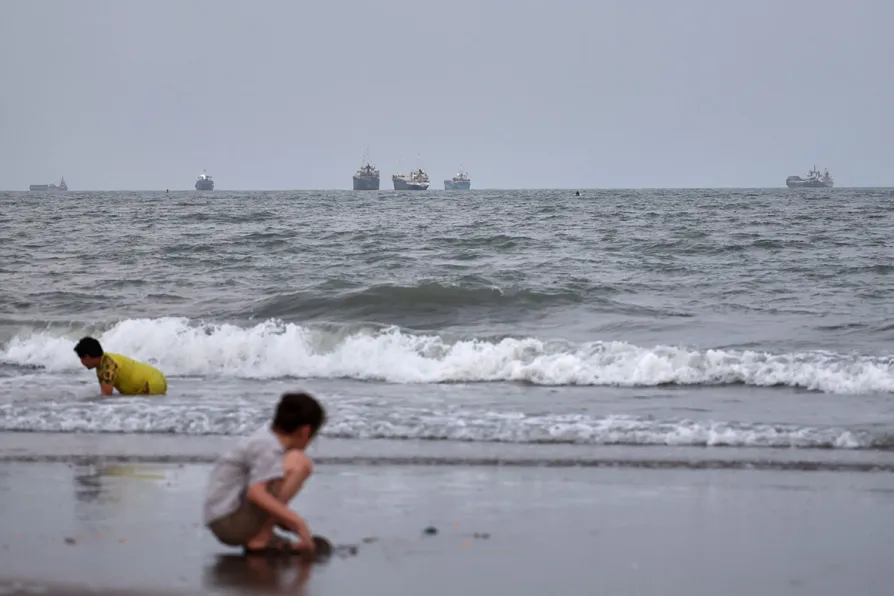
Committee for the Defence of the Iranian People’s Rights general secretary GAWAIN LITTLE discusses the impact of the US-Israeli war on the Iranian people and economy
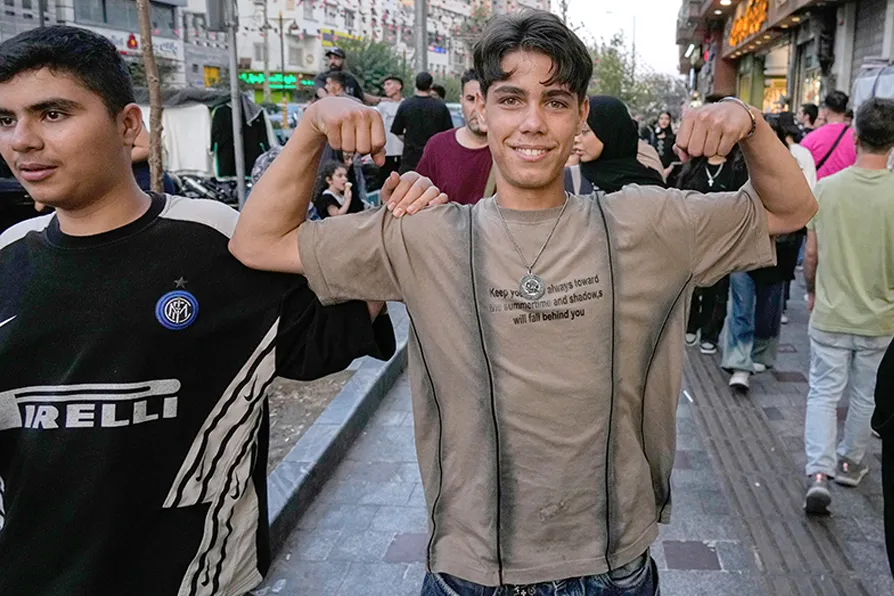
The US aim to reshape the existing order in the Middle East needs to be resolutely resisted, argues PAYAM SOLHTALAB
Behind the language of military strategy is a confrontation that risks drawing the wider Middle East into war, says STEVE BISHOP
The ceasefire may have halted the fighting for now, but years of economic warfare and recent military attacks have left millions of Iranians facing hardship and uncertainty, says Codir’s RUBEN BRETT